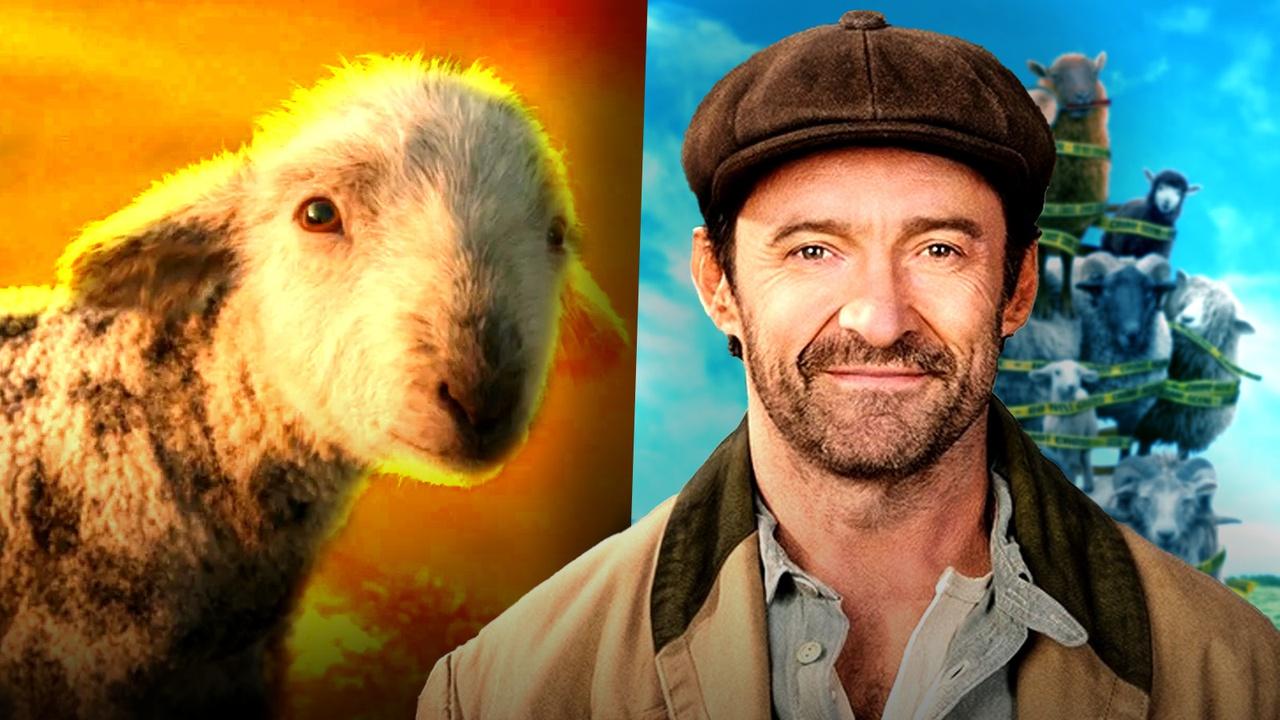
Sheep Detectives featured an outcast winter lamb among its flock of protagonists, and his inclusion carried thematic weight in the mystery-comedy movie. Amazon MGM+'s new film follows a flock of sheep from Denbrook as they investigate the sudden, tragic death of their shepherd, George Hardy.
Amid the investigation, Sheep Detectives introduced a winter lamb, a sheep who became a powerful symbol of rejection and loneliness, elevating the film through his heartbreaking portrayal.
What a Winter Lamb Is In 'Sheep Detectives' and Real Life
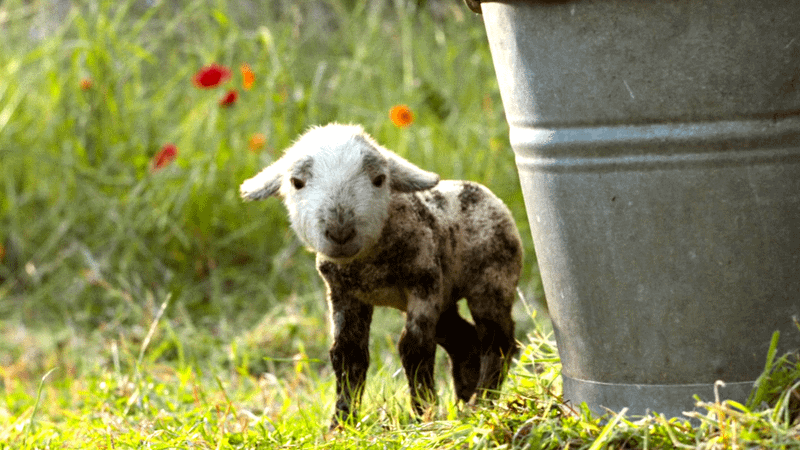
In both Sheep Detectives (now streaming on Prime Video) and in the real world, a winter lamb is a lamb born in the winter months. The winter lamb is treated as an outcast who was firmly rejected by the flock for being too different. As Sir Ritchfield pointed out early in the film, the winter lamb simply "doesn't belong in this flock," and other young sheep are even forbidden from playing with him.
A winter lamb is a lamb that was born in the colder winter months, which is outside the typical spring lambing season. For a winter lamb, this timing makes the lamb smaller, more vulnerable, and different from the spring-born flock. Sheep Detectives portrayed an accurate representation of the winter lamb's struggles, with the poor lamb being excluded from the barn and left to huddle alone under a tire swing in the rain.
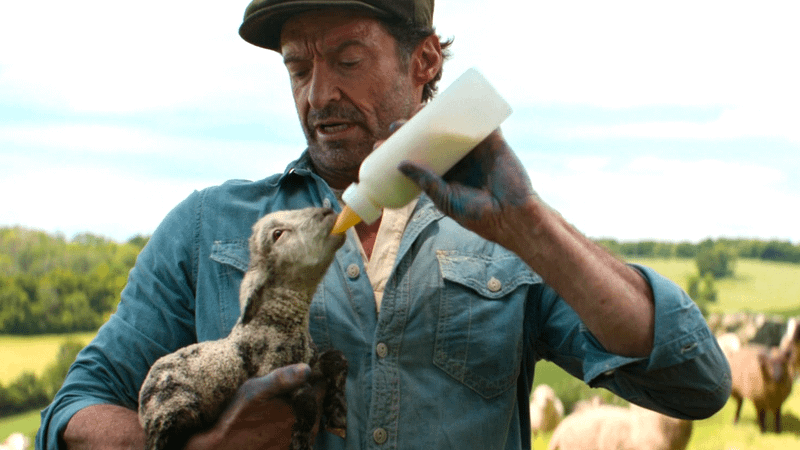
Despite being rejected by the main flock, George (played by MCU Wolverine star Hugh Jackman) still showed the winter lamb special care, bottle-feeding him, reinforcing the idea that every sheep, part of the flock or not, deserves kindness.
Aside from being tied to being born in the colder months, a winter lamb builds on from the real-life term, "bummer lamb," which refers to a lamb that has been rejected by its mother and is without a mother. There are several reasons why a winter lamb is labeled as such, and it's likely tied to weakness, multiple births, or failure to bond.
George stepping in to "save" the winter lamb by giving him adequate care is a common occurrence in real life because these lambs deserve to live as they risk starvation or being killed by predators if left unchecked. As shepherds, they provide warmth that the winter lamb's mother didn't provide, therefore creating a strong bond.
What Happens to the Winter Lamb in 'Sheep Detectives' Movie
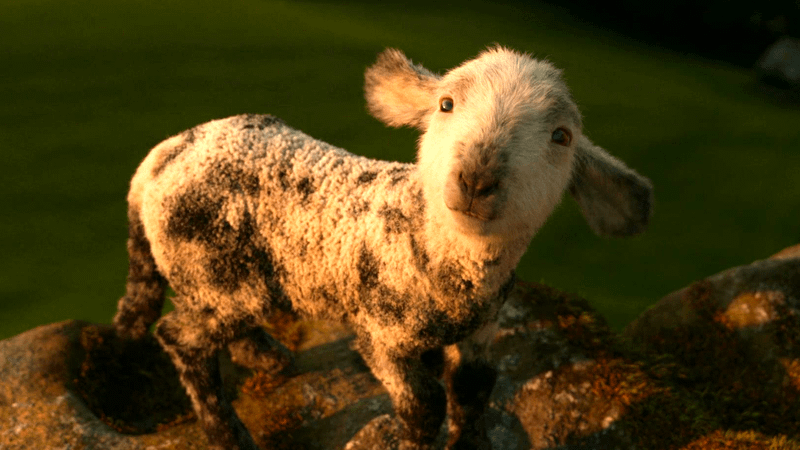
The winter lamb in Sheep Detectives is initially rejected by the rest of the herd for being born in the winter, establishing his status as a total outcast. Most of the flock (the old ones) was rude to the winter lamb, further amplifying his isolation and the flock's own prejudices. The young ones, however, still wanted to play with the winter lamb, indicating that they have not yet been influenced by the adults to reject the poor lamb.
The main sheep of the flock, Lily (voiced by MCU star Julia Louis-Dreyfus), Sebastian (Brian Cranston), and Mopple (Chris O'Dowd), spearheaded the investigation to uncover the truth about George's death. Following the shocking death of Sebastian during their mission, Lily and Mopple decided to do the unthinkable by recruiting the winter lamb for a stealth operation to help clear an innocent suspect, George's daughter Rebecca, and expose the real killer.
What made the winter lamb's role in Sheep Detectives so essential is the fact that his overlooked status as a rejected lamb made him perfect for the task, which involved sneaking into the jail to paint an important message with his hooves.
The winter lamb drew a diagram on the police station floor, mixing together blue and yellow paint to turn green, sending a game-changing clue to both Rebecca and Officer Tim about the identity of the real killer: George's estranged son, Elliot Matthews.
What made this moment so heartfelt and cathartic was that the winter lamb, the same sheep the flock had rejected, was crucial to solving the case surrounding George's death. At the end of the film, Lily decided to adopt him as a member of the flock and named him George after their late, beloved shepherd.
This act ultimately welcomed the winter lamb fully into his newfound family, underscoring an important theme that those who are rejected and pushed aside often hold the greatest worth, and true family is sometimes not built by blood; instead, it is forged through acceptance and love.