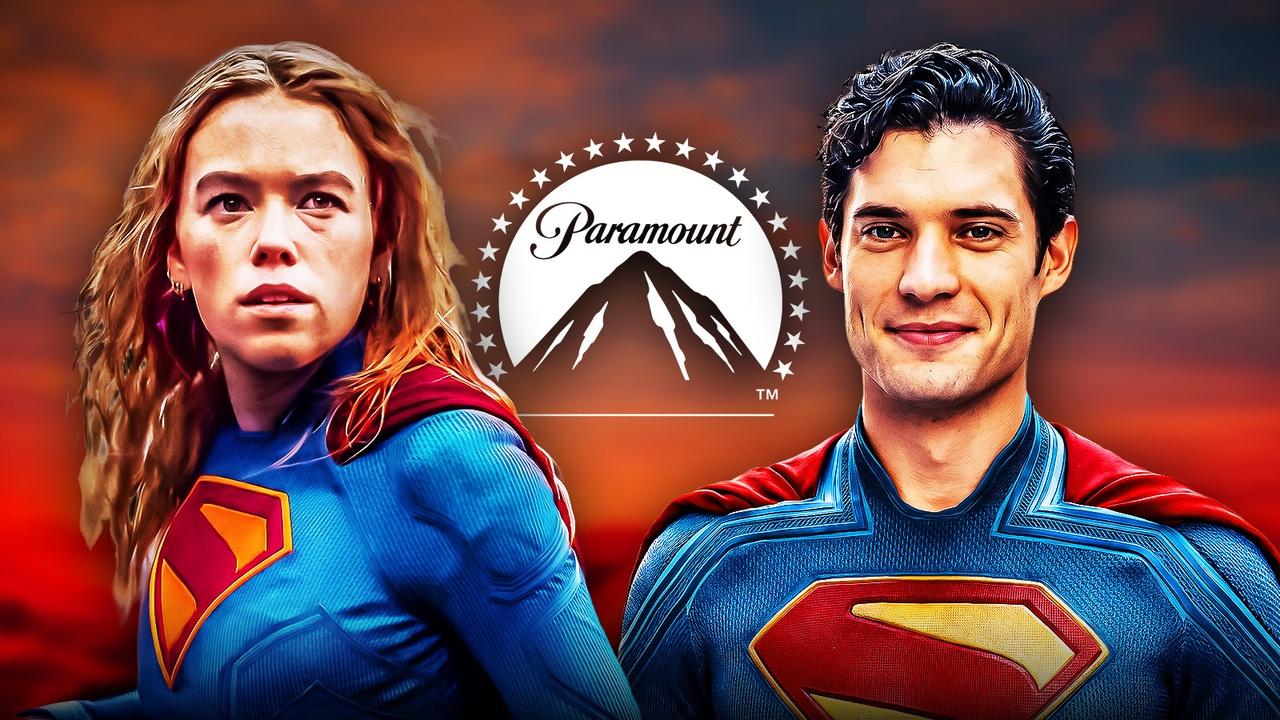
Once Paramount officially acquires Warner Bros., fans could see a very different future for the DCU than originally planned, as recent reports have indicated that Paramount could put multiple restrictions on the longtime superhero brand. In February 2026, it was announced that Warner Bros. and Paramount came to an agreement for Paramount to acquire Warner Bros. and become its parent company. As soon as the announcement was made, many fans expressed concern regarding what would happen to existing Warner properties. Although Paramount assured everyone that there was no reason to worry, it seems as though that has changed.
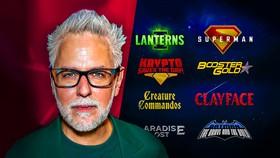
In a recent report from The Hollywood Reporter (THR), it was detailed that Paramount has some specific plans for existing Warner Bros. properties, specifically when it comes to deals that Warner Bros. IPs can make with third parties. These issues could affect Warner's most popular franchises and production companies, including DC Studios, which is behind James Gunn's new DCU.
According to THR, Paramount is placing restrictions on what is being considered key property under Warner Bros.' banner. These restrictions weren't specifically detailed, but it was reported that they included new deals regarding TV shows and films, as well as licensing agreements with third parties.
DC Studios and, by nature, the DCU, would undoubtedly be considered key property for Warner Bros., as the Gunn-led company is one of the most important assets Warner Bros. has. It is one piece that Warner Bros. is willing to shell out a lot of money for, and a property that the company demands high returns from.
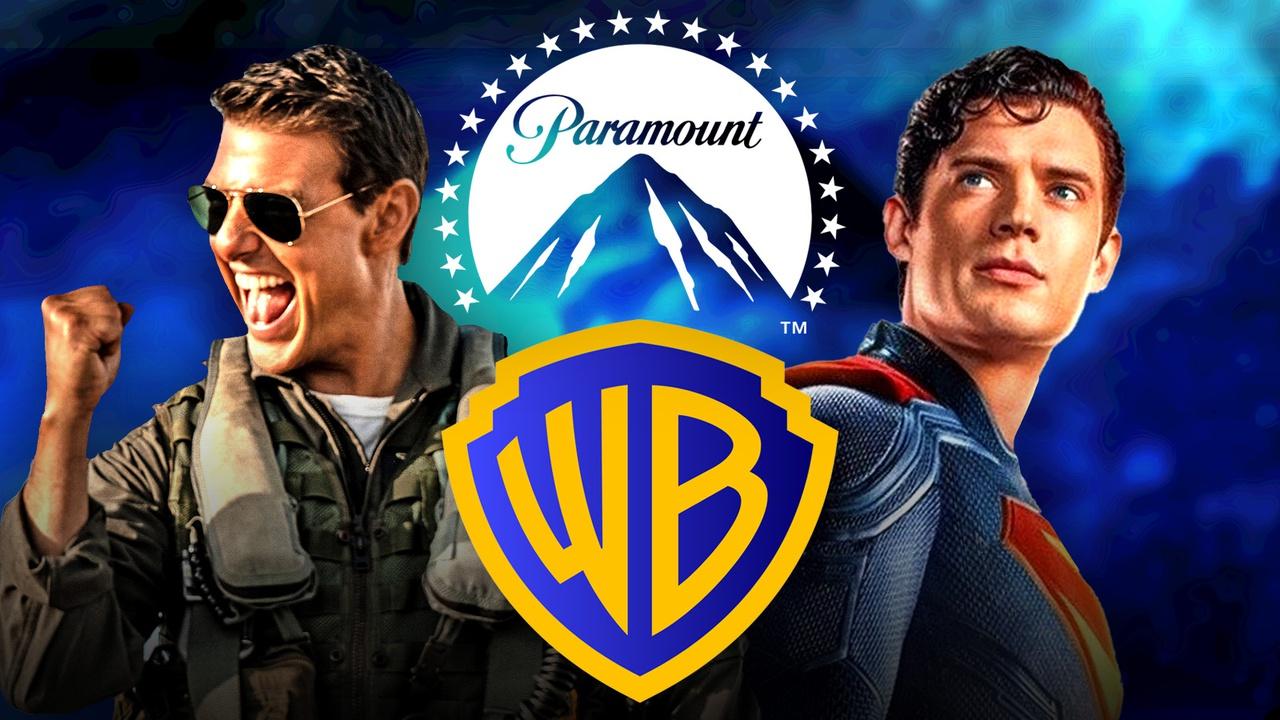
Notably, the THR report didn't specify what the deals would entail. It is impossible to know until Paramount makes a specific decision and the merger goes through (as it is not yet officially complete), but these deals would likely affect key aspects of DC Studios and the other key properties, especially in the future.
For example, the new deals that the report mentioned are likely referencing new movies and TV series getting greenlit by the studio. If Paramount owns Warner Bros., Paramount would have the final say on if a Warner Bros. production could go into development. Therefore, it is possible that the merger could make it tougher for future DC Studios projects to be announced, and even harder for them to actually go into production.
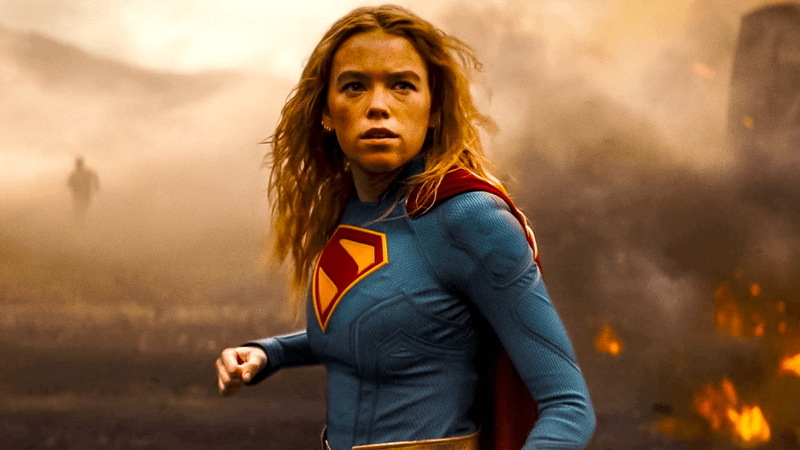
It is especially worrying considering the recent box office failure of Supergirl. Paramount will most likely have a shorter leash on the DCU than Warner Bros., so if the DCU releases multiple projects that don't perform well financially, it could spell major trouble for the franchise and for DC projects as a whole.
Something else that could be affected by these restrictions is third-party licensing deals. Essentially, Paramount's acquisition of Warner Bros. (due to these clauses in the merger agreement) could make it extremely difficult, or even impossible, for any company that isn't under the Paramount umbrella to develop anything from one of Warner's key properties.
A good example of this is the Hogwarts Legacy video game. The game developers of that title are not owned by Warner Bros., but are allowed to create and work on the game through a third-party licensing agreement. Essentially, Warner Bros. allows them to develop and continually work on the game, but Warner Bros. still profits from it.
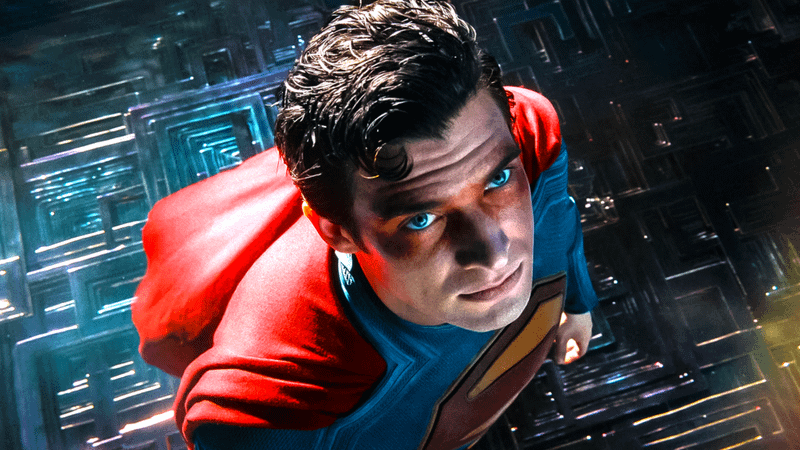
In the future, it is possible that Paramount will not let Warner Bros. license any of its properties to any third parties, or at least will be extremely restrictive with what can go to third parties. This could mean that fans could receive less content in the form of video games or other media.
These restrictions from Paramount could also affect talent deals, potentially in a major way. For example, Paramount could put a hold on first-look deals with talent (writers, directors, actors, etc.), which could cause Warner and Paramount to lose out on potential projects.
The easiest way to describe what a first-look deal is would be to give an example. Say a director has an idea for a film, and they go to Warner Bros. as a potential partner/buyer of that idea. Warner Bros. could offer that director a first-look deal, where Warner gets a period of time to exclusively decide if they want to move forward with the project. In that case, Warner would pay the director a sum of money and come to an agreement that the director can't shop the project to any other studio.
Warner would then either tell the director it wants to move forward with the project and greenlight it or reject it. In that case, the director would then be free to show other companies their project. However, the important part to keep in mind is that the director, while under the first-look agreement, is not legally allowed to pitch the project to a different studio.
These restrictions in Paramount's merger agreement could affect Warner's ability to make first-look deals with different talent. Paramount may not want to pay millions of dollars in order for Warner to have a first-look agreement, which could cause Warner to miss out on major movies or TV shows.
It is also possible that another deal that could be affected by these restrictions is theme park licensing. Theme parks are some of the most lucrative businesses in the world, and can be one of the safest ways for companies to get their IPs exposure.
Notably, neither Paramount nor Warner Bros. owns a theme park in the United States, so if any Paramount or Warner Bros. properties were to be put in a theme park, the companies would have to come to a licensing agreement with whatever theme park they wanted their IPs to be represented in.
That being said, it is possible that Paramount could put restrictions on Warner Bros., making it harder for Warner to license its properties to theme parks. This could obviously mean that any characters/IPs under Warner Bros.' banner would be less likely to show up in parks in the future.
However, it could even potentially affect the agreements that Warner already has with certain parks. For example, there are DC attractions and characters in multiple Six Flags amusement parks. This is due to a licensing agreement that was made between Six Flags and Time Warner years ago, and the DC attractions remain some of the most popular in the Six Flags parks.
If Paramount were to put restrictions on theme park licensing from Warner Bros., in the worst-case scenario, it could lead to Six Flags being forced to remove its DC attractions and characters from the parks.
How Can the DCU Survive?
Luckily, DC has been around for decades and is one of the most popular IPs in the world. That makes it a bit tougher for Paramount to completely pull the plug on it, but if Paramount truly felt as though keeping DC alive (especially the DCU) was not worth the investment, it could absolutely shut it down.
It may seem simple, but DC Studios needs to put a lot of focus on getting fans to theaters when a new film is released. Unfortunately, Supergirl was one of the biggest box office failures in recent memory, which only puts more pressure on future projects like Clayface and Man of Tomorrow.
A lot of fans want to see different stories, especially since the DCEU tried to make movies around the brand's most popular characters, and many of them failed. However, Marvel and Sony just proved with Spider-Man: Brand New Day that even popular superheroes who have been in tons of movies in the modern era can still be successful.
It may be better for DC to solely focus on its heavy hitters, such as Superman, Batman, Wonder Woman, the Flash, etc., instead of creating movies around characters who aren't as popular with general audiences, like Supergirl and Clayface.
DC Studios also needs to do everything it can to drive new subscribers to the HBO Max platform with its television releases. Lanterns is set to be released in just over a week, as of writing, so it will be interesting to see exactly what the streaming numbers look like for that show, as well as if it is giving HBO Max any new subscribers.
Fans want DC to be successful. Unfortunately, it seems as though DC Studios has an uphill battle in front of it, with Paramount standing atop the hill and staring it in the face.