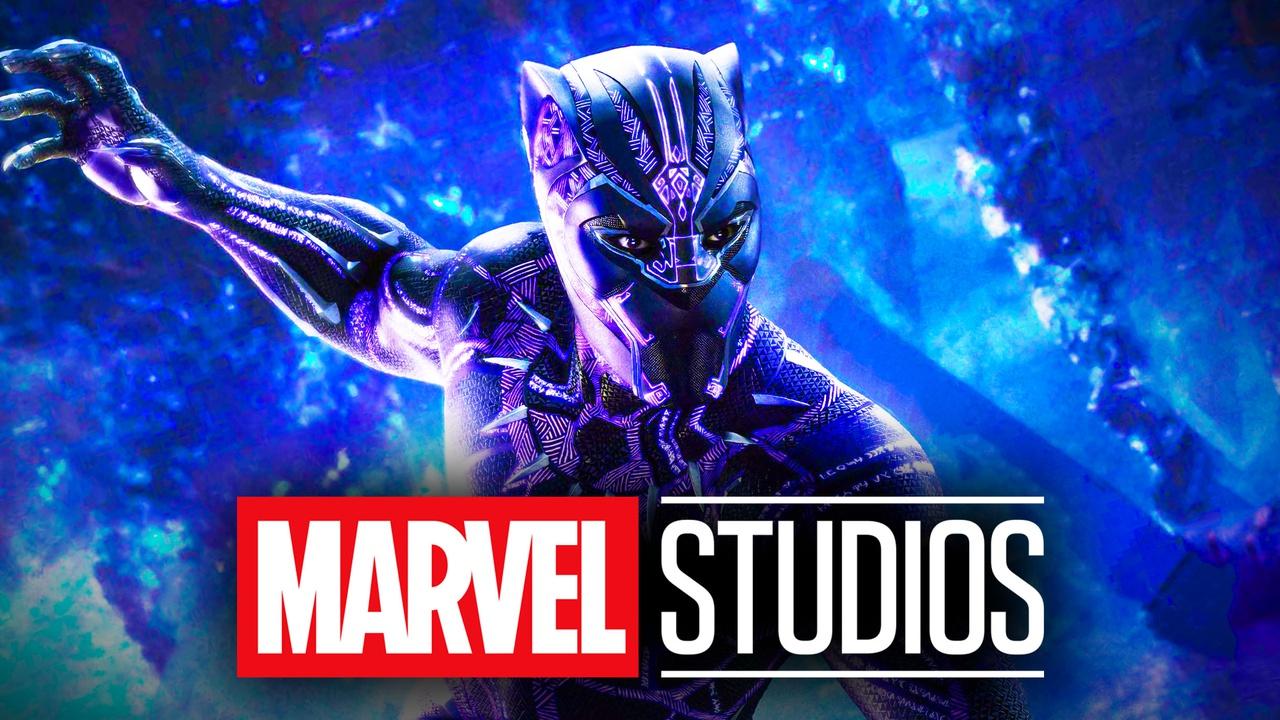
Marvel Studios will make MCU history with the way it films Black Panther 3, the third chapter in Ryan Coogler’s Wakanda saga. The studio officially announced the movie during its Hall H panel at San Diego Comic-Con on Saturday, July 25, where Coogler confirmed his return as director and a theatrical release date of December 15, 2028. One production detail he shared on stage separates the threequel from every MCU project before it.
Coogler announced that Black Panther 3 will be shot entirely on large-format celluloid film, something no Marvel Studios movie has ever done. Digital cameras have captured MCU movies for well over a decade, and the change means Wakanda’s next chapter will look unlike anything the franchise has released before. 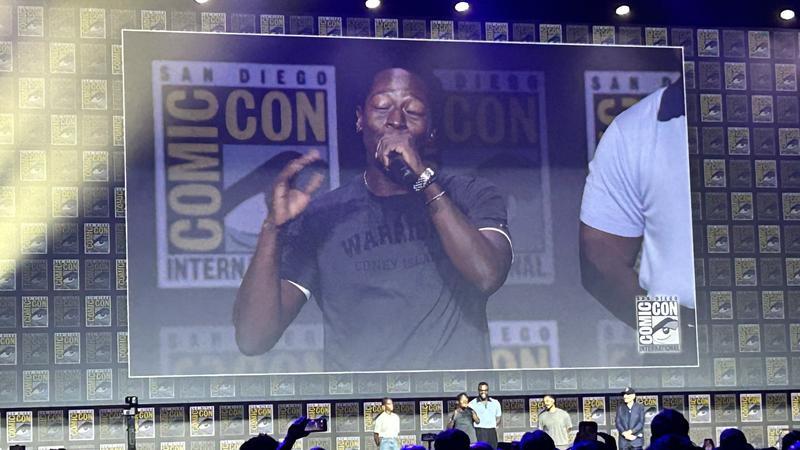
Large-format film exposes a much bigger negative than standard 35mm, producing a sharper and more detailed picture along with the texture that directors like Christopher Nolan have long championed. The Wakanda threequel will shoot on 70mm, the same family of formats behind Oppenheimer and Coogler’s own Sinners.
Marvel Studios President Kevin Feige told the Associated Press the decision is "really exciting" and described Coogler as "a great film professor:"
"It’s really exciting. Ryan [Coogler] is a great film professor on top of everything else, and I love that he has taught people to appreciate and to know. And even my kids were saying, ‘Are we seeing this movie in 70mm or 35mm? What’s the aspect ratio?’ I love that."
Coogler arrives at the project fresh off Sinners, which he captured on two large-format film systems at once, Ultra Panavision 70 and IMAX 65mm, a pairing no movie had attempted before. The vampire hit grossed $370 million worldwide and won him the Academy Award for Best Original Screenplay in March. His Sinners cinematographer, Autumn Durald Arkapaw, previously shot Black Panther: Wakanda Forever, though Marvel has not confirmed who will photograph the new movie.
Celluloid is not entirely foreign to the MCU. Marvel captured its earliest movies, including Iron Man, on standard 35mm before moving to an all-digital pipeline in the early 2010s. The studio even made large-format history once before, when Avengers: Infinity War became the first Hollywood feature shot entirely with IMAX cameras, though those were digital units developed with ARRI rather than film cameras.
David Jonsson, known for Alien: Romulus and the HBO drama Industry, will star as the new Black Panther, a grown version of T’Challa’s son. The character first appeared as a child in the final scene of Black Panther: Wakanda Forever, born to Chadwick Boseman’s T’Challa and Lupita Nyong’o’s Nakia. Coogler told the Hall H crowd that the young royal "grows up" and "comes of age" in the new story.
Will More MCU Movies Shoot on Large-Format Film?
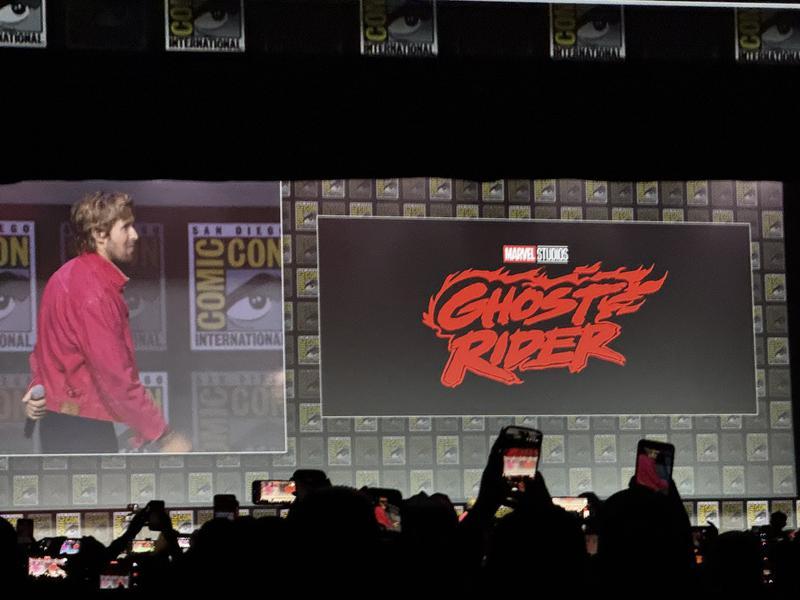
Shooting on large-format film is becoming commercially lucrative, so it won’t be surprising to see Marvel use this format more. Oppenheimer, shot largely on IMAX 65mm film, earned just under $1 billion worldwide. Sinners turned its handful of 70mm IMAX screens into sold-out events while Nolan’s The Odyssey, the first movie shot entirely with IMAX film cameras, saw some premium showings sell out a full year in advance. Audiences now view the format itself as an event, and Marvel might be tempted to use it with other MCU films.
A wholesale shift to this format, though, is still unlikely. Only a small number of IMAX film cameras exist worldwide, and shooting on celluloid adds stock and lab costs that digital avoids. Marvel’s effects-heavy productions also depend on the speed and flexibility of digital workflows, especially during reshoots. Film will likely remain a director-driven choice at the studio, granted to filmmakers with the pull and technical fluency Coogler has earned.
Some upcoming projects suit the format better than others. Ghost Rider, announced at the same panel, with Ryan Gosling starring and Shawn Levy directing, seems like a great candidate. A supernatural story told on large-format celluloid film would look amazing in theaters. Jake Schreier’s X-Men reboot could also benefit, since a bold photographic identity would help separate the new mutants from two decades of Fox movies.


Geraldo Amartey is a writer at The Direct. He joined the team in 2025, bringing with him four years of experience covering entertainment news, pop culture, and fan-favorite franchises for sites like YEN, Briefly and Tuko.