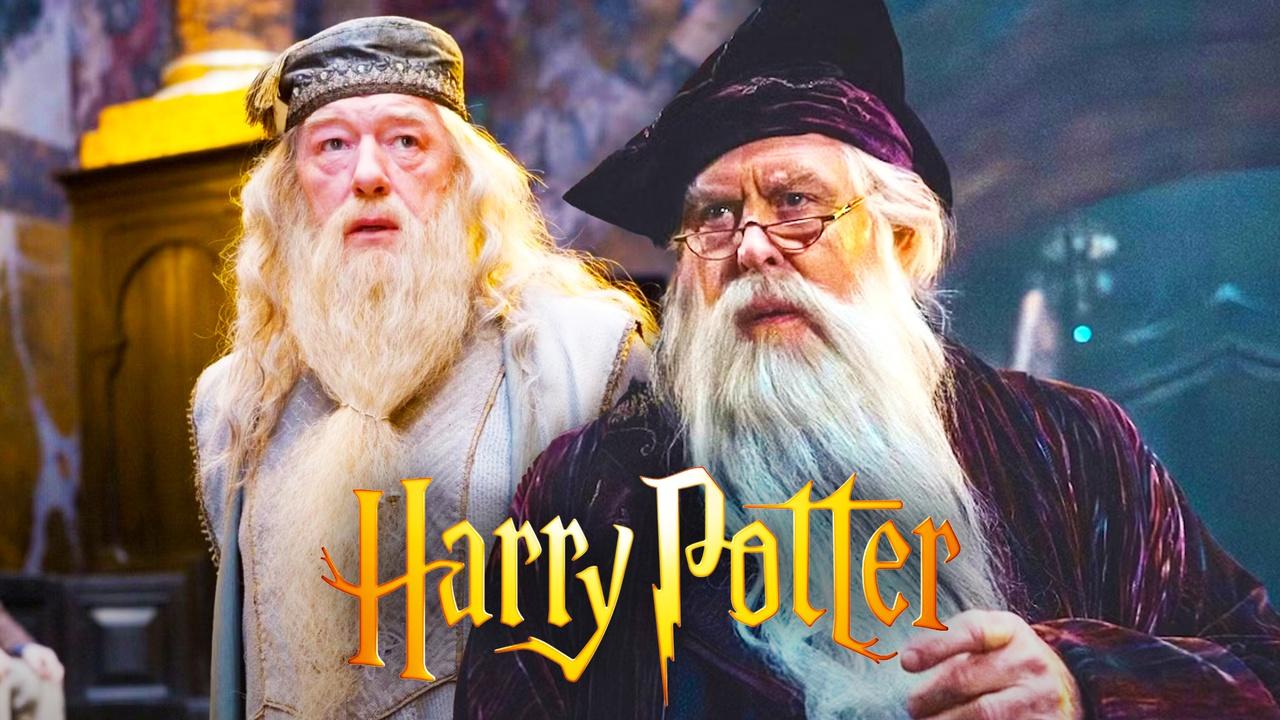
HBO's Harry Potter trailer hinted that Albus Dumbledore may have been testing the Boy Who Lived and his Hogwarts friends longer than anyone thought. HBO is officially expanding Harry Potter with new scenes that weren't in the books or movies, offering original flashbacks, moments with other students and Hogwarts professors, and hopefully fresh revelations about the franchise's lore. Of course, the show is largely staying loyal to the books, adding in the moments that the movies cut due to runtime restrictions. That will come in handy for Harry Potter's later, much longer books, which cut a lot for the big screen, but for the early tales, it offers hours of extra wiggle room for new content.
One original addition to Harry Potter and the Philosopher's Stone featured in the latest trailer for the HBO show, with a new conversation between Janet McTeer's Minerva McGonagall and John Lithgow's Albus Dumbledore. The cryptic dialogue teases that HBO may confirm a 29-year-old fan theory that changes everything about the conclusion of Harry Potter and the Philosopher's Stone.
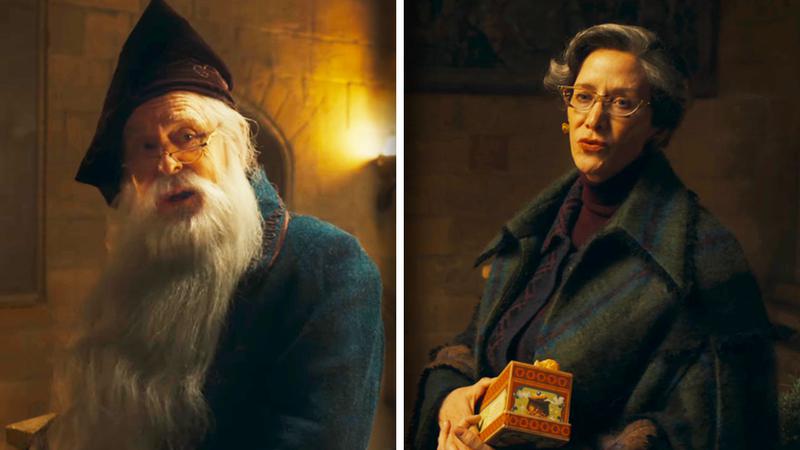
Interestingly, Dumbledore tells McGonagall, "We can't protect them. We can only prepare them," to which she questions, "For what?" It won't become clear what that conversation is truly about until Harry Potter gets underway on HBO, beginning its eight-episode Season 1 on Christmas Day, but the prevailing theory hints at Dumbledore preparing the Golden Trio for Voldemort's return.
Throughout Harry Potter and the Philosopher's Stone, the Boy Who Lived and his friends uncover the mystery of the powerful artifact that can create the Elixir of Life and, with it, immortality. The stone was, of course, created by Nicolas Flamel, who, unlike the movies, will actually appear in the HBO show.
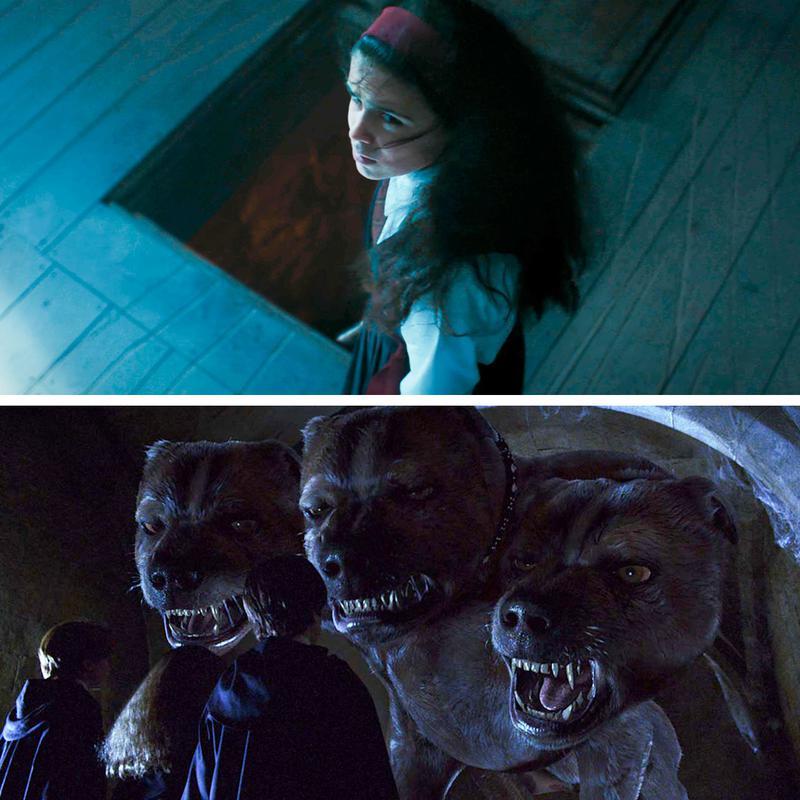
There has long been a theory that all the puzzles and challenges hidden beneath Fluffy and the trapdoor guarding the Philosopher's Stone were intended to test the Golden Trio, as they align closely with their skills. Dumbledore's secret planning to "prepare" the students for what's to come may suggest that HBO will finally confirm the theory, which dates back to the book's 1997 release, 29 years ago.
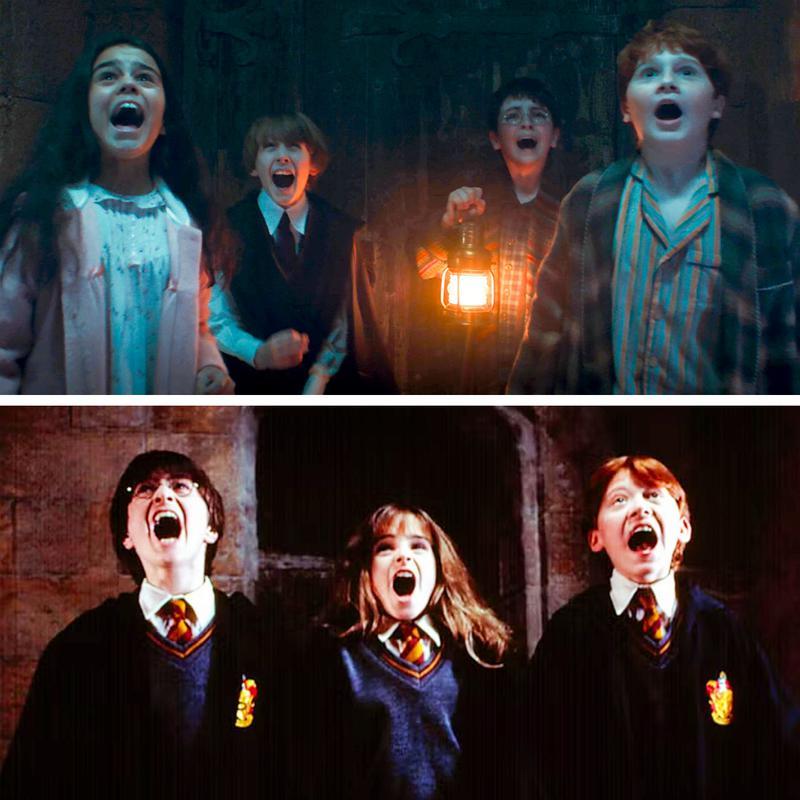
HBO's reinvention of Harry Potter already fixed one problem from the movies, as, much like the books, Rory Wilmot's Neville Longbottom now accompanies the Golden Trio when they find the three-headed dog, Fluffy. He tagged along with Hermione to find Harry and Ron, who had gone to duel Draco Malfoy in the night, after forgetting the password and being locked out of the Gryffindor common room.
It's no secret that Dumbledore manipulates Harry on the necessary path for years, most notably once he realizes that the Boy Who Lived had absorbed part of Voldemort's soul to become a Horcrux, effectively keeping the Dark Lord alive. Severus Snape describes that revelation in The Deathly Hallows, noting how Dumbledore had been "raising him like a pig for slaughter."
HBO has an opportunity to foreshadow and tease Dumbledore's manipulation of Harry's life far earlier than in the books or movies. After all, when The Philosopher's Stone hit theaters in 2004, only the first four books were published, and J.K. Rowling wouldn't conjure up the saga's ending for six more years.
Earlier in the trailer, McGonagall tells Harry, "I expect you to work hard, find what sparks your interest, and make solid friendships." One has to wonder if McGonagall (and by extension Dumbledore) weren't just eager for Harry to hone his own magical talents, but also to form close friendships with others who will one day help him in the fight when Voldemort returns.
The intriguing theory posits that Dumbledore set trials and tests not just for Harry, Ron, and Hermione, but also for Neville. Not only was Neville there when the Golden Trio found Fluffy, but he was also equally a candidate for the Chosen One prophecy alongside Harry, as they were both born at the end of July to prominent aurors who had thrice defied Voldemort, as the crucial prophecy had foretold.
Fans have always known that the magical obstacles protecting the Philosopher's Stone were each set by a different Hogwarts professor based on their specialty, from Sprout's Herbology to Snape's Potions. However, that's not to say that Dumbledore didn't ask specific questions to relate them to the key heroes.
The Case for Dumbledore Testing the Golden Trio in Harry Potter and the Philosopher's Stone
The Devil's Snare
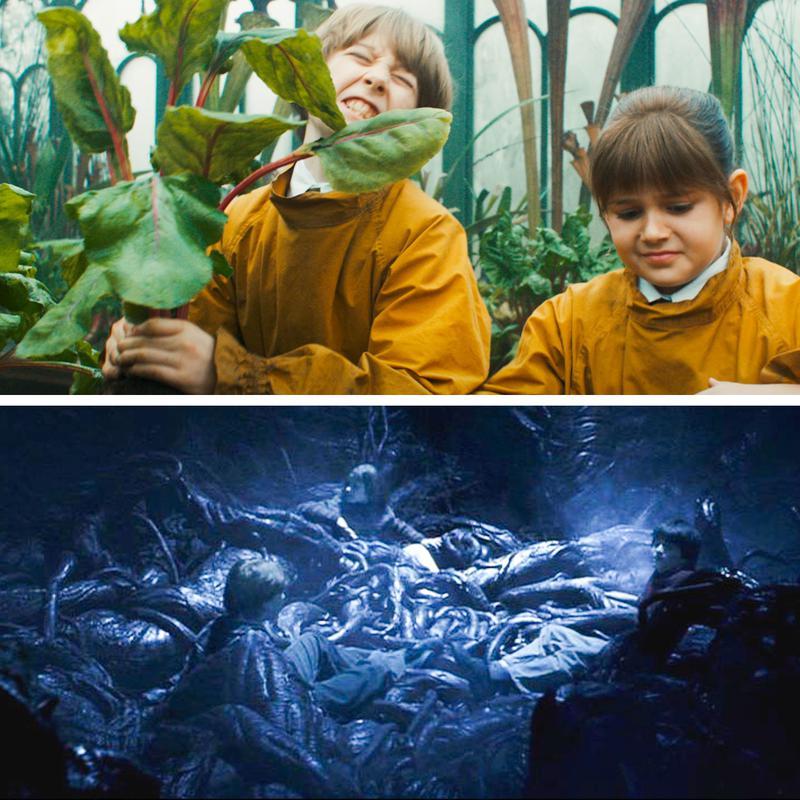
After descending through the trap door, the first obstacle toward the stone is Devil's Snare, a plant that gradually strangles anything in its clutches; it can only be escaped by relaxing and remaining still, or with sunlight.
The fact that Neville was with the Golden Trio when they discovered Fluffy may explain why the Philosopher's Stone's first test was the Devil's Snare. Neville may not be Hogwarts' brightest student, but he excels in Herbology, even becoming the school's plant-based professor after the franchise concludes, taking over for Pomona Sprout, who actually set the Devil's Snare trap.
It makes sense that Dumbledore expected the Golden Trio to become a Golden Quartet instead and set a test for Neville, who likely would've recalled Devil's Snare's characteristics. Ultimately, Hermione gets the trio out of this pickle; in the movie, she recalls the rhyme, "Devil's Snare, Devil's Snare... It's deadly fun, but will sulk in the sun," before casting Lumos Solem to emit a bright sun-like light.
The Flying Keys
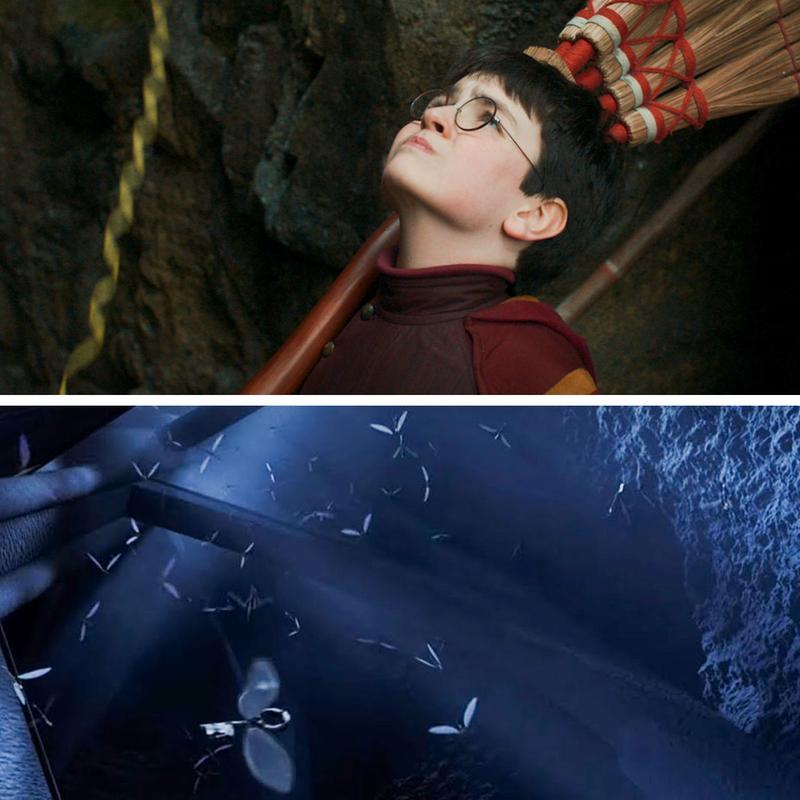
Dominic McLaughlin's Harry Potter says himself in the HBO series' latest trailer that "everyone thinks I'm this great wizard, but I don't really know anything." That may be true, as Harry doesn't master many spells in The Philosopher's Stone, but one area where he exhibits exceptional promise is Quidditch.
Right from his first flying lesson, Harry followed his father's footsteps by showing off exceptional flying ability before becoming Hogwarts' youngest seeker in a century. That prepares Harry perfectly for Professor Flitwick's enchanted keys, in which he must board a broom and catch the right key to progress, once again making the obstacle feel tailor-made for his seeking talents.
The Chess Game
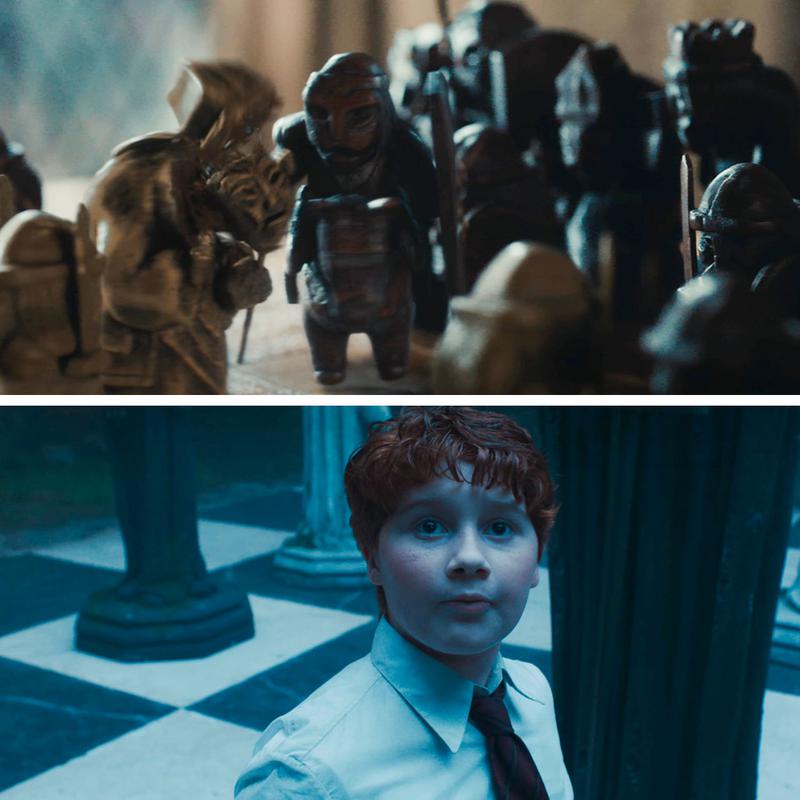
Much like Neville, although perhaps not to the same extent, Ron Weasley doesn't exactly prove to be the brainiest during his time at Hogwarts. However, throughout Harry Potter and the Philosopher's Stone, Ron reveals his talent at Wizard's Chess, a magical variant of the Muggle game.
Ron's experience playing Wizard's Chess with the large Weasley family and natural acumen for the game come in handy when our heroes uncover a giant board that must be won with Checkmate to progress. The coincidence is one of the strongest signs that these trials were placed intentionally for the Golden Trio.
The Second Troll
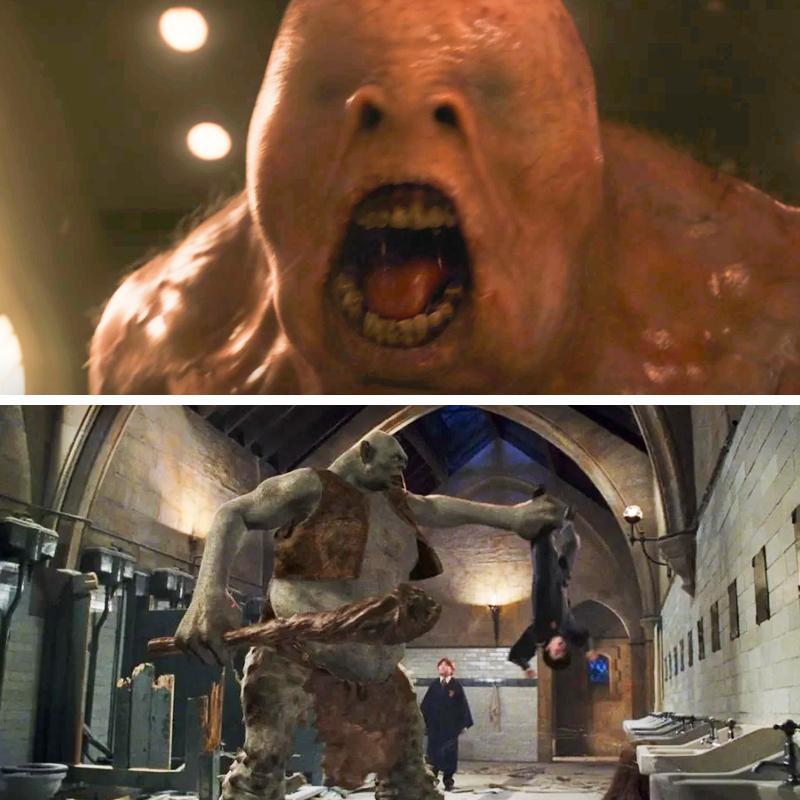
Of course, Harry, Ron, and Hermione famously defeat a mountain troll in the girls' bathroom on Halloween, but, in one of the books' many moments that never made it to the big screen, they encounter another in pursuit of the Philosopher's Stone.
After Ron was knocked out in the chess game, Harry and Hermione progress to find "a troll even larger than the one they had tackled," except it was already "out cold with a bloody lump on its head." Fans have assumed that the troll was placed by Quirrell and later defeated by him during his pursuit of the stone.
However, the troll could also have been part of Dumbledore and McGonagall's larger plan to test and prepare the Golden Trio, not only placing them head-to-head with a bigger creature than before, but also a way to discover whether their last victory was dumb luck or proof of their impressive capabilities.
The Potions Puzzle
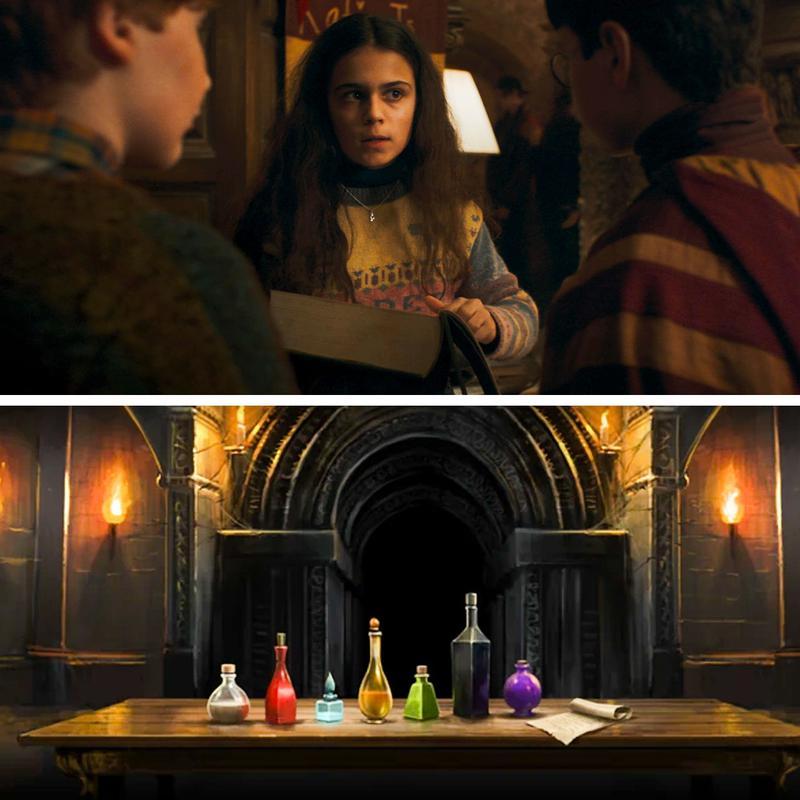
Finally, before Harry reunites with the Mirror of Erised and faces off with Quirrell, he and Hermione endure Snape's challenge: a potions-based riddle with seven drinks and only one bottle that will allow them to progress. Even Hermione says upon reading the challenge, "This isn't magic - it's logic - a puzzle," before she points out that "a lot of the greatest wizards haven't got an ounce of logic."
Fortunately, Hermione isn't one of those, as she consistently exhibits logical thinking and intellect in all subjects, including Potions, throughout the book. In turn, that makes a potentially deadly riddle (as some bottles hold poison) the perfect match for Hermione's brain and a test of how it holds up under pressure.
The Mirror of Erised
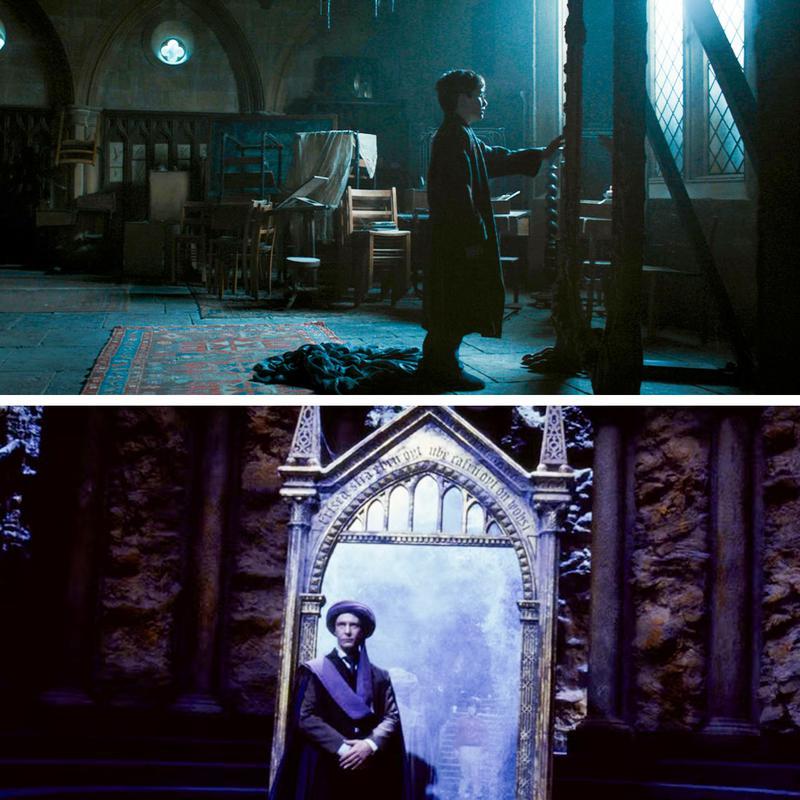
When the Philosopher's Stone's last obstacle, Professor Quirrell (with Voldemort himself secretly on the back of his head) has already reached it. While Voldemort hopes to use the Stone to return fully to life, he and Quirrell are stumped by Dumbledore's final, familiar hurdle: the Mirror of Erised.
HBO already cast an older Ron for an important Mirror of Erised scene earlier in the story, as it shows him and Harry's deepest desires. That very same magic is crucial in protecting the Stone by ensuring only somebody deserving can get it, something that Harry succeeds in before going toe-to-toe with Quirrell/Voldemort.
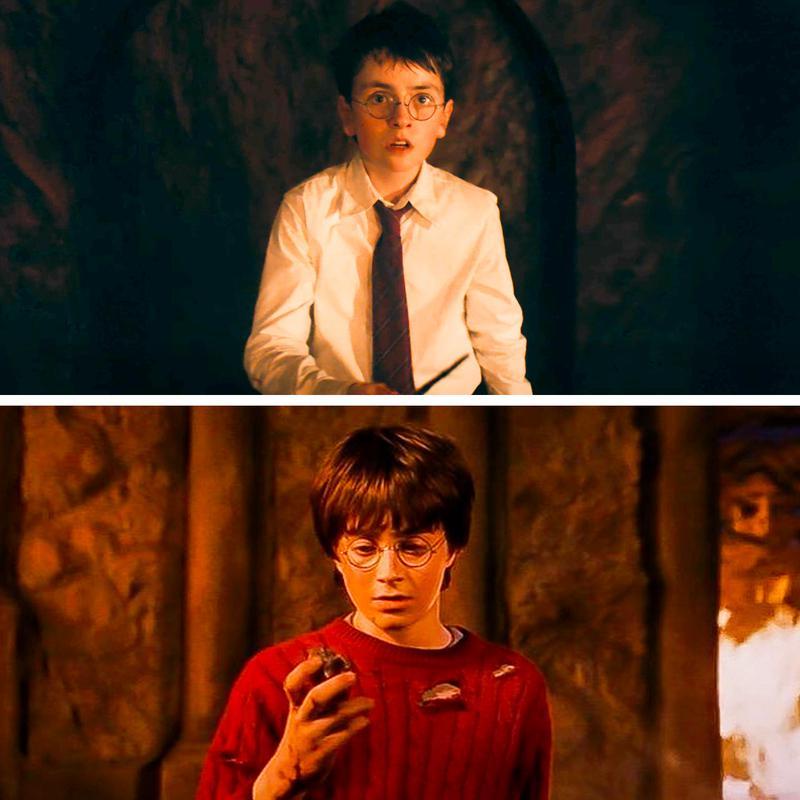
Dumbledore explains that "only one who wanted to find the Stone - find it, but not use it - would be able to get it." Even the Hogwarts headmaster declares that the caveat was "one of my more brilliant ideas," which raises the question of why all the other safeguards were necessary if the Mirror of Erised was enough to prevent Voldemort or any other ill-intentioned villains from obtaining the Stone.
Granted, it's tough to imagine that Dumbledore was betting on Harry and his friends having to fight Voldemort quite this early in his plans to "prepare them." The whimsical wizard was more likely expecting curiosity, and their Snape suspicions would send them into his elaborate underground trials.
Taken together, the Stones' various obstacles test Harry Potter's young heroes in intellect, problem-solving, bravery, and even innate goodness. Harry Potter and the Deathly Hallows will one day bring the revelation to HBO that Dumbledore was preparing Harry for his fate of facing Voldemort and saving the Wizarding World all along, and The Philosopher's Stone may set that up from early on.