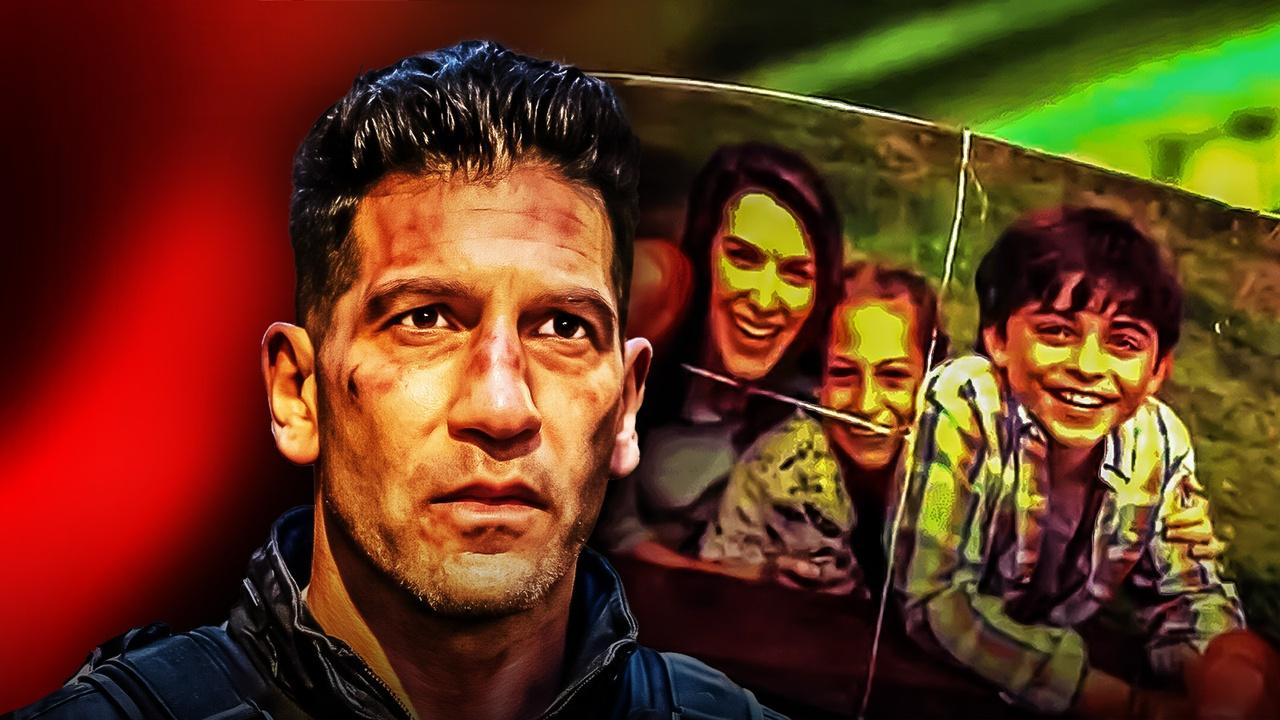
Frank Castle's (Jon Bernthal) transformation into the Punisher was mainly triggered by the brutal murder of his wife, Maria, and their two children, an event that still torments him to this day. The Punisher: One Last Kill is set to explore more of Castle's psyche as he searches for meaning and purpose beyond being the Punisher.
Part of his journey in the upcoming Special Presentation is his continued grappling with grief over his family's death, with him seeing hallucinations of his wife, daughter (Lisa Castle), and son while trying to find something new to fight for after escaping Mayor Wilson Fisk's prison and the clutches of the Anti-Vigilante Task Force (AVTF).
What Happened to Frank Castle's Daughter, Son & Wife Before 'The Punisher: One Last Kill'
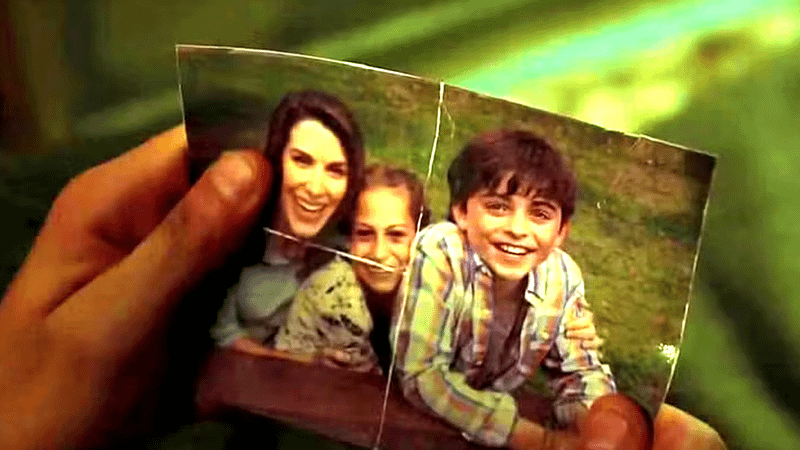
Netflix's Daredevil Season 2 revealed that Frank Castle's family was killed in the Massacre at Central Park after they were caught in a crossfire due to a gang war.
The family (Maria Castle and their two children, Lisa and Frank Jr.) was at the Central Park carousel for a picnic as part of a family tradition after Frank returned from his military tours.
They were caught in the crossfire of a shootout involving rival criminal gangs, namely the Dogs of Hell, Kitchen Irish, and the Mexican Cartel. Maria, Lisa, and Frank Jr. died instantly, while Frank was shot in the head but survived (though he suffered from memory loss about the exact events that took place).
This tragedy was the main reason he became the Punisher, leading him to hunt down all the gangs involved in that tragic night.
This was how it was initially presented in Daredevil Season 2, with Frank believing that it was a random gang-related incident and his family was in the wrong place at the wrong time.
Frank Castle's Family Died Due To A Military Cover-Up That Still Haunts Him In 'The Punisher: One Last Kill'
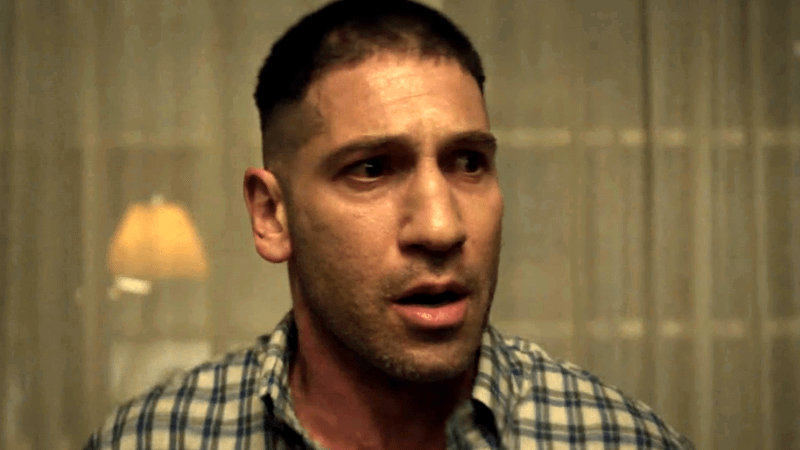
Netflix's The Punisher Season 1 eventually revealed the shocking truth behind the death of Frank Castle's family. As it turned out, the massacre was orchestrated as a targeted hit on Frank, set up by his former superiors, William Rawlins and Colonel Ray Schnoover.
The pair believed Frank had leaked sensitive information about their illegal Operation Cerberus (a heroin trafficking plot) from his time as a member of the Marine special ops unit.
They arranged a fake deal between the gangs as cover, and their main goal was to assassinate Frank and ensure that it looked like collateral damage in the pretend gang war. Frank's friend, Billy Russo (aka Jigsaw), knew about this betrayal but chose not to warn him.
Over the course of The Punisher Season 1, Frank learned the truth, and he eventually found out the devastating revelation that his family was a mere collateral in the attempt on his life.
The death of Frank's family continued to define and torment him in The Punisher: One Last Kill, as evidenced by the vivid hallucinations and ghostly flashbacks of his wife and children (mostly Lisa Castle) seen throughout the Special Presentation.
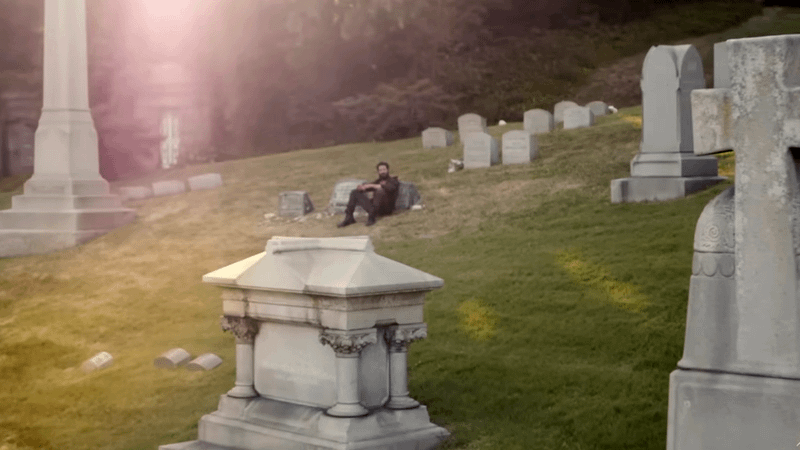
The Special Presentation included scenes of Frank visiting his family's graves, and these quiet moments cemented that he is at a point in his life where he is reflecting on everything he lost, with the weight of their absence still crushing him.
The persistent hallucinations in The Punisher: One Last Kill made it clear that Frank's grief remains unrelenting. The loss of Maria, Lisa, and Frank Jr. left him directionless, consumed by guilt, and irreparably damaged.
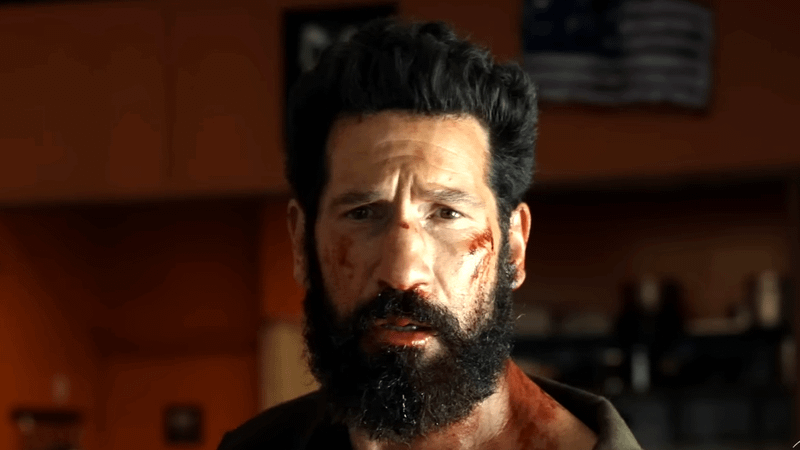
At one point in the Special Presentation, Frank contemplated killing himself, but the hallucination of his daughter, Lisa, prevented him from doing so. In that fragile moment, her presence revealed a final ember of sanity: a quiet, stubborn will to live and to preserve his family's legacy.
Another scene that completely reinvented Frank was his decision to save an innocent family rather than pursue Ma Gnucci.
Frank was haunted by the echo of his daughter’s desperate cry, a piercing reminder of everything he had lost that night. That pain forged a solemn vow inside him: no one else would have to endure what he had suffered. So he chose to save them instead.
All in all, One Last Kill positioned Frank as a man still fundamentally broken by the Central Park massacre. The death of his family wasn't just part of his backstory; instead, it was the emotional engine that made him return to his brutal ways, yet completely changed him from a revenge-seeking vigilante to a true anti-hero.