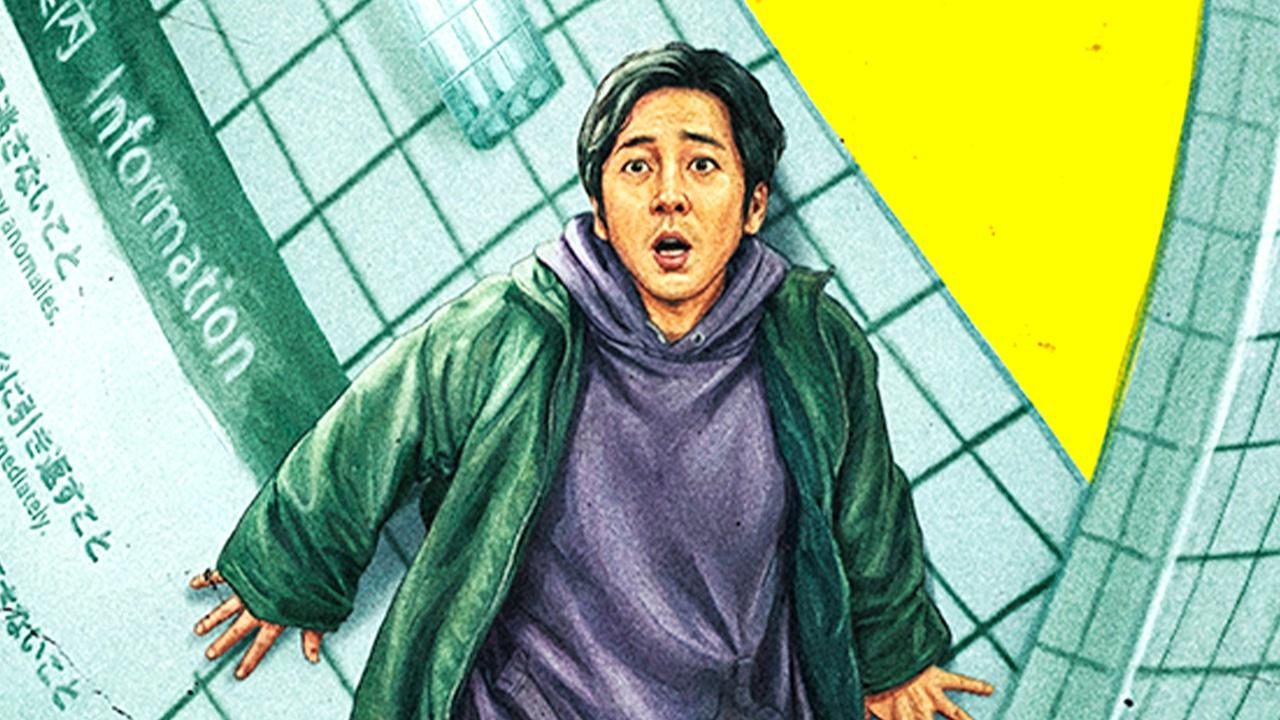
Exit 8 took gamers by storm when it was released in 2023. The indie adventure video game had a fantastic hook: players would walk through an endless subway tunnel, searching for the smallest anomalies. If you found one, such as repeating advertisements or blood leaking from the walls, you had to turn back; otherwise, your progress toward the exit would be reset.
It's not a horror game one would assume could become a movie one day, especially since video game adaptations can go either way with audiences. Director Genki Kawamura had different plans and turned the game into Exit 8, a movie that's finally making its way to the United States on April 10.
In an exclusive interview with The Direct, Exit 8 director and co-writer Genki Kawamura revealed which anomaly from the video game he wanted to include in the film, but, in the end, it just didn't work.
"There was an anomaly called the tile man," Kawamura explained, which was "this humanoid that's almost kind of blended in with the tile [who] comes running towards our protagonist." While they "tried to do that in live-action," the filmmaker figured "it would have skewed too far in the comedy direction that we had to let it go."
The Direct also spoke with Kawamura about his process in making this film a reality, giving the Walking Man an actual story, and more. For more coverage of the horror genre, make sure to check out The Direct's interviews from the red carpet premiere of the new twisted film, Faces of Death.
Which Anomaly Didn't Make It Into Exit 8's Adaptation?
"It Would Have Skewed Too Far In the Comedy Direction..."
- The Direct: "The game is obviously based around this idea of an endless hallway, and you're looking for anomalies. And there are a lot of anomalies in the game. What was the process like in deciding which ones you wanted to feature in the film?"
Genki Kawamura: The space in which the film takes place and the game takes place, I looked at and saw 'Dante's Divine Comedy' [in 'Exit 8'], this idea of purgatory, and in Purgatory, Dante's judge for his sins, and in this case, the anomalies are almost the manifestation of these small sins that we all carry with us.
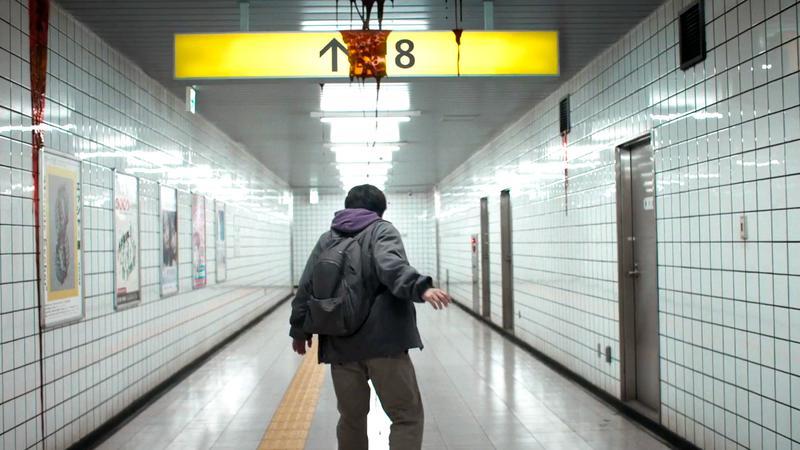
Likewise, throughout the development of the project, the corridor itself began to take on a will of its own, if you will. It's like this monster has a will, so the anomalies happening within this space, for example, the doorknob on this stainless steel door being in the middle of the door, as opposed to the side, almost feels like the domain playing tricks on the humans that wandered into its space.
- The Direct: "Was there any particular anomaly from the game that didn't make it into the film, but was very close. Like, you were like, 'I'm gonna do it,' but then just decided that it just didn't fit or wasn't the right choice for this moment?"
Kawamura: There was an anomaly called the tile man, where this humanoid that's almost kind of blended in with the tile [who] comes running towards our protagonist. But if we tried to do that in a live-action, [that] type of visual expression, I think it would have skewed too far in the comedy direction that we had to let it go.
- The Direct: "As I mentioned previously, the movie is so insanely accurate to the game. What was the process like in designing that hallway and making sure it felt and looked exactly like the game?"
Kawamura: The corridor that you see in the film, we had actually made two identical corridors and stuck them together. So it was like a copy and paste type of process, and that allowed us to do those super long runners, the long takes that you see in the film that feel like they're physically looping on itself...
The walking man, played by Yamato Kochi, in order to make that happen, once he walked past the camera in one shot, would run to the end, get on a bicycle ride to the other entrance of the corridor, catch his breath and begin walking again so we're able to do a single take looping effect in a very analog, practical type of production method. And because we had two identical sets, the cast and crew would always get lost. So I decided to give them names. One of the corridors was named Hitchcock, and the other one was named Kubrick.
Making an Impossible Video Game Adaptation Possible
"I Abandoned the Idea That What I Was Doing Was Taking a Video Game and Adapting It..."
- The Direct: "Exit 8 is a game that strikes me as kind of a near impossible one to make as an interesting film, yet you did it, and that is awesome. Can you just talk about how you approached the game, which hardly has any story, and then created something incredibly faithful yet wholly unique with this film?"
Genki Kawamura: Well, first, as you very succinctly pointed out, video game adaptations in the films have generally not been great and left a lot to be desired. So I abandoned the idea that what I was doing was taking a video game and adapting it, and rather approached this as an exercise in blurring the boundaries between the video game and movie mediums.
- The Direct: "How much involvement was there with the original game creator?"
Kawamura: The original creator, Kotake Create is an individual. So it was made by a single person. We had the opportunity to speak a lot during the development of the project, which was extremely helpful.
And I also look back to a conversation I had during one of the panels with Nintendo's Shigeru Miyamoto, and he said, 'Truly great video games not only entertain the players, but have to entertain the people watching the players and watching what the player is doing on the screen.'
So I tried to kind of recreate that same phenomenon that's happening in the video game industry within the film as well, where we have players, and we have streamers, and we have people watching the streamers. That sort of dynamic in the industry was something that aided me in making the right structure for the screenplay.
Giving the Walking Man a Story
Genki Kawamura Wants the Characters to Still Feel Like NPCs.
- The Direct: "One of the kind of more shocking and truly inspiring choices I feel like in this film, is the fact that you gave the walking man a story. Can you talk about why you felt that was the direction you wanted to go into, and how that further fleshed out the story you were telling?"
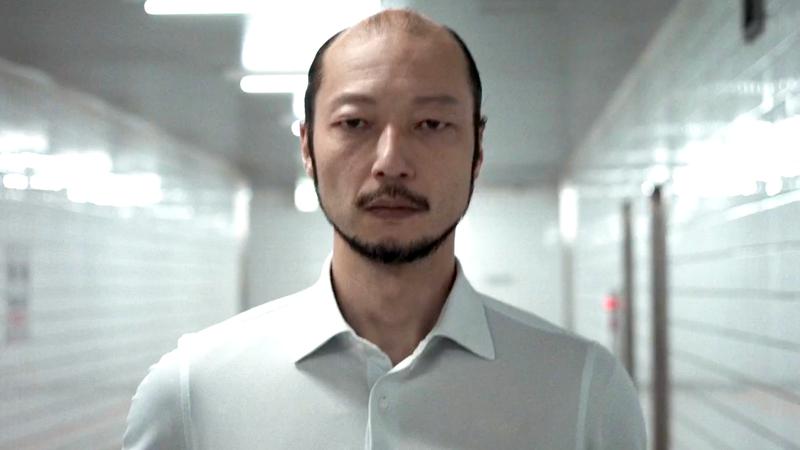
Genki Kawamura: The characters in this film don't have any names, and that was done intentionally to make them all feel like NPCs, in a way. And I myself experience this when I commute on the metro system in Tokyo, where, when I'm on the subway, I feel like I'm the main character of my own story, but I'm sure from someone else's point of view, I'm just another NPC.
So I wanted to kind of shine the spotlight on every one of these NPCs in each other's lives. And I thought giving the walking man his own background would provide a different perspective.
- The Direct: "When you played the game originally, is there a key moment or experience you had within it that just really stuck with you, and it's just kind of a core memory for you in relation to the game?"
Genki Kawamura: Before I even started writing the screenplay, when I was developing the project, I watched a lot of live streams and different archives of people playing the game. And because the game is so simple, I think people added their own reactions and commentary to it, giving them as many stories as their were videos and players of the game...
And what I realized was that almost served as a device. The game almost served as a device to get a deeper look into human nature. And I wanted to take that peek into human nature, capture it, and then put it into the film.
The Bigger Messages of Exit 8
It's Not Just About a Haunted Infinite Train Station Hallway.
- The Direct: "What were some of the bigger messages you were hoping to portray and kind of tackle with this movie and give to audiences past what was actually happening on screen?"
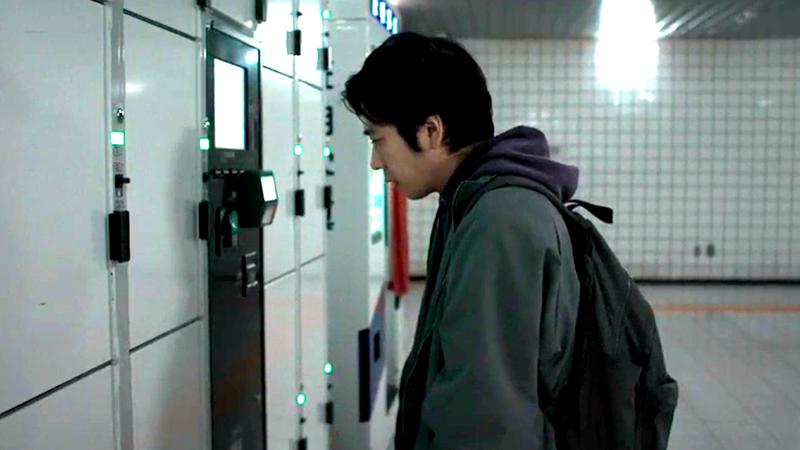
Genki Kawamura: I commute every day in the Tokyo Metro system, and I'll notice everyone is on their smartphones. So despite being together, we feel very isolated. I think our society has grown more and more self-centered, to the point where people won't even notice a crying baby, and even within their cell phones, will be scrolling through timelines, and there will be instances of war or violence that will either go unnoticed, be ignored, or pretended not to be seen.
So while no one is guilty of a crime as grave as killing someone else, I think there are a lot of small layers of guilt and sin that we accumulate and live with every day, and that's a much more universal phenomenon. So I thought, well, what if these little instances of guilt were all reflected back at us in these corridors as anomalies, the guilt manifesting itself as different anomalies coming back at the people who ignored them.
So when this happens, we have the choice to either ignore it and press on, getting stuck, potentially an infinite loop, or acknowledge it, turn back, and make a choice in our daily lives.