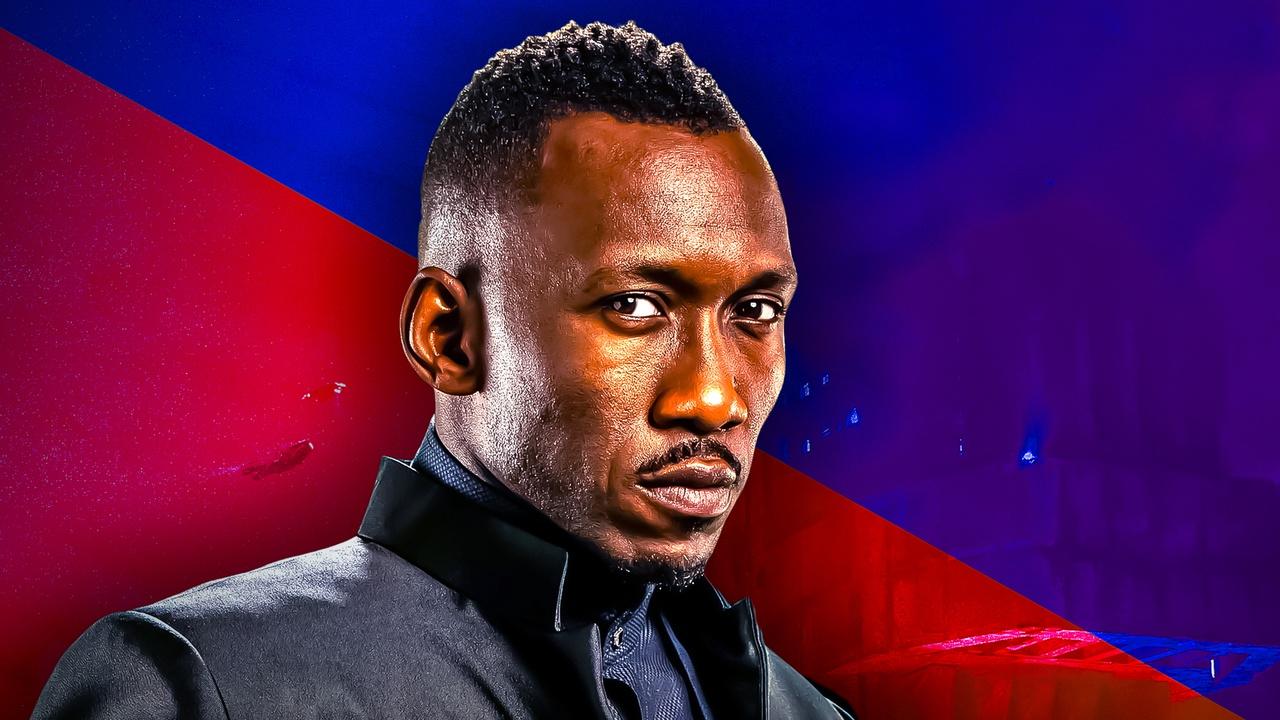
The journey to bring Mahershala Ali’s Blade to the big screen has been incredibly difficult. Since the project was first announced at Comic-Con in 2019, it has faced constant setbacks, including losing multiple directors and undergoing several total script rewrites. Recently, Disney officially pulled the movie from its release schedule.
Insider Jeff Sneider broke the news on The Hot Mic podcast on January 9, 2026, confirming reports that Marvel Studios has pulled the plug on the long-troubled Blade reboot. Sneider declared the solo movie dead, a consequence of the endless delays, director changes, and script troubles that plagued the production since its inception.
While this news may disappoint fans who have waited years for the Daywalker, stepping away from the struggling solo film might allow Marvel to fix the project's biggest issues. This delay means Kevin Feige and his team can avoid releasing a rushed movie and instead find a more natural, higher-quality way to bring Blade into the fold of the MCU.
Blade’s Reported Cancellation Comes With Two Major Advantages
Blade Gets a Better MCU Integration via Midnight Suns
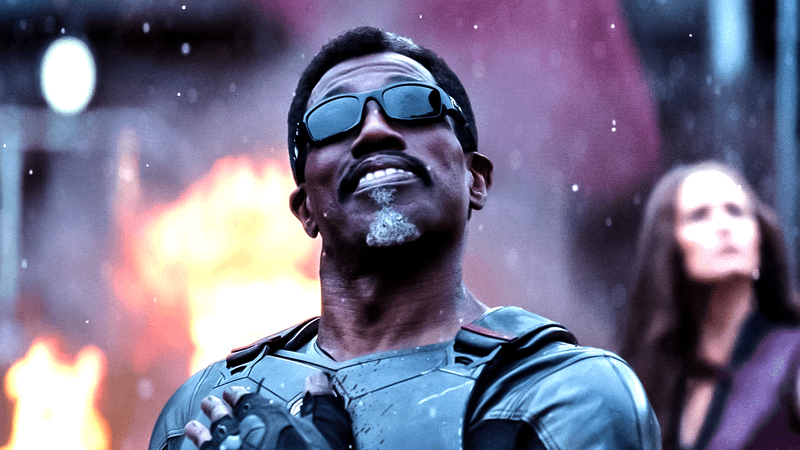
Marvel plans to introduce Ali's Blade in a potential Midnight Sons movie instead of a standalone flick. This supernatural team-up film gathers dark heroes like Ghost Rider, Moon Knight, Wong, Werewolf by Night, Man-Thing, Black Knight, and Elsa Bloodstone. Marvel reportedly hired a new writer after Michael Green stepped away in mid 2025, an indication of active development. Blade could lead as a Nick Fury-like figure, rallying the group against villains like Mephisto.
This change embeds Blade deep in the MCU from the start and maintains Ali in the role. A solo movie risked isolating him in a vampire niche, but Midnight Sons ties him to ongoing stories. This would be similar to how Black Panther first shone in Captain America: Civil War before his own film. Blade gains instant ties to Moon Knight's mysticism or Werewolf by Night's horror vibes, enriching his arc.
A team-up film also allows Ali's version to break free from Wesley Snipes' iconic take. Snipes defined Blade in the 1998-2004 trilogy with raw, street-level grit. Ali could also bring a different kind of gravitas to the character. At 51, Ali fits a mentor role, a dynamic that could be heavily explored in the Midnight Sons film before he eventually gets his solo run. By then, he would be deeply integrated into the MCU, making the work of scriptwriters for a theatrical MCU Blade film easier. If Midnight Sons succeeds, it also sets up future Blade projects with built-in hype.
Freeing Mia Goth for a More Iconic MCU Role

The cancellation releases Mia Goth from her Lilith role. Goth joined Blade in 2022 as the vampire goddess, even doing costume and wig fittings. She praised the early direction as "very cool" in an interview with Josh Horowitz on the Happy Sad Confused podcast, but admitted it "unraveled." With Blade scrapped, Goth steps away from a niche villain tied to delays.
This opens paths to bigger MCU characters. Goth excels in horror as shown in her roles in X and Pearl, often blending vulnerability with menace. She could redefine Mystique, the shape-shifting mutant. Past portrayals by Rebecca Romijn and Jennifer Lawrence focused on allure; Goth could potentially add psychological depth to the character, redefining it for the MCU's X-Men era.
Rogue suits her too, a Southern belle with a power-absorbing touch, cursed by isolation. Goth's intensity captures Rogue's inner turmoil, similar to her stellar MaXXXine work. At the end of the day, Marvel benefits from Goth's rising star power. Freedom from the shackles of a clearly problematic Blade film lets her tackle fan-favorite roles and put her talents to better use in the MCU.



Geraldo Amartey is a writer at The Direct. He joined the team in 2025, bringing with him four years of experience covering entertainment news, pop culture, and fan-favorite franchises for sites like YEN, Briefly and Tuko.