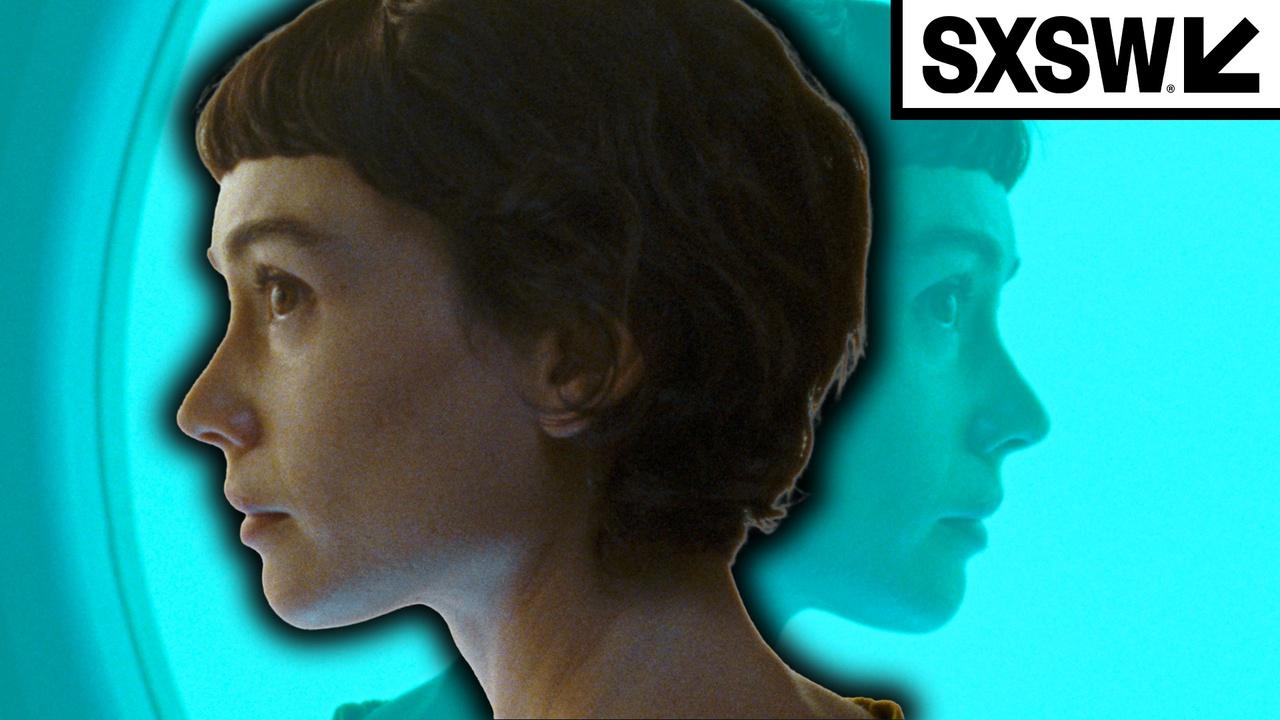
South by Southwest Film and TV Festival 2026 introduced attendees to an ambitious sci-fi film that, despite being about technology we don't have, still felt timeless and all too real. The story follows Sydney Chandler's (Alien: Earth) Beck, someone who just joined a company that specializes in digitizing someone's soul into a digital afterlife before the subject is due to pass away. Beck's job now is to escort Takehiro Hira's Paul, who audiences will know from Shogun, a deeply sick man on death's doorstep, to his appointment so that his digital future can be made true.
For fans of indie features, this is definitely one for you, as Anima feels aggressively indie throughout. However, the movie is led by strong performances from Chandler and Hira, and its timeless feel gives everything a unique aura that does not go unnoticed. Its interesting premise allows for the story to explore endless intriguing topics, while doing so with a creative edge.
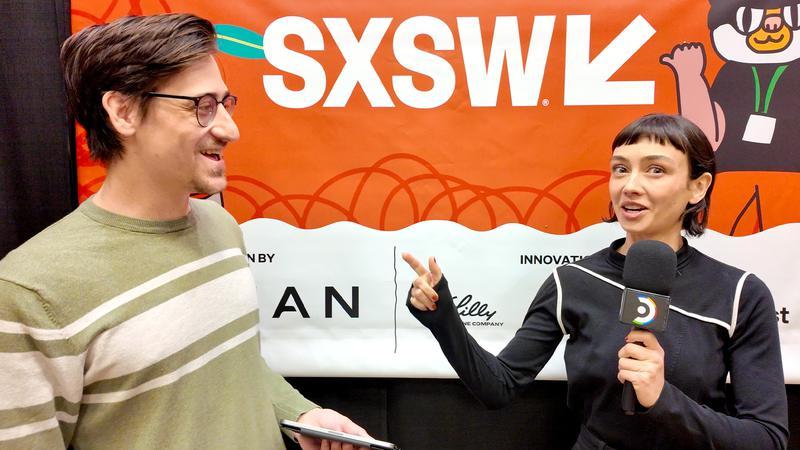
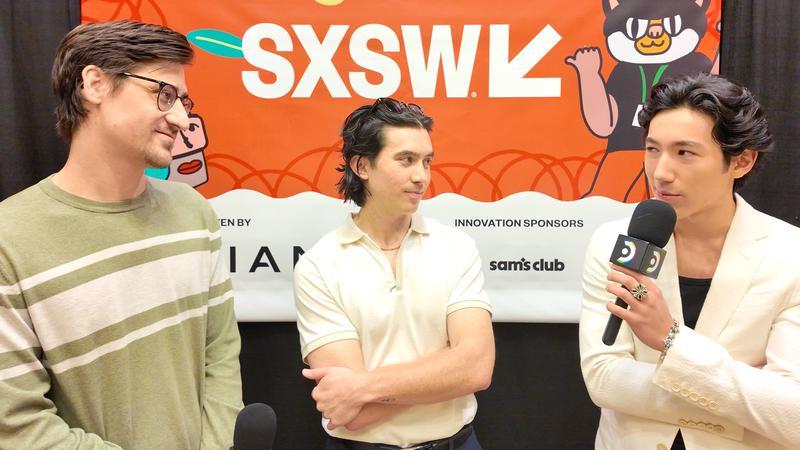
At SXSW, and prior to the festival, The Direct spoke with the cast and filmmakers behind the movie, where they talked about society's intense desire for a digital self, and what the actual beauty would be to live forever as 1s and 0s in code.
The entire list of talented actors and filmmakers we spoke with includes Sydney Chandler (Beck), Takehiro Hira (Paul), Maximilian Lee Piazza (Paul), and Brian Tetsuo Ive (director and writer).
Society's Need for a Digital Presence Plays Into SXSW's Anima
"I Think We All Fear Death..."
- The Direct: "My first question is just, the concept of creating a digital replica of yourself has been around for a long time within science fiction, but it's really kind of become a reality, I think, back in the days of like Myspace and Facebook, and that's kind of evolved throughout social media. Obviously, we don't have the technology that's in this film, but I wanted to ask you both what your thoughts are on society's need to always have a version of themselves out there, present, interactive, and able to have an opinion?"
Sydney Chandler: I just think of Ready Player One, which I love. I don't know. I think we all fear death, which I also, I don't know if this is a pessimistic view or not, but I think that is the one permanent path for us, and it's the most natural path. We all are born. We all die. Everything that happens in between is very unique and individual, and so to try to play God in that way; One, I don't know if it'll ever happen, [and] two, for me, it's like, I'm not a religious person, but I'm spiritual and the mystery is really, really fascinating to me, and so I'm ready to just see what happens. What's next? Because we're all supposed to go there. And so it's like, what if everyone's going to be missing out if they try to stay immortal? Yeah, I don't know.
Takehiro Hira: I guess my character, Paul, was trying to project the image of himself as a successful person, and, you know, an attractive man, but I guess that's the kind of image that he wanted to portray himself. But I guess, time sort of creeps up on him, and he has to slow down and then come back to himself. And I guess we all, at the end of the day, we have to deal with that. I mean, we have to come back to that. You know, just being a human being,
Brian Tetsuro Ivie: Well, it's funny, because this isn't the real me. This is just my—I've put this version of myself in this interview... Honestly, it's a big part of what I've wrestled with through the whole making of the film, writing the film, was the idea of like, this isn't that far away from like, not knowing whether you're talking to the real person that you think you're talking to, or not.
I think it's definitely a bummer that it feels like we always have to have an opinion about everything, or be present to everyone at all times. I think we like should not have the amount of information in front of us that we do. We definitely are so scattered. And I think as a result, hyper living, like skimming along the surface of everything. And so, you know, the poet David White often talks about [how] you cannot see people who are not moving at the same velocity as you. And so I think what we tried to do is slow down the movie, as you've seen.
And the phrase, something [like] Lo-Fi, something handmade and human, shooting on 16 millimeter that hopefully ask some of those questions, wrestle with those questions, but also as an experience, sort of cause people to slow down and be more contemplative and examine where they are in their life, and not just kind of zoom through it. And then, the transhumanist movement, all that stuff, like, man, we could be here for a while.
Maximilian Lee Piazza: Well, I don't think the film is necessarily—It's like not really judging technology. It's just, it just shows how technology can sometimes be a barrier for real human connection and real vulnerability.
The Beauty of Living Forever In a Digital Afterlife
"I Struggled With That Question While We Were Filming."
- The Direct: "The film obviously paints the idea of kind of transferring your consciousness into an afterlife avatar as not necessarily the greatest thing. You know, you have the corporate greed aspect of it, the kind of uncanny, hard-to-accept part of it. All of that aside, I'm wondering, in your words, what do you think is the actual true beauty to the idea of living past your time as a digital construct?"
Sydney Chandler: I don't know. I mean, I really, because I struggled with that question while we were filming. Like, would Beck be interested in doing that? And I understand if people feel like they have unfinished business, but also, everyone's life will be unfinished, which is a really beautiful thing. You're not going to grasp everything, and also living forever, like, what if you get bored? It's too much. Once you learn everything and read everything, I think you'd lose some of your humanity. So I don't know what the plus side is. It's fascinating. If you could try it for a bit and come back, I would try it, but it's a bit of a permanent decision.
Brian Tetsuro Ivie: I think in some ways, the film tries not to judge the idea, certainly not the impulse to want to live on and stay connected to other people. I mean, I think there was something which I think you'll see even more as the film goes out into the world... We tried not to comment in a really strong way on like, Oh, this is some like, really dark entity that's doing this...
When you watch videos of companies, like, real companies that are doing this, they're called death capitalists and all this kind of stuff. These are just people who have been through real loss, I think that are trying to preserve something really sacred about the people that they've lost, and do that for others. And so I think the beauty of it, of course, is that this technology is only going to get better, and it's going to—there's certainly a lot of our humanity at least, that can be preserved.
The question becomes, what's our deepest self? Can that be preserved? All of that? But the beautiful part about it is, yeah, that a lot of the intentionality isn't just like money, certainly for a lot of these startups, is they're trying to, I don't know, preserve something that the world would be missing if this person weren't around.
Takehiro Hira: I think that's true, but, and then they also, you know, there's something beautiful about life, because it's limited. Because there is an end to it that makes it more precious. So I guess there's a balance.
Maximilian Lee Piazza: I think because it especially applies to my character as well. I think, especially for Ryan, he feels safest in his internal world, and especially likes technology and VR, so I think he's the type of kid who can't really express what he's truly feeling, and he just carries it inside emotionally. So I think for Ryan, technology is his way to escape that world of real human interaction, so there's definitely a lot of pros and cons to it, but I think that it's more that technology can be a barrier for a real human connection.
The full interviews with the cast and filmmakers behind Anima can be viewed below.
Anima does not currently have a release date.