
James Gunn's Man of Tomorrow will embrace newfound territory, elevating it beyond 2025's Superman. The DCU's first big-screen entry starring David Corenswet's titular Kryptonian stood out because its set pieces leaned more on a vibrant color scheme, playing out in brighter conditions. This deliberate choice was tied to the film's hopeful tone, sending a message to viewers that its visual language was less shadowy than the DCEU. Gunn's strategy also allows the film to be distinct from the DCEU and Zack Snyder's darker aesthetic.
Man of Tomorrow is poised to reverse a DCEU strategy by featuring nighttime action scenes, which 2025's Superman lacked because of how its story was conceived by writer and director James Gunn. Set photos from the 2027 Superman sequel show extensive night-time action shoots, including a clash between Nicholas Hoult's Lex Luthor (in his upgraded armor) and David Corenswet's Superman.
Nighttime shoots also showed Corenswet's Superman performing aerial stunts, suggesting that scenes of Superman soaring through the dark will be highlighted in Man of Tomorrow (set for release on July 9, 2027).
Additional night-set photography for the sequel may also indicate that more Superman-centric scenes could be included in a good chunk of the runtime.
A set video of Superman reacting to a green light at night may have shown the continuation of his fight with Lex Luthor, with the DCU villain firing his Kryptonian-powered weapon from his upgraded suit, which could be deadly to the Man of Steel.
It is unknown at which point in Man of Tomorrow this battle between Lex and Superman will be featured, but it's safe to assume that it will be before Brainiac's arrival; the two will eventually need to join forces to stop the mega villain.
If this happens early in the film, then the confirmed alliance between Superman and Lex will feel earned once the true threat of Brainiac and his invasion arrives.
Superman is unique in that three of its major action sequences are in broad daylight. James Gunn's 2025 DCU movie began with the battle between Superman and Ultraman in Metropolis, kickstarting the events and establishing its vibrant aesthetic.
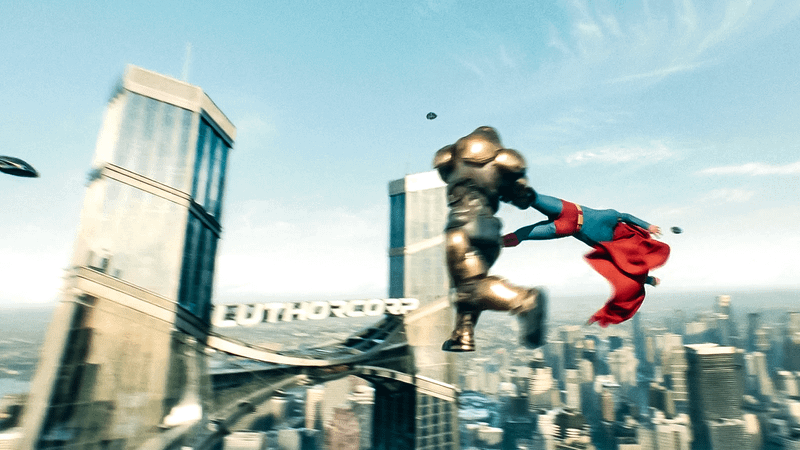
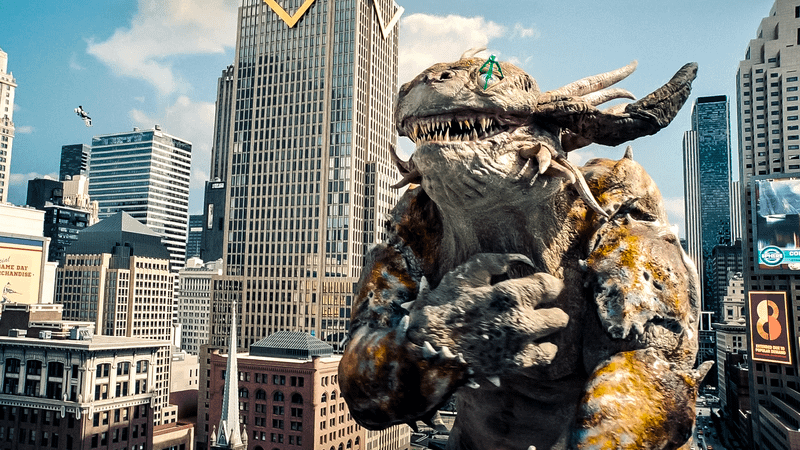
The Kaiju fight in Superman also happened during the day. This makes the action easier to follow, which is important as it serves as the Justice Gang's introduction.
The climactic battle and the pocket universe's destruction in Metropolis also take place during the day, emphasizing the film's committing to a colorful first theatrical release to establish the larger DCU.
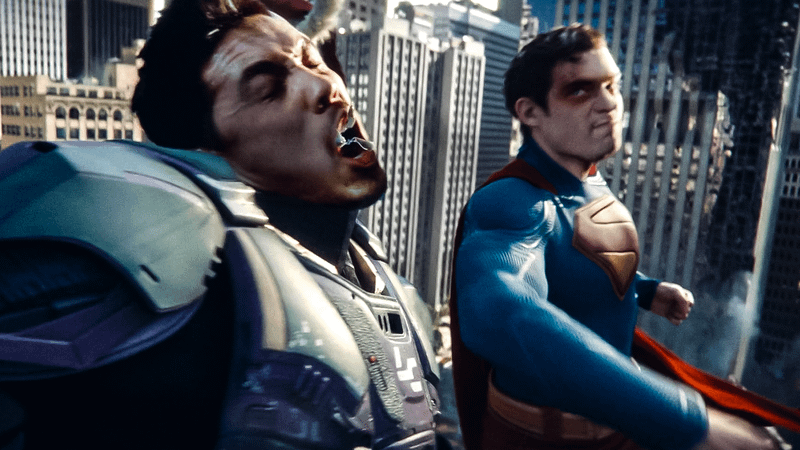
In Superman, setting battles during the day was an advantage when multiple heroes, villains, large-scale destruction, and rapid choreography are competing for on-screen attention.
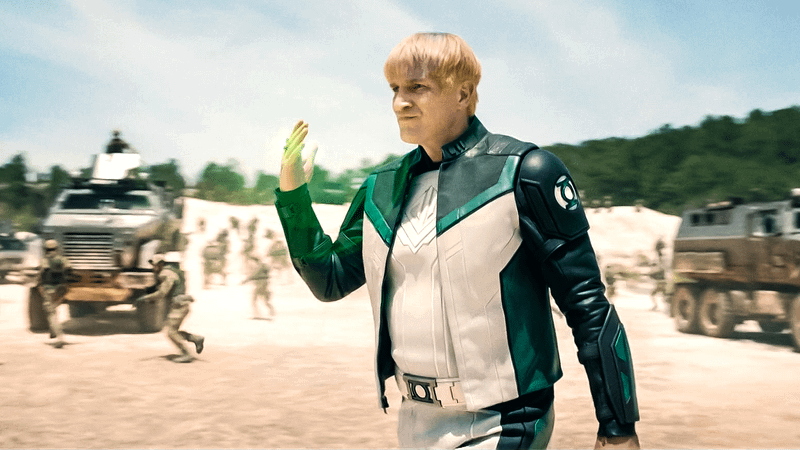
Adding nighttime scenes to Man of Tomorrow creates a unique challenge for James Gunn and his crew to make the sequel stand out from the first film's energetic set pieces.
Why Man of Tomorrow’s Nighttime Strategy Is a Good Sign for the DCU
Superman's vibrant approach was generally well received by fans and critics, instantly setting the DCU apart from the DCEU. Despite that, moving away from a familiar daytime strategy is a good move for Man of Tomorrow because it expands the sequel's visual language and sets a precedent for future movies to embrace a similar approach.
This pivot doesn't mean that there are no more daytime set pieces in Man of Tomorrow. The shift reinforces that the DCU is unwilling to repeat the same aesthetic, mainly because the franchise is prioritizing growth and variety, which is a significant asset for a shared universe.
Clayface, the upcoming body-horror DCU movie set to release on October 23, will provide a preview of what to expect in its nighttime sequences, given that Gotham is its main setting. As the next movie on the docket, Man of Tomorrow is expected to build on that foundation by signaling maturity without losing its hopeful core and balancing a plethora of Justice League characters on-screen.