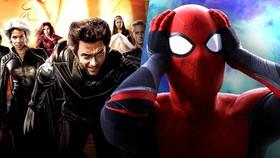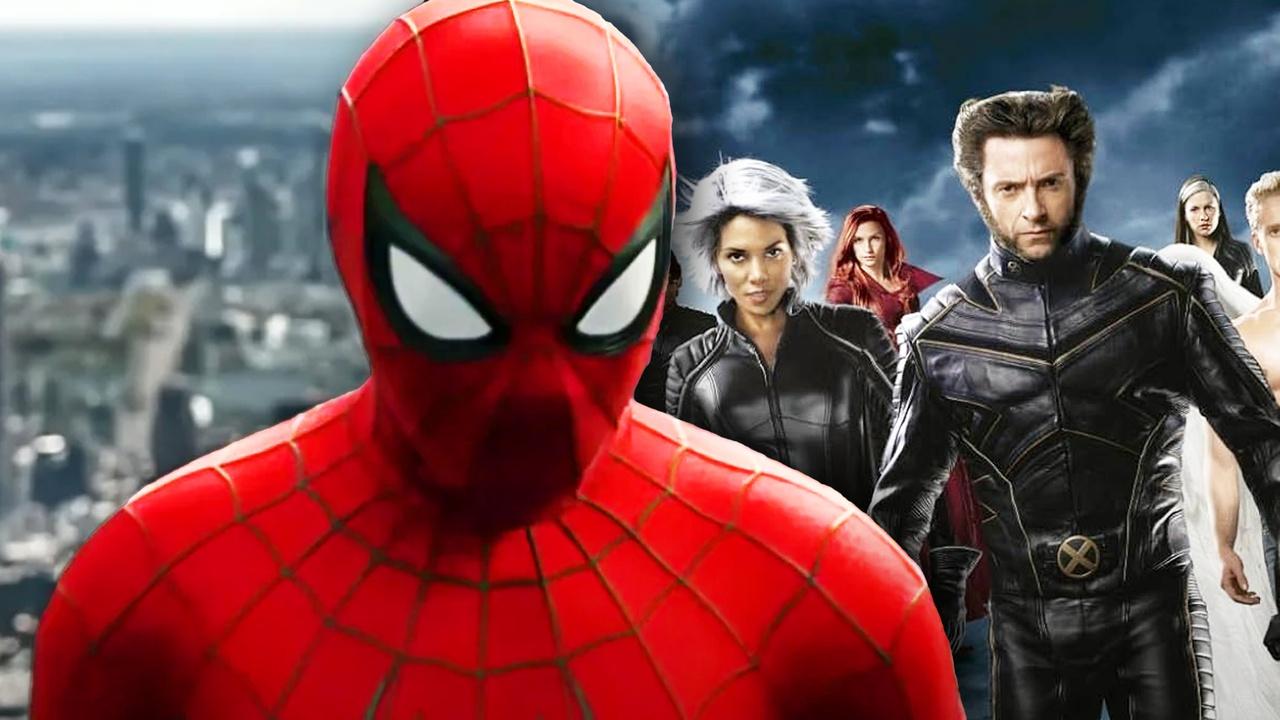
Spider-Man: Brand New Day's introduction of Jean Grey has led many to wonder if Peter Parker is a mutant. With Brand New Day finally bringing a major X-Men character into the main MCU timeline and showing Peter's powers evolving in dramatic, body-altering ways, it's easy to understand why fans are asking the question about his ties to mutants. Marketing for Spider-Man: Brand New Day has leaned heavily into the language of "mutation" and "rebirth," Bruce Banner helping Peter navigate the changes, and the story directly intersecting with mutant-related themes through the Department of Damage Control's (DODC) anti-enhanced agenda.
That combination has fueled speculation that the radioactive spider that bit Peter activated a dormant X-gene or even the idea that Spider-Man: Brand New Day is soft-rebooting Spider-Man into mutant status to better bridge the Multiverse Saga into the Mutant Saga.
Is Spider-Man a Mutant in Spider-Man: Brand New Day?
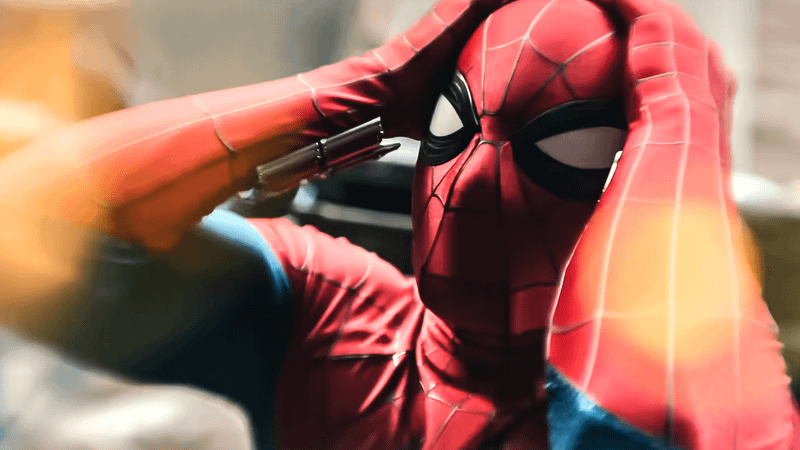
No, Peter Parker is not a mutant like the X-Men. Instead, he remains a mutate. In Marvel's established terminology, both in the comics and in the MCU adaptations, there is a clear biological and conceptual distinction.
Mutants are born with the X-gene. Their powers are innate, typically emerging naturally during adolescence as part of their genetic makeup. Sadie Sink's Jean Grey's abilities, telepathy, and telekinesis, fit this category.
Meanwhile, Mutates are ordinary humans whose biology is altered by external forces, such as radiation, chemicals, experiments, or other mutagenic events. Spider-Man has always belonged in this category. The irradiated spider bite rewrote his DNA; everything that followed, including the further changes like the organic webbing in Spider-Man: Brand New Day, stems from that original external alteration rather than an inborn X-gene.

Spider-Man: Brand New Day treats "spider-puberty" as an evolution or acceleration of his existing spider-altered physiology, triggered by emotional isolation, single-minded focus on being Spider-Man, and the stress and heartbreak he experienced after the events of Spider-Man: No Way Home.
By not reclassifying Peter as a mutant, Brand New Day's story keeps the distinction intact even as it uses the movie to introduce mutant concepts and characters to a wider audience.
This revelation aligns with decades of Marvel Comics continuity, where Spider-Man has occasionally been mistaken for a mutant by the public or has temporarily undergone further physical transformations (such as the infamous Man-Spider one), yet has been categorized as a human mutate.
Spider-Man Isn't a Mutant - But It Doesn't Stop Him from Joining Future X-Men Stories
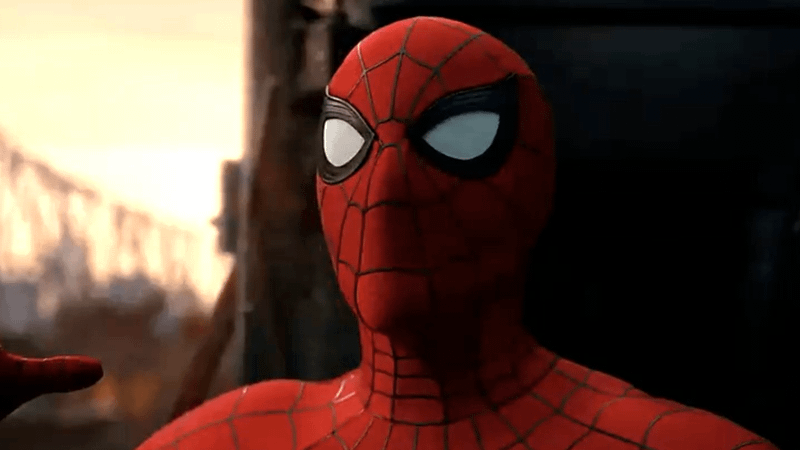
Spider-Man: Brand New Day keeps the wall-crawler firmly in the "mutate" category, yet the film's introduction of Sadie Sink's Jean Grey and its broader mutant-adjacent themes only reinforce how easily Spider-Man can cross into the X-Men territory.
Marvel Comics and other forms of media have set the precedent. Spider-Man has repeatedly teamed up with the X-Men without ever becoming one of them. While early crossovers saw him briefly mistaken for a mutant or even showed him declining an invitation to join the team, later stories went much further.
The 2014 limited series Spider-Man and the X-Men saw Peter become a faculty member at the Jean Grey School for Higher Learning at Wolverine's request. Spider-Man also fought alongside Nightcrawler, Wolverine, Storm, and many more in countless stories. He also helped protect mutants from anti-mutant antagonists.
That said, it's clear that there is a treasure trove of stories for Spider-Man to help the X-Men in the MCU, and his adventure with Jean Grey is certainly not a one-off. Narratively, Spider-Man's outsider status is a strength as he brings a street-level, everyman perspective to mutant stories that pure X-Men characters sometimes lack.