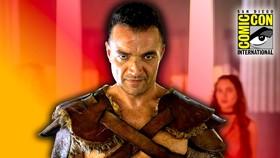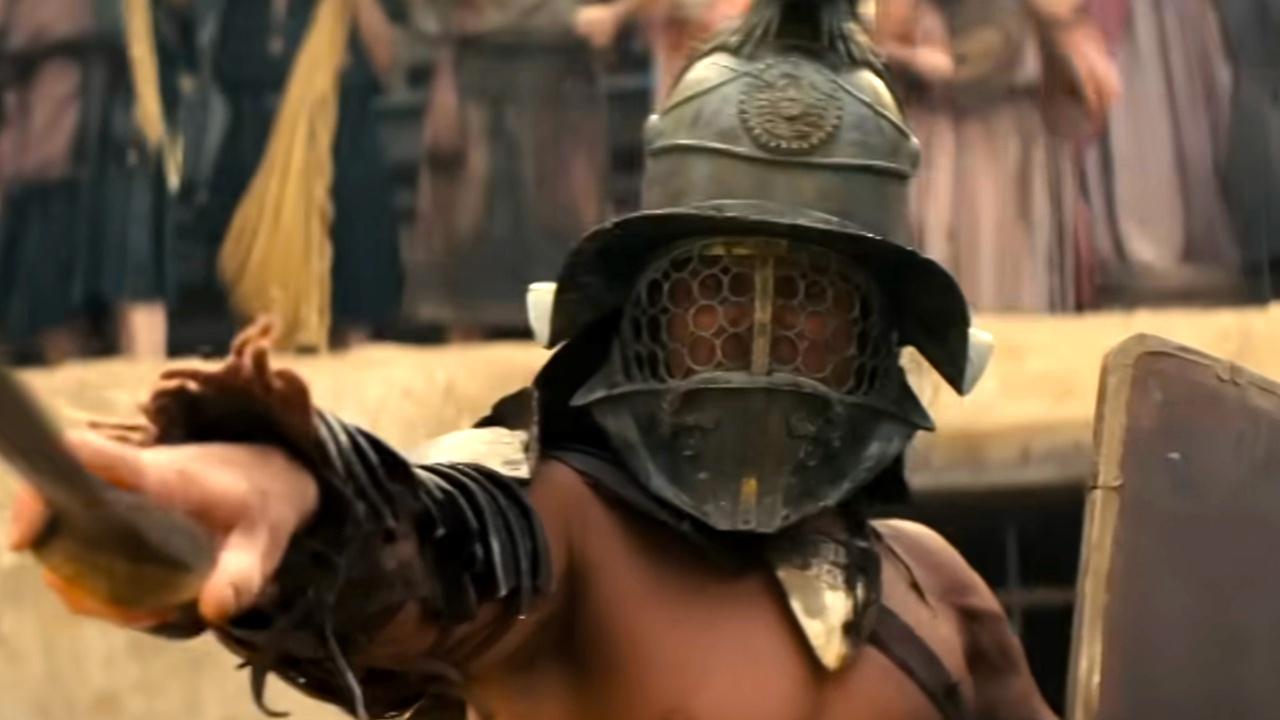
Starz pulled the rug out from under Spartacus fans when they announced House of Ashur, a show that takes place in an alternate what-if timeline where Nick E. Tarabay's Ashur survives the events of the original show and kills Spartacus. The show's first episode even gets supernatural to set this premise up, taking the original Ashur, who had just died, straight from the Underworld itself and plucking him in another timeline that gives him a second chance.
The Direct sat down with Spartacus: House of Ashur showrunner Steven S. DeKnight, who also worked on Netflix's Daredevil, where he spoke about the chances of seeing more supernatural elements on the show, and revealed whether or not the titular Spartacus is actually dead in this new timeline.
When asked if Spartacus: House of Ashur's intro might open up the doors for some more supernatural elements, DeKnight confirmed that "you're not going to see that again in the body of the show." He further clarified how "that's no the show" and "that's purely the intro"
As for the fate of Spartacus himself, the show's concept declares he is dead. However, the first episode of House of Ashur offers hope that Liam McIntyre's hero might not actually be dead.
Sadly, despite that, DeKnight confirmed to THe Direct without a shadow of a doubt that "he's dead." The showrunner also added that "Everyone who died in the original series, except Ashur, they're dead."
More of The Direct's interview with Spartacus: House of Ashur showrunner Steven S. DeKnight can be read below. House of Ashur is now streaming on Starz.
There Will Be No More Supernatural Elements In Spartacus
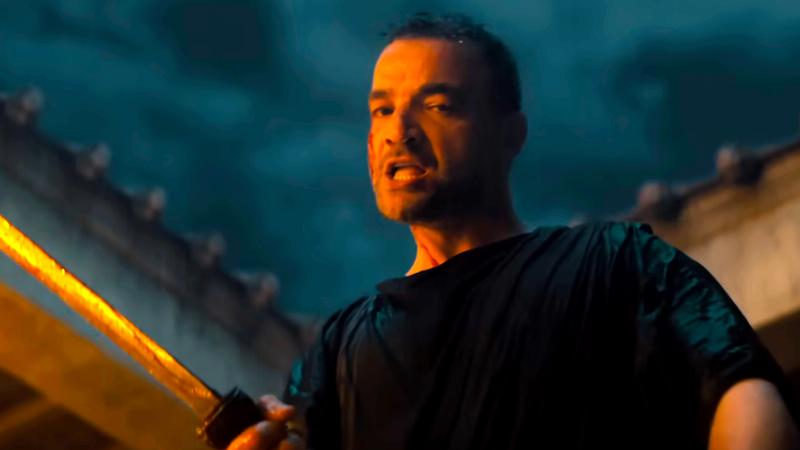
"You're Not Going to See That Again In the Body of the Show."
- The Direct: "I know that supernatural intro is very minimal, and it's just kind of set up. But does that open the door for maybe dabbling a little bit more in the future? Because I know fans have really wanted to see, like the gods, portrayed in some way. So does that open the door to stuff like that?"
Steven S. DeKnight: No, that's the one thing. You're not going to see that again in the body of the show. Because there was some talk, some questions from Starz and Lionsgate, as we were working on on the script, is, are we going to see other supernatural things happen? And no, that's not the show. That's purely the intro. I want it to be the same show as the original show, where you don't see any of that, except for the opening, where you know, this is what would have happened if the Fates had woven a different path for Ashur.
- The Direct: "It is such a unique setup, I was a big fan of it. It's great."
Steven S. DeKnight: Well, thank you. It's a big swing, and honestly, we didn't know how it would work. And that opening. My God, we rewrote and reworked that opening like 20 times to get it just right so it could appeal to the legacy fans and also give just enough information, but not too much information to overwhelm a new audience. So finding that sweet spot was really tricky.
- The Direct: "How did you decide to bring Ashur back through supernatural means? What led you to just going, we're not going to just do a what if show, we're going to literally take this man at his death, put him in the underworld and go, here's another timeline."
Steven S. DeKnight: Back in the original show, there was a line in 'Spartacus: Vengeance' that the writers' room and I always were talking about and saying, wouldn't have been great if we had did that. It's when Ashur, I think it's in the last episode of 'Vengeance,' where Ashur tells Lucretia that he's going to help Glaber bring down Spartacus, and then he's going to inherit Batiatus' Ludus and her, and it's going to be the rise of the House of Ashur. And we always thought, man, that would have been a fun show to work on, that would have been really cool, but we killed him, so we can't do that now.
The showrunner went on to list some of the alternate ideas for a Spartacus spinoff series, which included a show about "Caesar, Crassus, Pompey, and the Triumvirate and the overthrowing of the Republic:"
DeKnight: So when it came around where Lionsgate and Starz approached me about resurrecting 'Spartacus'--originally, I think the question was, do you want to reboot Spartacus? It's like, No, I'm not going to tell that story again. I wouldn't touch that. But they said, Well, what about something kind of in that world, in that vein? So I started kicking around different ideas. Of course, first it was the obvious suspects. It was, well, a show about Caesar. Well, Caesar has been done, you know, everybody knows Caesar. And then it was, well, what about Caesar, Crassus, Pompey, and the Triumvirate and the overthrowing of the Republic? And I thought that sounds really great and really expensive. I want to make sure the show has legs. And then I was kicking around briefly, Anthony and Cleopatra, but it had the same issue of basically expense. An incredibly expensive series to do right.
Of course, all roads inevitably lead back to House of Ashur:
DeKnight: So I came back to this idea of, well, hell. What if we just did the House of Ashur? What if I had, you know, Lucretia went over the cliff with a baby and in the same episode Ashur got his head lopped off, what if he ends up in the underworld with her, and she has this whole thing about The Fates? And, you know, this was just one thing that could have happened. And then I got really excited, because I thought, I love this character of Ashur, and, you know, he's a horrible person, but in 'Gods of the Arena,' you kind of see why he's a horrible person. Really, the guy just needed a hug, you know, he just wanted love, and he was just kicked in the crotch by everybody, and it turned him bitter and mean, and he figured, all right, if that's what you want, that's what you're going to get.
With as unlikable of a guy that Ashur is, one of the key challenges for DeKnight was trying to figure out how you make audiences root for someone like that:
DeKnight: But I was really excited by the idea of being given a second chance. Could he be a better person? And he certainly tries. Whether or not he succeeds, we'll find out... And then the immediate problem was that he was such a bastard in the original show. How do you make the audience root for him? And of course, the answer was to introduce people who are worse. You introduce the Roman elites, who are way worse than he is. So that was basically the genesis. I'm still shocked that Lionsgate and Starz, because when I sent them my proposal, I thought there's no way they're gonna go for this. And they said, 'Yeah, that sounds great. Let's do it.' And here we are.
Spartacus' Real Fate Confirmed In House of Ashur
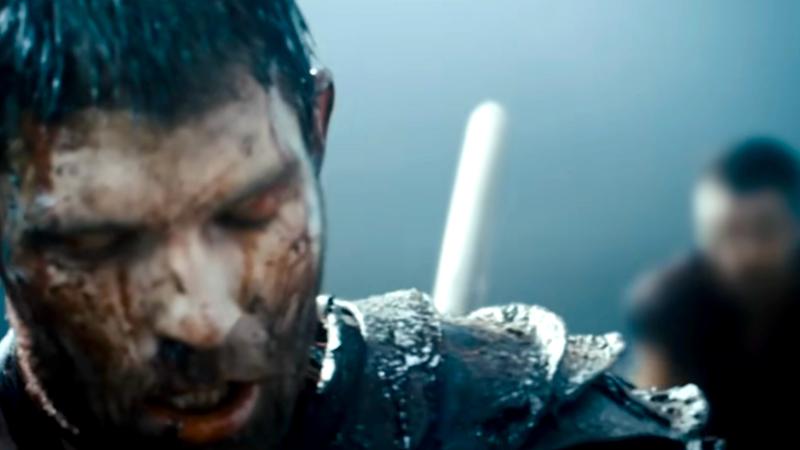
"Oh, No, He's Dead."
- The Direct: "In that very first episode, there is a very clear tease of the glimmer of hope that Spartacus could still be alive. Are we gonna, in this alternate history, is Spartacus gonna be here?"
Steven S. DeKnight: Oh, no, he's dead. He's dead... Some characters hope he's alive, and other characters clearly say, if he were alive, we would have heard about it, man. So that's one thing the fans are always asking me. It's like Gannicus, we didn't technically see him die. And I have to tell everybody, no, he's dead. Everyone who died in the original series, except Ashur, they're dead, because I didn't want to be changing too many things, and I really didn't want to affect the ending of the original series, which I thought was just right. Like people ask me, 'Are we going to see Agron and Nasir in their goat farm?' And my answer is, always, I love the way their story ended. I don't want to upset them or their goats, so I'm leaving them to their peace.
- The Direct: "With the inherent concept of the show, obviously, it breaks history. You can do whatever you want. So how freeing was it to know you don't have to really worry about history? You have substantially more freedom than you've ever had before with the show?"
DeKnight: That was the other thing that really excited me, because in the original show, Rob Tapert and I had always talked about bringing in the female Gladiators, the Gladiatrixes, but historically, they didn't arrive until about 80 years later, right about so. So instead, you know, once the war broke out, we could have women fighting, which we really loved, and that was the other thing that I loved about this concept, is that Ashur being alive, one of the first things in history that he changes is he brings in the gladiators early because he's desperate and he needs a gimmick.
So that starts the dominoes falling, and towards later in the series, and as the series progresses, you'll see the female gladiators really catch on. So we'll have more of them. And there are other things, you know, we want to take historical events that people know and start to change them and alter them all, because Ashur is alive. Him being alive just changes everything, while still pulling from actual historical things that are going on.
- The Direct: "When it comes to Ashur himself, obviously, he's the main character of this show. How can you describe where he is going into the show, how he is as a character compared to when we just saw him, and how different is this new Ashur going to be? Or is he pretty much the same Ashur, just more room to evolve going forward?"
Steven S. DeKnight: Yeah, it's a little both. I mean, we come into it about six months after the defeat of Spartacus and his rebels, and Ashur has been given everything he ever dreamed of, which he discovers is a big burden, and he's struggling because he's in this weird place.
He helped the Romans defeat Spartacus and his rebels, but he's also an ex slave, ex Gladiator, so while they may be thankful, they don't trust him and he's not a Roman citizen, which they look down upon, so he's in this really precarious place where he's got to really scramble and use all of his wits and his devious nature to try to keep what he has and expand what he has so he's he's got his back up against it from the very beginning.