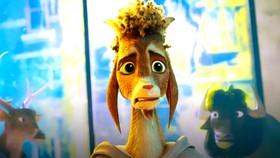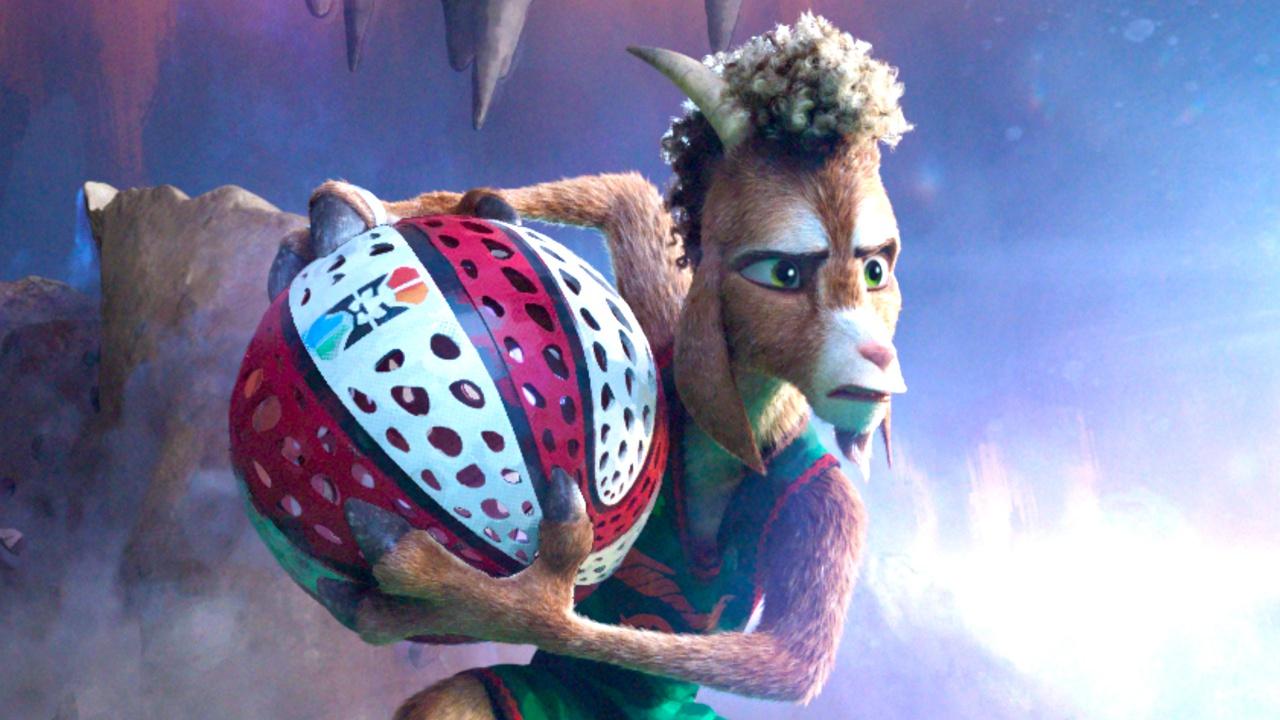
Sony Pictures Animation already made a global phenomenon last year with KPop Demon Hunters, a film whose popularity hasn't diminished. Now, the studio is back to make waves once again with Goat. Goat tells an inspirational sports story in a world populated by anthropomorphic animals. It stars Caleb McLaughlin as Will Harris, a small goat who desperately wants to play professional roarball (aka basketball), a sport normally dominated by large animals.
McLaughlin is joined by a long list of talented actors, including Gabrielle Union (Jett Fillmore), Nick Kroll (Olachenko), Stephen Curry (Lenny Williamson), Patton Oswalt (Dennis), and his Stranger Things co-star David Harbour (Archie Everhardt).
There are plenty of things about Sony Animation's Goat, which lands in theaters worldwide on February 13, that set it apart from the pack. One key element is a particular choice by the creative team to illustrate the film's key emotional moments in a memorable and impactful way, one that will warm the hearts of sports card collectors around the world.
Sony Pictures Animation's 'Goat' Secret Is in Its Love for Basketball Trading Cards
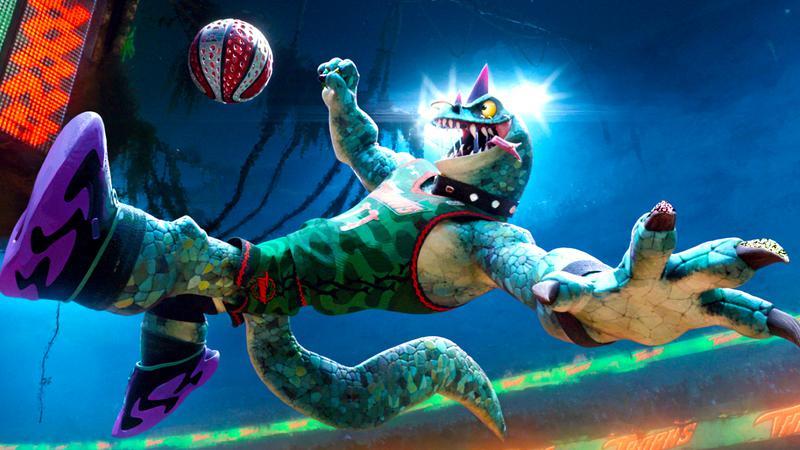
Impact Cards With Trading Card DNA Make Emotional Moments Hit Harder.
While attending a special press visit to Sony Pictures Animation Studios in Los Angeles for the upcoming film Goat, The Direct learned exactly what makes the new animated feature so special.
The key was revealed by Dylan Casano, the movie's motion graphics animator and designer. Casano explained how one of his main jobs on the film was to design what they call impact cards. These would be specific moments in the film with a big impact—either physical or emotional—that they aimed to imbue " with the flavor and the aesthetic of trading cards:"
Dylan Casano: So one of my main projects here on 'Goat' was to [work on] what we call impact cards... Our co-director, Adam, had a great idea where we could take certain pieces of this film, moments of big impact, either physical or emotional impact, moments where we can imbue them with the flavor and the aesthetic of trading cards, something that was very nostalgic and nerdy to us and the people who collected them all.
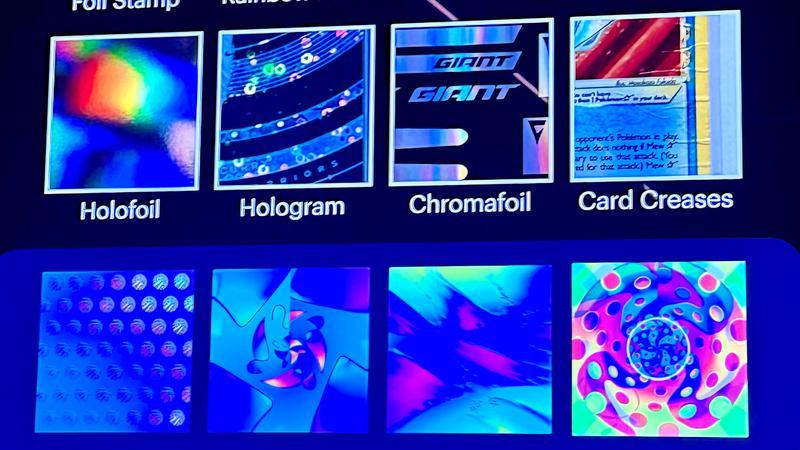
"They're quick, blink-and-miss-it kind of moments," Casano elaborated, adding that "every single character has their own different design, kind of flavor of these basketball cards and what's emphasized:"
Casano: And as you can see, there's a very specific aesthetic to these, especially if you collected them yourself, you probably know. And so we wanted to bring this into the already vivid visual world of 'Goat.' And so this is where we sort of landed with some of our favorite scenes. They're quick, blink-and-miss-it kind of moments. But every single character has their own different design, kind of flavor of these basketball cards and what's emphasized.
Sports trading cards have a specific aesthetic, one that Casano was thrilled to deconstruct and integrate into Goat's visual language. The artist explained how they "made a library of these textures, shapes, and patterns that you see in these basketball cards:"
Casano: So first, we started by deconstructing the basketball card. What makes the aesthetic tick, right? How do we boil this down to its individual components? The hollow foil, we have the foil stamp lettering with the grids up there. And then we collected all these—We made a library of these textures, shapes, and patterns that you see in these basketball cards when you hold them up to the light, you know, that iridescence that they have. And so on the bottom here, you can see this is sort of our recreation of the real-world basketball card kind of shapes and stuff.
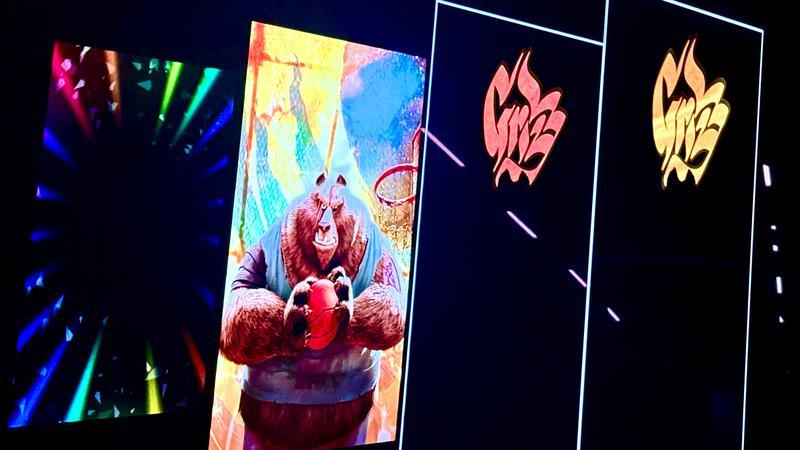
Casano showed the design of Grizz's (played by Jelly Roll) impact card, which has a "gold foil stamp king of look" alongside "the edges of the card [being] worn and wrinkled," showcasing how much the cocky character is "just a playground bully" at the start of the film:
Casano: We've got Grizz... For him, we landed on, like, a foil stamp, gold foil stamp kind of look, where he's even ripping through the fabric of the card itself, revealing the gold underneath. And you'll even see the edges of the card are worn and wrinkled, because it's almost as if his card wasn't well taken care of. It's not really, like, worth much, because he's, at this point in the movie, he's just a playground bully, right?
Then there was Olivia Burke's (played by Nicola Coughlan) card, which focused on a pivotal moment later in the film. Her design commemorates her success by "showing her name front row center" and surrounds it with "these emojis and messages and live streams" to illustrate "her obsession with social media:"
Casano: We've got Olivia Burke with her [big] moment [in the film]... We commemorate that with this by showing her name front row center, surrounding her, and it's accompanied by all these emojis and messages and live streams, just to show her obsession with social media.
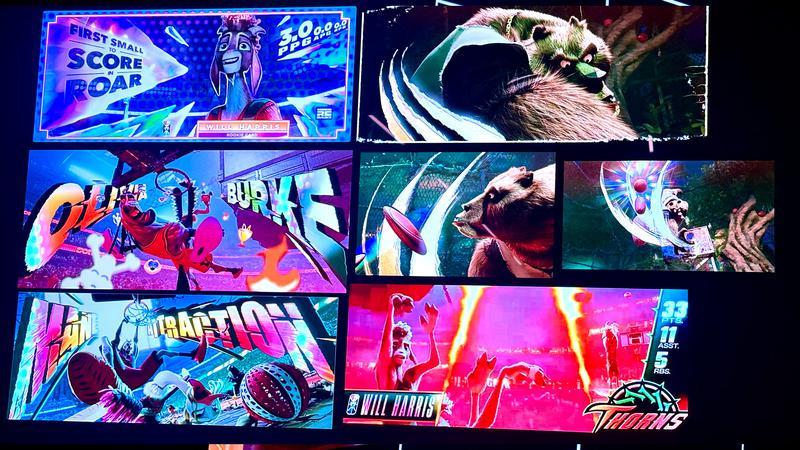
Of course, the main character of the film, Caleb McLaughlin's Will Harris, gets his own impact cards. The first one is "his rookie card," representing where he is early in the movie. Casano proudly pointed out the small details of "a rookie card logo" and lower states in the right-hand corner.
Will's impact card evolves over the course of the film, illustrating the character's growth:
Casano: Next, we have Will Harris, his first card. This is his rookie card, because at this point in the film, he's a rookie. This is when he makes his first professional in professional roarball, we even have a rookie card logo, this is like for the people with elite ball knowledge, in the lower right-hand corner. In the upper right-hand corner, we have his stats, and the stats are very low because he is a rookie.
At the end of the day, Casano explained that what they were setting out to do was to "take these story beats and turn them into moments worth immortalizing:"
Casano: What we wanted to do, what we're setting out to do, is take these story beats and turn them into moments worth immortalizing, kind of like the audience is seeing a legendary highlight being printed in real time right before the rise. And that's what we set out to do, and that's what we did. And this is just one of the many visual aspects that we brought into the 'Goat' and the care and precision that we're bringing into the world.