Marvel's newest TV show drops you into a rain-soaked New York, where a broken-down private eye who used to fight crime in a mask now drinks too much and lacks the motivation to be anyone's hero. Spider-Noir gives Nicolas Cage the lead, casting him as an aging gumshoe in the middle of the Great Depression, a man who once protected the city as a masked vigilante called The Spider. You can watch the whole thing in full color or in black and white. Either way, it looks and feels nothing like the polished Marvel TV that the MCU trained us to expect.
Then something clicked while I watched. The further I got into the season, the more I started to question how Marvel Studios runs the MCU. Spider-Noir works so well precisely by ignoring all of it. The show is free from the burden of connecting with other shows or movies and gets to be its own strange little world. This freedom is one of the many reasons it's such a great, unique series, different from anything the MCU has shown us. It made me wonder why almost every live-action Marvel project we get stays chained to one universe.
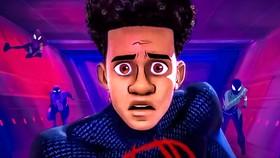
Spider-Noir comes from developer Oren Uziel and streams on Amazon Prime Video, with Spider-Verse architects Phil Lord and Christopher Miller among its producers. Those two helped shape where Cage first voiced this version of the wall-crawler in Into the Spider-Verse. The show leans hard into its pulp roots, and the period setting makes the already intriguing story even better.
While the drama revolving around Ben Reilly plays out, the Great Depression is in full swing in the background, bringing a touch of realism and groundedness that the MCU sometimes lacks. Cage plays a hero who has already quit. He's tired and broke, haunted by a death he couldn't stop, and the mystery that drags him back into action feels personal. The show's femme fatale, Cat Hardy, seeks Reilly's services after her boyfriend, Flint Marko, goes missing. This is the catalyst for all the action that unfolds in Spider-Noir, unveiling an impressive rogues' gallery from across Marvel Comics.
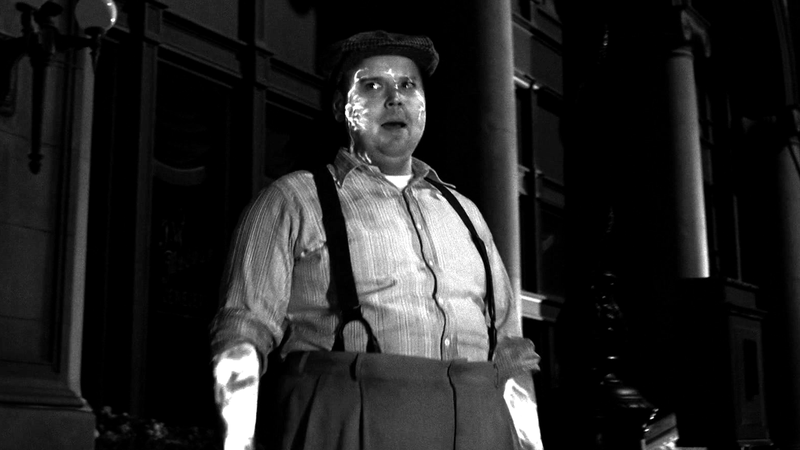
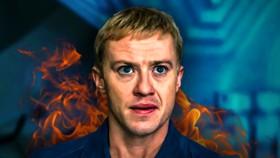
The Spider has to deal with Silvermane, Megawatt, Sandman, Lonnie Lincoln, and James Addison. The series packs some of the most formidable Spider-Man-related villains in one show. It doesn’t concern itself with setting them up step by step, as is typically done in the MCU. Spider-Noir has the freedom to bring in all these antagonists at once because it doesn’t have to worry about future or past films it’s supposed to be connected to.
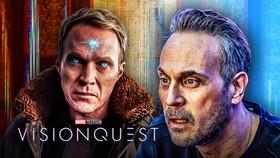
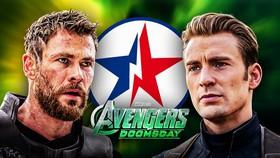
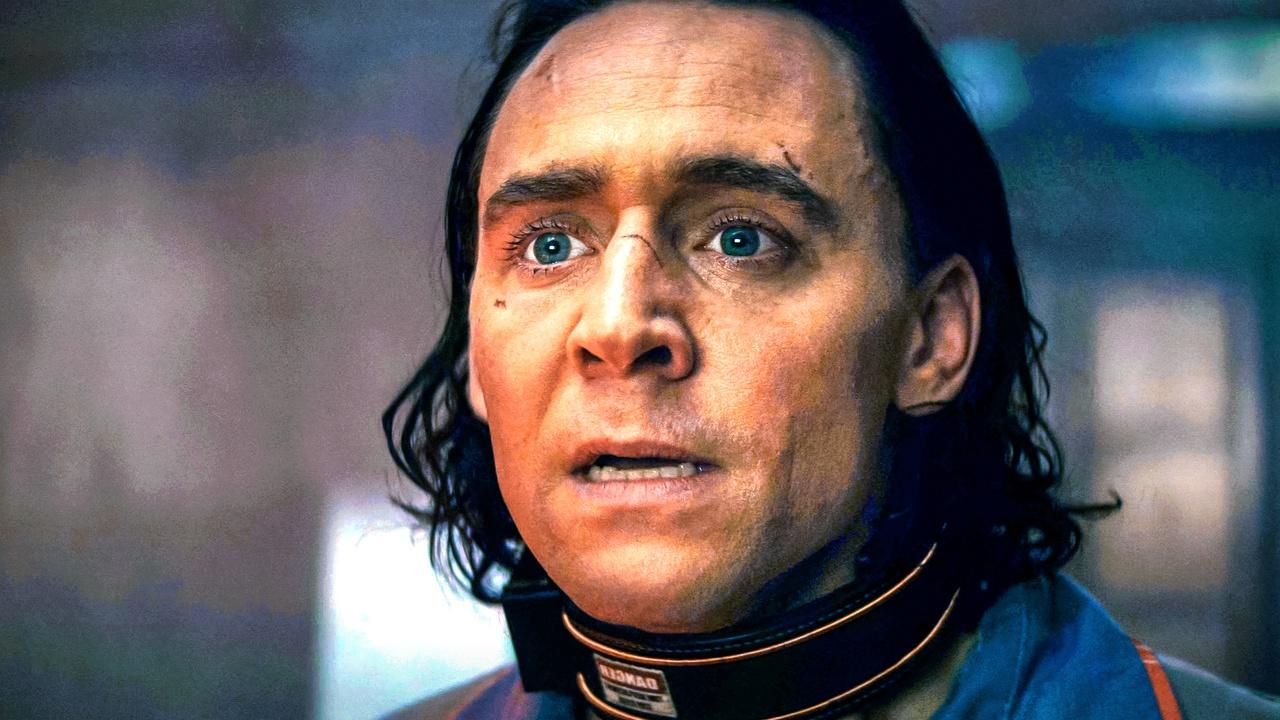
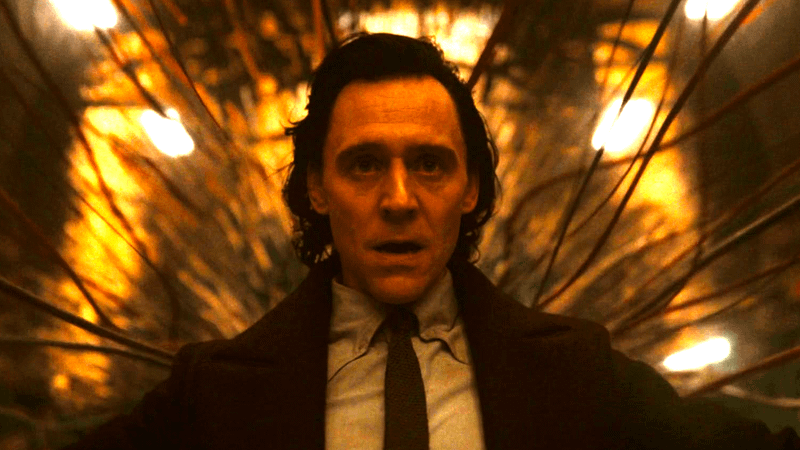
Don’t get it twisted: the MCU is amazing and has given us some of the most thrilling experiences in cinematic history, but it would be nice if it also explored other comic-book universes, free of the baggage that comes with a connected universe. Loki did this to some extent, but it focused on timelines rather than alternative realities and still had to be designed in a way that a bunch of MCU projects could easily draw from, including the upcoming Avengers: Doomsday.
Focusing Only on One Shared Universe Is Holding the MCU Back
Since 2008's Iron Man, the MCU has ballooned into nearly 40 films and dozens of series, almost all of them connected to the same reality. This web was an amazing pitch, and for a long period, it felt like a magic trick nobody else could pull off. However, it becomes a bit of a problem when every new project must answer to the bigger picture.
An MCU show typically inherits a long rulebook and can't change a major character's status without studio sign-off. The series has to take into consideration the rest of the universe and its future projects when making creative decisions. Its finale often doubles as a trailer for something else. Loki, WandaVision, and Secret Invasion all gave up screen time to plant seeds for future projects when they could have focused on their own stories instead. This can backfire, for example, as the WandaVision finale almost ruined such an incredible show.
A self-contained Marvel story can chase something weird because nothing downstream depends on the outcome. Spider-Noir can let people die, turn bleak, and end on its own terms. A flagship MCU series rarely gets that room because the universe always needs tending. Marvel tried self-contained storytelling with Wonder Man, and that show was beloved by many.
Wonder Man caught everyone off guard. It was so well-received that Marvel Studios was compelled to greenlight a second season. Something similar needs to be done with a show set in a different continuity altogether, a live-action What If...? of sorts. Marvel Zombies and What If...? pulled this off well, but sadly, a live-action Marvel Studios series has yet to receive a similar treatment.
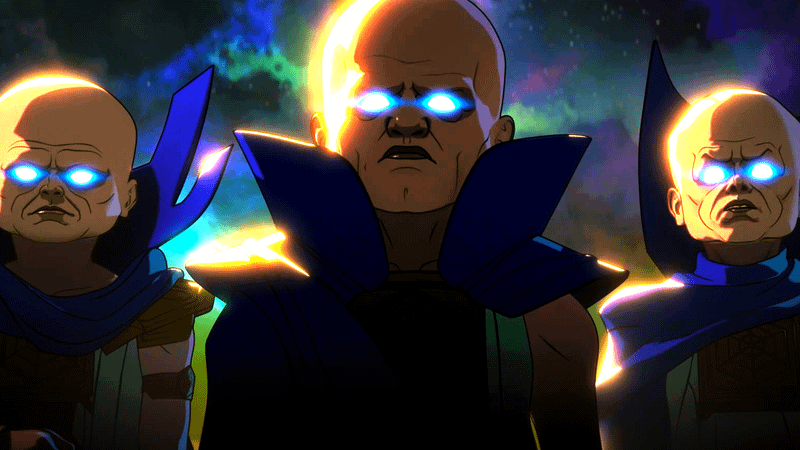
I expected the Multiverse Saga to do this since it's about, well, the Multiverse. This phase of the MCU promised other worlds and fresh versions of the heroes we already knew, realities none of us had visited. So why did so little of it actually happen somewhere new?
Most of the live-action Multiverse Saga stayed home on Earth-616, the MCU's main reality. Doctor Strange in the Multiverse of Madness slipped over to Earth-838 for a single act before hurrying back. Spider-Man: No Way Home pulled villains and variants into the regular world instead of visiting theirs. The closest any series came was Loki, and even that mostly wrestled with timelines rather than committing to a fully realized alternate reality, only flirting with the idea.
When Marvel finally did commit, with The Fantastic Four: First Steps and its retro 1960s world, the result showed what the concept could really do on screen, and it would be nice to see more Marvel shows explore such worlds. Television is a prime avenue to take more of these swings.
Streaming gives Marvel a lower risk threshold than a tentpole film, so it's not like it's the scariest creative direction to take. Imagine a live-action Disney+ series set entirely in one of those other universes, cut loose from the main timeline, the way Spider-Noir runs loose from the MCU. Some comic book stories are too complex for the MCU but deserve to be made. These stories would be perfect for a live-action Marvel Studios series, similar to Spider-Noir.
I love the MCU, I've followed it for the better part of two decades, and the thrill of watching dozens of story threads knot together in a big Avengers finale is real. None of that goes away, but watching this scrappy noir mystery made me realize that the shared universe could be so much better if alternative realities were explored much more, especially on TV.
Geraldo Amartey is a writer at The Direct. He joined the team in 2025, bringing with him four years of experience covering entertainment news, pop culture, and fan-favorite franchises for sites like YEN, Briefly and Tuko.