Marvel Studios spent the last decade evolving Bruce Banner, but in doing so, it quietly retired the character's most visceral trademark. While the Marvel Cinematic Universe (MCU) has seen the Hulk battle gods and save the universe, the franchise avoided showing his actual transformation on-screen for 13 years. The last time fans witnessed Banner’s body physically warp into the Green Goliath in real time was during the 2012 Battle of New York.
In The Avengers (2012), right before the iconic team-up shot of all the Avengers standing back to back with each other, Steve Rogers, Captain America, says to Dr. Banner, "Now might be a really good time for you to get angry."
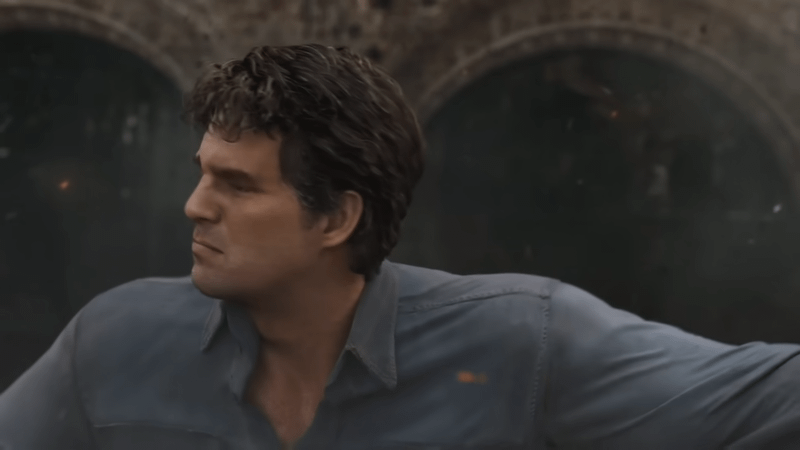
Banner then responds with his equally iconic line, "That's my secret, Cap. I'm always angry," before transforming into the Hulk to take down a Chitauri Leviathan. Despite being in 6 MCU movies and 1 Disney+ series after The Avengers, this is the last time we have seen Ruffalo's Banner transform into the Hulk on screen.
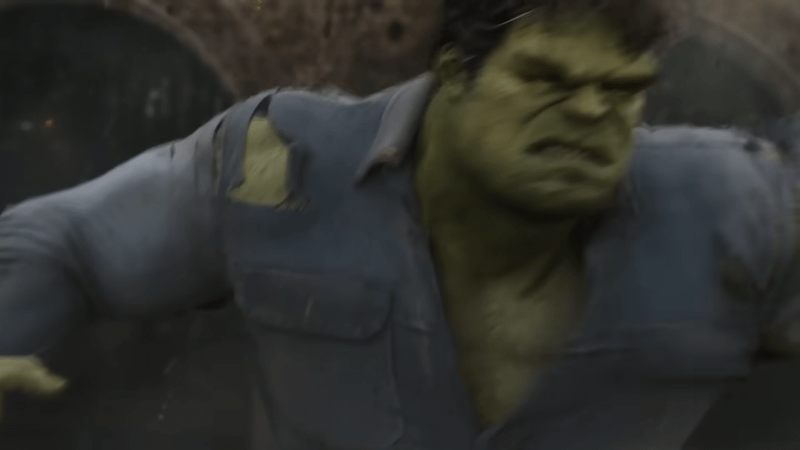
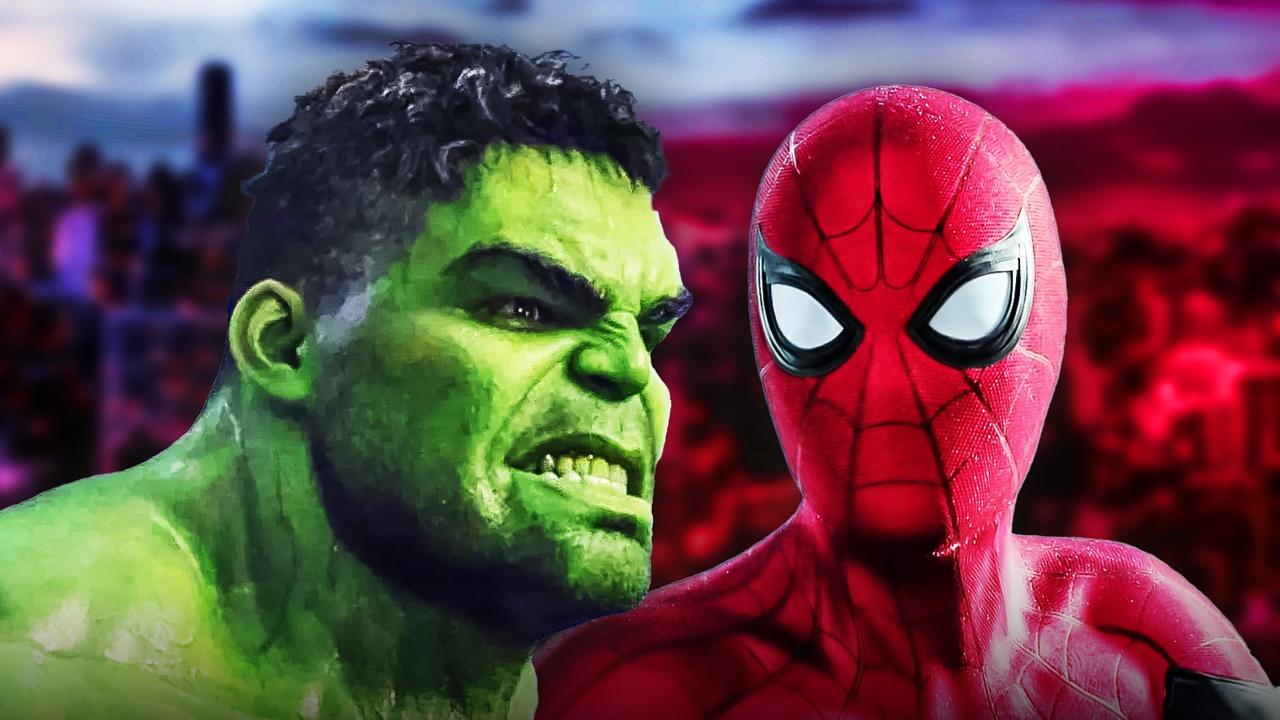
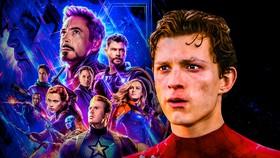
With Phase 6 now in its most exciting and concluding phase, Spider-Man: Brand New Day is in a position to finally break this streak. Recent reports suggest that the fourth Tom Holland-led film will not only feature Mark Ruffalo’s return but will also reintroduce a savage, uncontrolled version of the character that's been missing since the Smart Hulk era began.
The absence of on-screen transformations has been a subtle but persistent trend. In Avengers: Age of Ultron, Banner’s change in Johannesburg, South Africa, was obscured by the environment and happened off-camera after Scarlet Witch took control of his mind.
Thor: Ragnarok featured a jump-cut from a falling Banner to an off-screen Hulk transformation, and Avengers: Infinity War famously focused on Banner’s inability to transform at all. By Avengers: Endgame, the Smart Hulk transition had already occurred during the five-year time jump, leaving the physical horror of the change to the imagination.
This shift gave Banner a well-deserved journey toward inner peace. However, as the MCU moves toward the high-stakes conflicts of Phase 6, that peace appears to be fracturing. The Smart Hulk persona, while useful for exposition, stripped the character of the scary element that defined his early appearances.
Spider-Man Brand New Day Needs To Break Unfortunate Hulk Streak
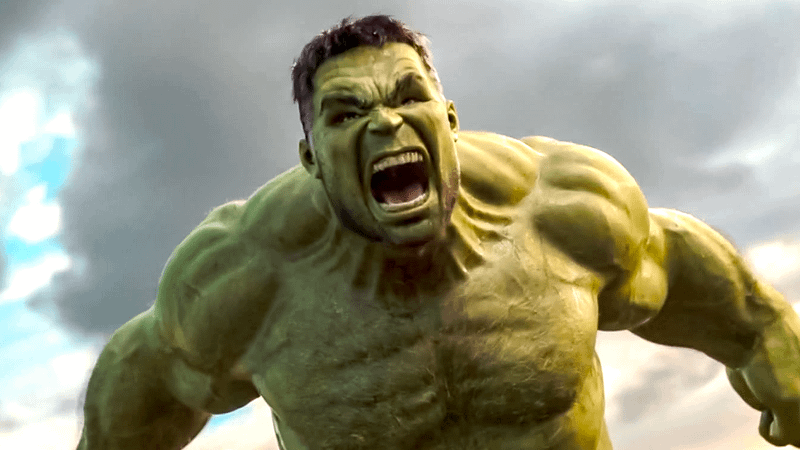
Spider-Man: Brand New Day presents the perfect narrative stage to shatter this streak of Banner transforming off-screen. Recent set photos from the film have shown a heavily injured Bruce Banner, which could be an indication of a gruesome Hulk transformation.
In Brand New Day, we could potentially see a Banner who is no longer in total control of his physiology. If the film intends to push the scarier version of the character, it's the perfect time to bring back his on-screen transformation.
A rampaging Hulk works best when the audience feels the transition from man to monster. By placing Banner in a high-stakes, street-level environment like New York City, the film can utilize the transformation to create genuine tension.
Watching Bruce Banner lose the battle against his inner demon in a crowded city square, bones shifting and skin stretching in real-time, would immediately re-establish the Hulk as a formidable, unpredictable force.
The return of a savage Hulk would serve a larger purpose within the current MCU landscape. In Avengers: Doomsday and Secret Wars, the heroes need the raw, unbridled power of the classic Hulk.
Why Has the MCU Avoided Showing Hulk’s Onscreen Transformation for So Long?
From a production standpoint, a full, detailed transformation of Bruce Banner into the Hulk is one of the most expensive and time-consuming sequences to animate. It requires hyper-realistic CGI to depict skin stretching, bones snapping, and muscle mass expanding in a way that looks grounded. By utilizing quick cuts, Marvel maximizes its budget for large-scale battle sequences rather than focusing on the intimate, grotesque biology of the character.
Beyond the cost, there is a tonal shift to consider. The early MCU leaned into the body horror aspect of the Hulk, drawing inspiration from classic werewolf cinema where the change is a painful, involuntary curse.
As the franchise grew more family-friendly and focused on team dynamics, the sight of Bruce Banner’s anatomy rupturing became too dark for the desired aesthetic. Marvel simplified the process into a quick camera pan to keep the pacing brisk and the tone heroic.
Finally, the technical complexity of blending Mark Ruffalo’s performance with the Hulk’s physique creates a VFX bottleneck. Animating a static Hulk is difficult, but animating the transition, where human pore detail must seamlessly morph into gamma-irradiated muscle, demands a level of computing power that makes it even more tedious.
Avoiding these scenes allows the studio to maintain a consistent look for the character without risking a jarring, low-quality visual that could break the audience's immersion. However, if there is any studio on earth with the budget and resources to do this consistently, it's definitely Marvel Studios, and bringing back his on-screen transformation will be a much welcomed readdition.

Geraldo Amartey is a writer at The Direct. He joined the team in 2025, bringing with him four years of experience covering entertainment news, pop culture, and fan-favorite franchises for sites like YEN, Briefly and Tuko.