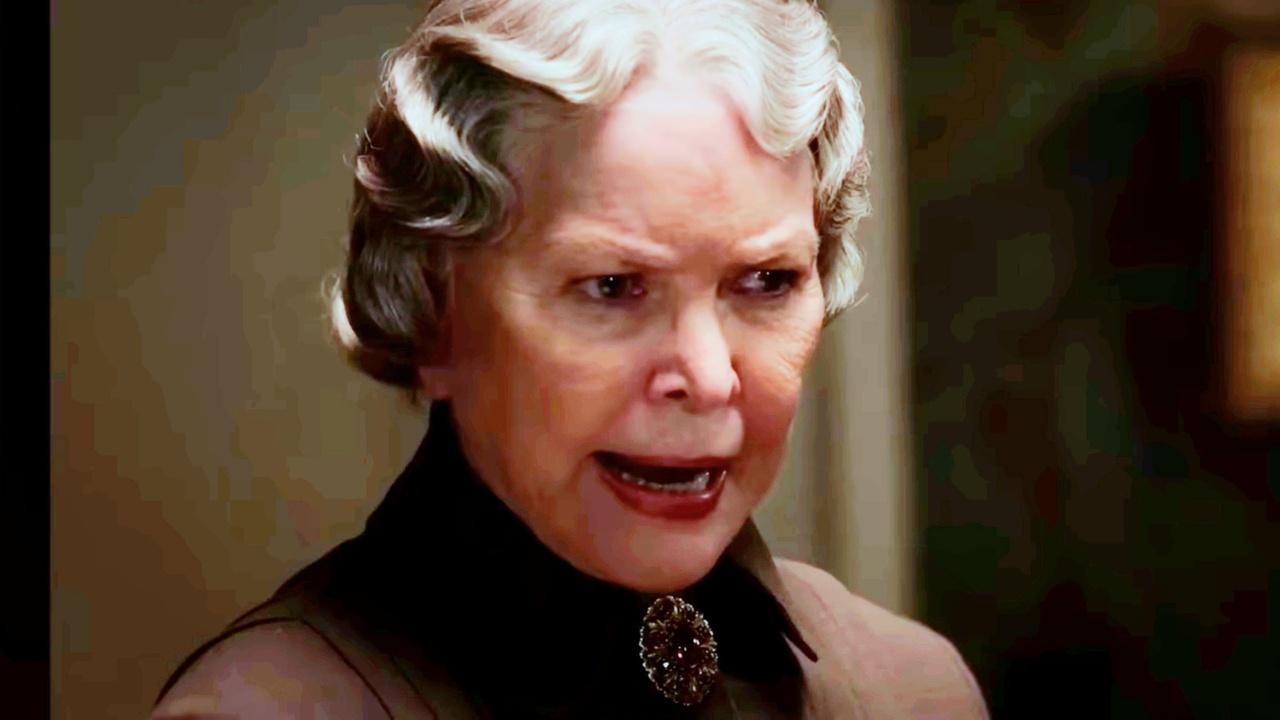
Flowers in the Attic explained why the grandmother was mean: it was for this disturbing reason. The 2014 gothic horror film, based on V.C. Andrews' 1979 gothic novel, follows the four Dollanganger children (Cathy, Chris, Cory, and Carrie) as they move with their mother, Corrine, to her wealthy parents' mansion, Foxworth Hall.
At the core of the story's mystery is Corrine's religious mother, Olivia Foxworth, and the reason why she and her daughter decided to hide the children in a locked room (similar to the premise of Corporate Retreat but without the killings) connected to a decaying attic. The "few days" turn into years of isolation, neglect, and abuse.
Flowers in the Attic was added to Netflix on June 15 and has been surging in popularity with U.S viewers in recent days, hitting #2 on the streamer's Top 10 TV Shows charts in the states.
Why the Grandmother Was Mean in Flowers in the Attic Is Due to This Disturbing Reason
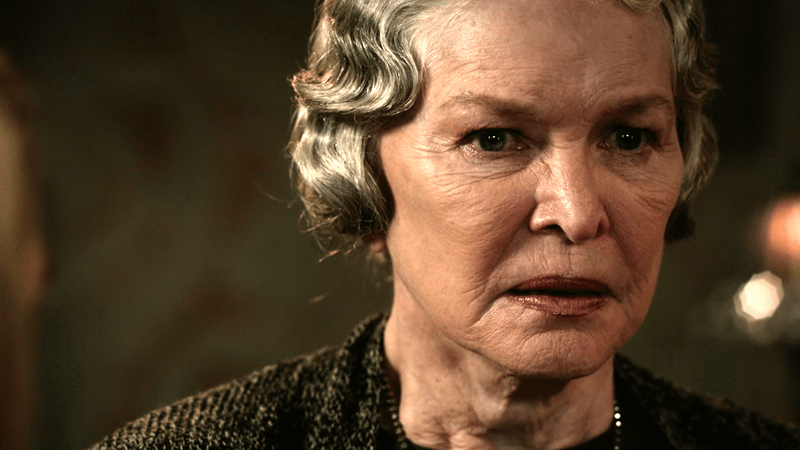
Flowers in the Attic established Olivia Foxworth's harsh treatment of the four children. Aside from locking them inside a room, Olivia subjected them to starvation, whippings, and psychological torment, stemming directly from one disturbing reason tied to their parentage: the children are the products of incest.
The children's mother, Corrine, promised that the stay at Foxworth Hall would only be temporary while she tried to regain her estranged father's favor and inheritance. Olivia unpacked the family's dark truth. As it turned out, Corrine had eloped with her half-uncle, Christopher (her father Malcolm's half-brother). The incestuous union produced the "beautiful Dresden doll" children, whom Olivia branded as "devil's spawn," deeming them as evil from the moment of conception, an abomination in the eyes of God.
Olivia saw the children not as innocent grandchildren, but as living proof of her daughter's unforgivable sin against God. Olivia's twisted belief led her to believe that the children embodied corruption that needed to be contained, punished, and eventually erased from the world.
Olivia's actions followed a twisted logic rooted in her religious beliefs and disturbing worldview. The children's confinement to the attic isn't just a punishment; it serves as a spiritual quarantine, a desperate attempt to contain what she sees as pure evil before it can spread and corrupt the rest of the Foxworth bloodline.
The children's golden hair, perfect features, and "Dresden doll" beauty only make them more dangerous in Olivia's eyes. What makes it worse is that she believes the children could tempt others to do the same (which is honestly messy and hysterical).
Why the Attic Becomes More Than a Prison in Flowers in the Attic
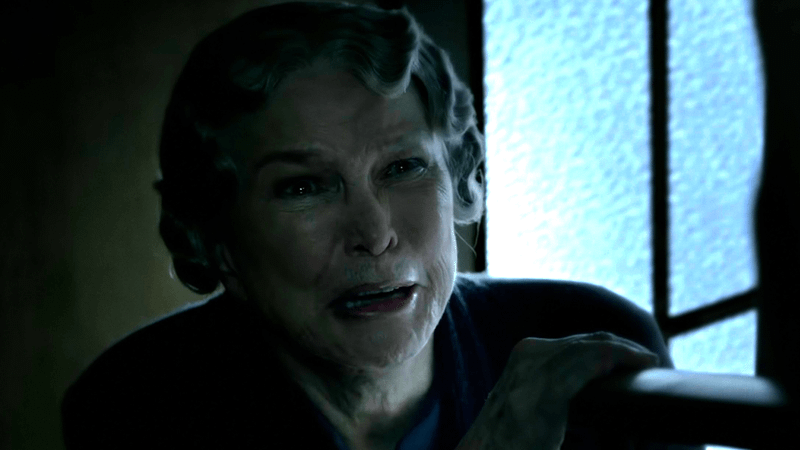
The attic serves more than just a prison in Olivia Foxworth's perspective in Flowers in the Attic.
By locking them away from the world, Olivia sees it as isolation as purification, meaning that she prevents their tainted blood from contaminating the Foxworth name. The dusty attic is meant to humble them, stripping them of any illusion of worthiness.
As Cathy and Chris, the two eldest children, enter adolescence, Olivia, as a grandmother, became hyper-vigilant about any physical contact or emerging sexuality between them, believing that it could repeat the same sinful cycle that their parents had in the past. Olivia decided to imbue them with constant Bible readings, warnings about eternal damnation, and brutal punishments to prevent the repetition of the original incest.
Olivia framed her cruelty as a righteous duty, with her making them suffer for their parents' own sin. In her twisted mind, if the children repent and embrace her religion, God might forgive the Foxworth family. This brutal mindset turned Olivia into a monster, with her actions tied to one thing: the children should never have been born.
Olivia's Own Actions Created Her Worst Nightmare In Flowers in the Attic
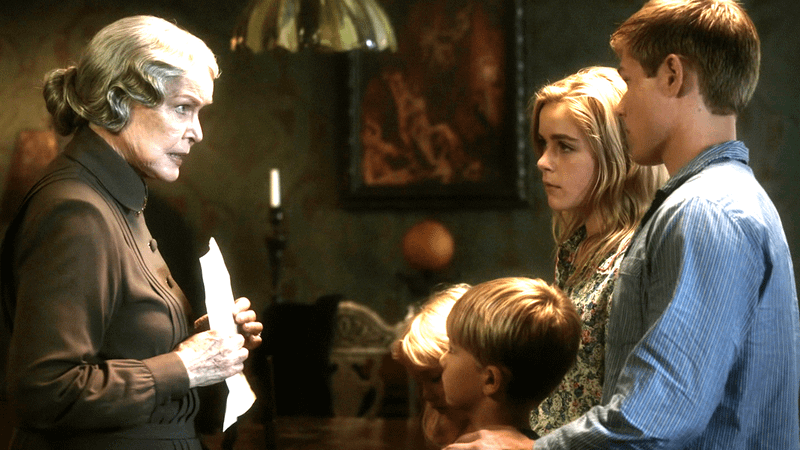
The greatest horror in Olivia Foxworth's plan of obsessive repression is that it helps create the very "sin" she feared.
By forcing Cathy and Chris into total isolation with no other human contact for years, she unexpectedly ensured their bond became unnaturally intense. The forbidden romance between the siblings became a self-fulfilling prophecy of damnation, brought about by Olivia herself.
The attic became Cathy and Chris' entire world, where they shared secrets, dreams, fears, and even cuddled together for warmth and reassurance. The isolation intensified their bond into something far deeper than normal sibling affection.
Olivia's constant warnings about sin and damnation planted the idea of forbidden desire in their minds. By treating their natural development as monstrous, she made their emerging feelings feel both inevitable and, in a twisted sense, tragically romantic. If anything, the grandmother's nightmare became reality inside the prison she built.