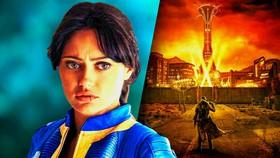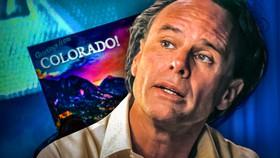
Mr. House is one of the exciting new characters appearing in Fallout Season 2, and he has a little-known connection to Marvel's Tony Stark. Robert House is one of the core characters in Fallout lore, known for appearing in the popular Bethesda game installment, Fallout: New Vegas. In Prime Video's TV adaptation, House is making his way to a regular on-screen villain role in Season 2.
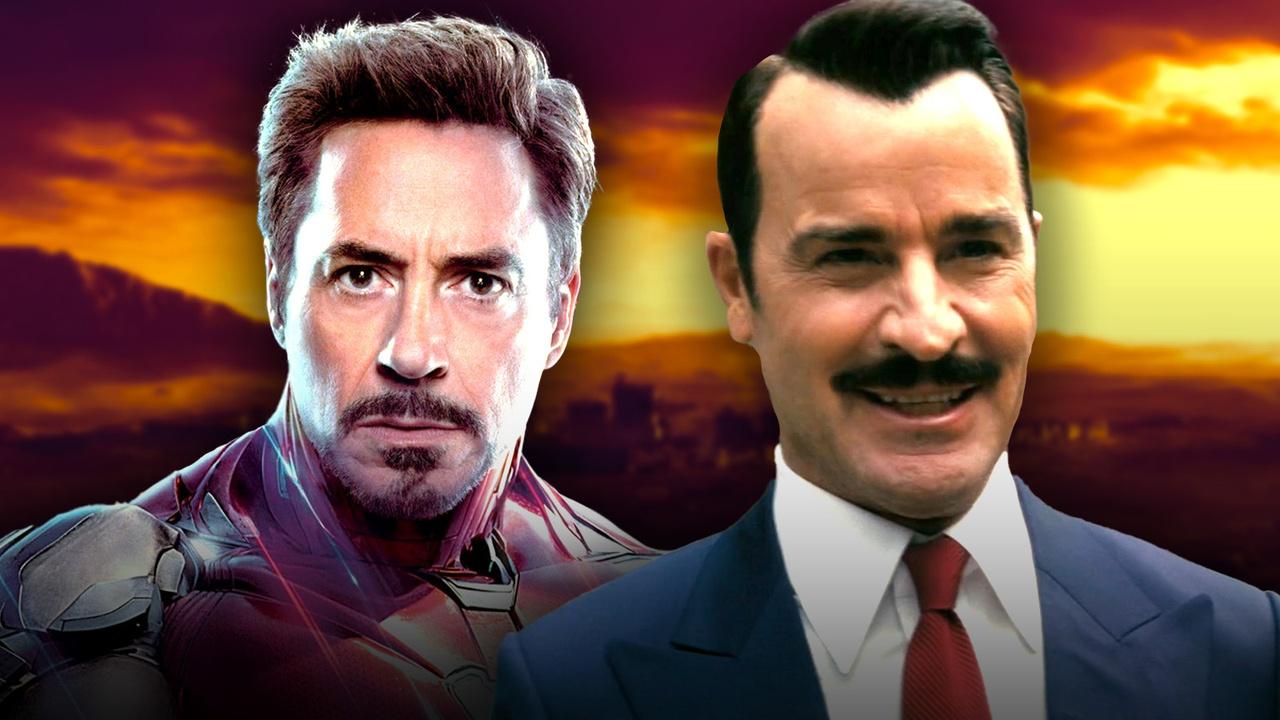
Mr. House was first seen in Season 1, played by Rafi Silver, who was representing RobCo Industries at the meeting with Vault-Tec in the finale, where the group collectively decided to drop the nuclear bombs that ended the world in Fallout. With the series heading to New Vegas in Season 2, House's well-known stomping ground, Justin Theroux was cast to play the character in his expanded role.
Robert House is known in the Fallout world for being an enigmatic billionaire and celebrity. He is also an innovator and inventor, responsible for creating advanced robots that launched RobCo to the top. In the first episode of Fallout Season 2, it's revealed that the character was quite unpopular with the working class, as his workers are shown striking and rebelling against his policies.
From the outset, Mr. House's enigmatic, billionaire, playboy persona may seem quite similar to that of another fictional billionaire, playboy, and philanthropist: Tony Stark. A connection between the two characters confirms that they are cut from the same cloth.
Fallout's Mr. House Has a Stark Marvel Connection

It has become a well-known fact that Marvel's Tony Stark was inspired by the real-life figure of Howard Hughes, an American aerospace engineer and business mogul. Marvel Comics legend Stan Lee, the mind behind Tony Stark, told Talk of the Nation in 2010 that he wanted to go against the typical superhero persona by trying to make people appreciate "a Howard Hughes character," and he achieved this by adding "a sense of humor and a little bit of tragedy:"
"Actually, with Tony Stark, what I was really trying to do, I always liked reading about Howard Hughes. And I thought it would be fun to get a superhero who went against the popular notion of what the superhero fans wanted. Most of our readers didn't like wealthy people or industrialists or people who made war materials and so forth. And I thought it would a challenge to make them like a guy like that. So I made him, as much as I could, like a Howard Hughes character, but with a sense of humor and a little bit of tragedy thrown in."
Similarly, for Fallout Season 2, the creatives aimed to portray Mr. House as a Howard Hughes-type figure. The inspirations of Hughes' speech and persona are immediately clear in Mr. House's character. Still, Fallout co-creator Geneva Robertson-Dworet told Screen Rant they also wanted to draw on Hughes' "bizarre recluse" aspects:
"Hughes became an increasingly bizarre recluse over the course of his life... We wanted to play House as someone who is constantly playing tricks on the world, and was maybe somewhat scared to go out because, think of what a targeted man he is."
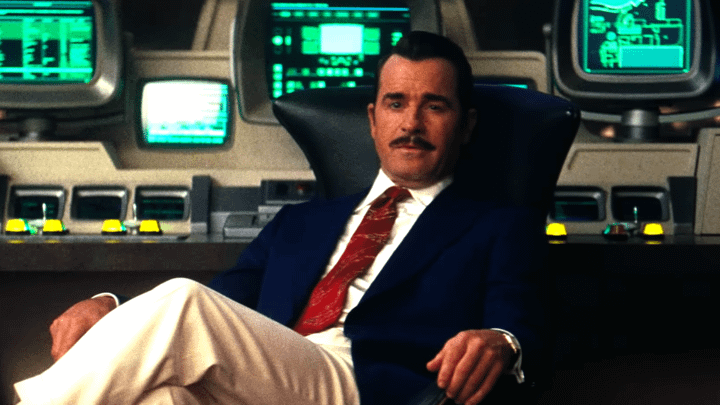
Mr. House's live-action actor, Justin Theroux, reiterated that his character was inspired by Hughes, as well as "radio announcers, newsmen, and people who had that specific dialect." He added that the character isn't based solely on Hughes and is a reflection of "any number of billionaires that currently exist."
In this way, Mr. House also reflects the MCU's more modern interpretation of Tony Stark, who has evolved from Stan Lee's original depiction of him in the comics. Where Lee aimed to make Tony Stark a Hughes figure in the comics, in the MCU, it was his father, Howard Stark, who reflected Hughes' personality more.
Meanwhile, Tony was more akin to a modern-day billionaire, and Iron Man screenwriter Mark Fergus openly confirmed in a New York Magazine interview that Elon Musk, Donald Trump, and Steve Jobs all served as inspirations for the MCU character played by Robert Downey Jr.
The connections between Robert House and Tony Stark are clear, as both draw inspiration from Howard Hughes. However, they also draw from different aspects of his personality, making them distinct characters from the real-life figure.