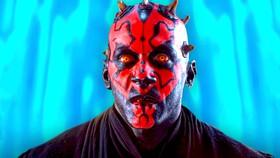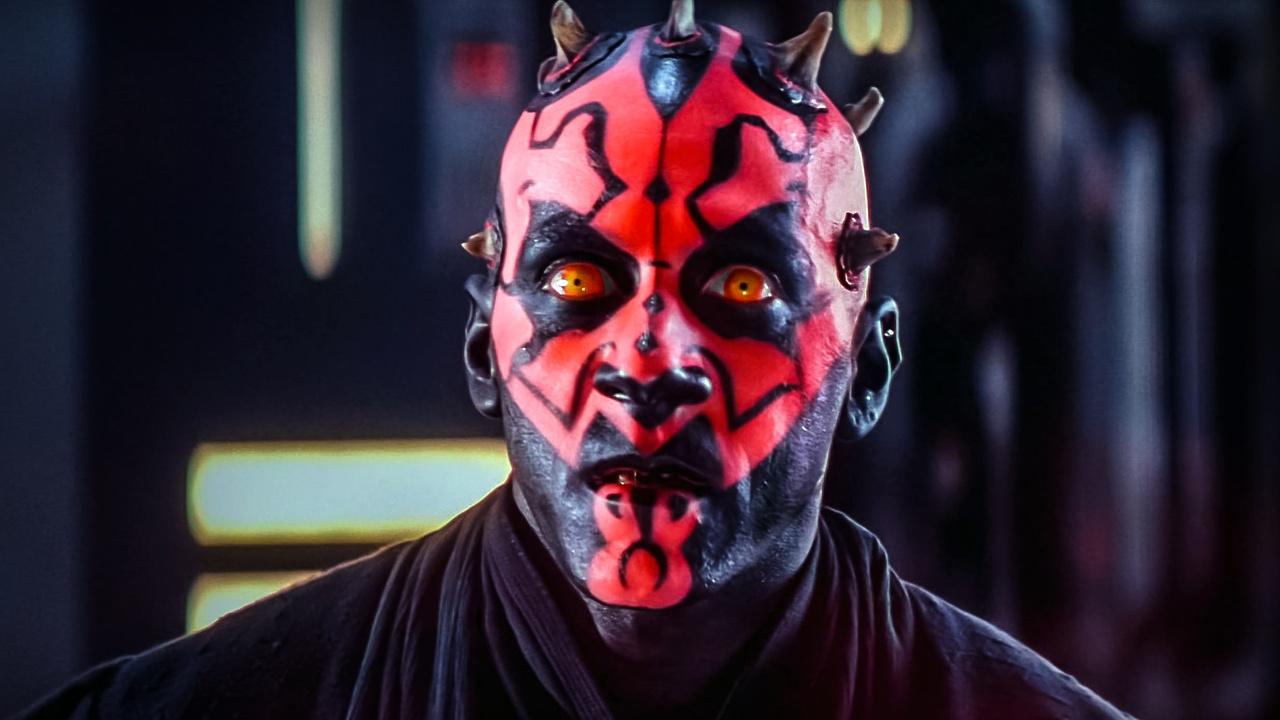
For the first time in Star Wars history, Maul was shown on-screen as a child in Maul - Shadow Lord, and it led a lot of fans to feel pity for him, despite all the heinous acts he had performed over the years. When Maul - Shadow Lord was announced, there were mixed reactions to its existence. Most people thought that it would be a simple animated series that would follow Maul after the end of the Clone Wars and before his appearance in Solo: A Star Wars Story. But the action and criminal underworld plot took a back seat to the show's real purpose: a deep character study of one of Star Wars' most ruthless and cold-blooded villains.
In Season 1, Episode 8 of Maul - Shadow Lord, writer Jennifer Corbett, series creator Dave Filoni, supervising director Brad Rau, and director Saul Ruiz gave Star Wars fans something that has never been seen before: a window into Maul's past. Specifically, the episode featured visions and/or flashbacks of Maul as a child. Notably, Maul never appeared as a child in any other Star Wars titles he has been a part of, such as The Clone Wars, Star Wars Rebels, and The Phantom Menace, so this was a historic moment for a character who has been around for 27 years.
Maul's Visions of His Child Self Explained
Maul saw a younger version of himself three different times throughout Episode 8 (titled "The Creeping Fear"), and each instance was hard to sit through.
After fighting two Inquisitors named Marrok and the Crow, Maul escaped by jumping off a ledge and falling a great distance. Because his leg was injured, Maul seemed to be greatly affected by the jump, and it appeared as though it even knocked him out.
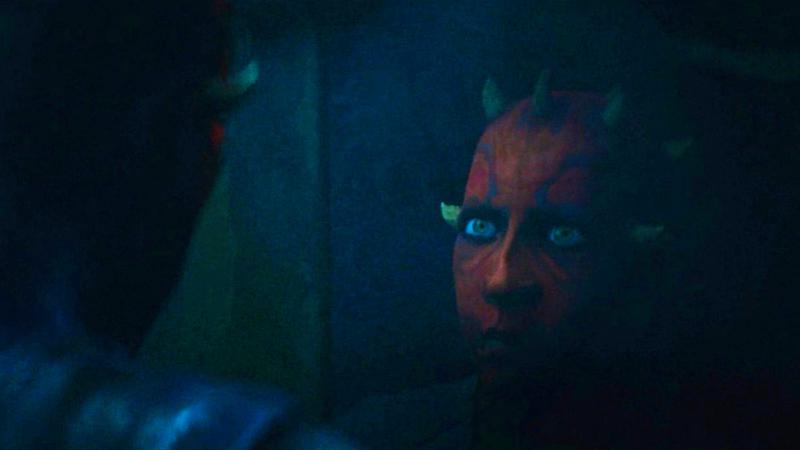
When he first woke up after the fall, Maul stared down into a pool of water. Seconds later, the reflection of his face changed from the current version of Maul to a version of him when he was extremely young. As mentioned, this was the first time a young version of the character had appeared on-screen.
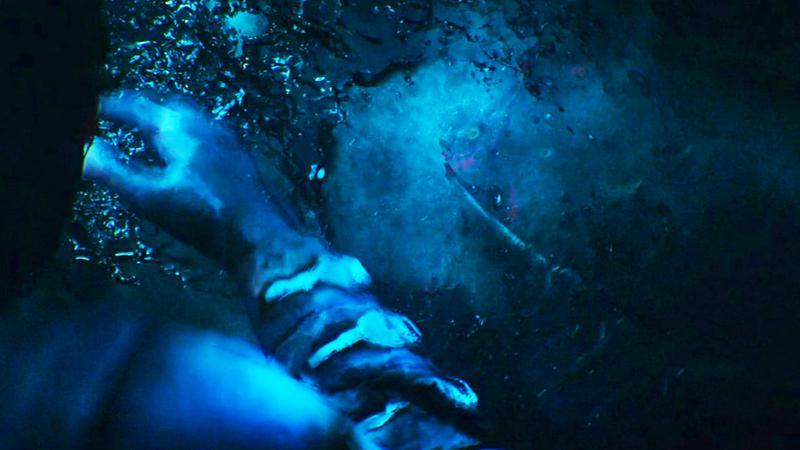
As soon as Maul saw his younger self, he said, "I hate you," and splashed the water. As the ripples faded and the reflection became clear again, the younger version of Maul was gone.
That single line of dialogue added weight to Maul as a character and gave him even more layers than before. Maul has always been a cold-blooded killer who seemingly didn't have a soul, but that one moment proved that he is just as tragic as other broken characters.
Maul was telling his younger self that he hated him because, deep down, Maul wished that, as a child, he would have never left his family and the Zabraks to go with Darth Sidious. He understood that Sidious was the cause of every ounce of pain he had ever felt and the reason that he was in such a bad mental state throughout nearly all his life.
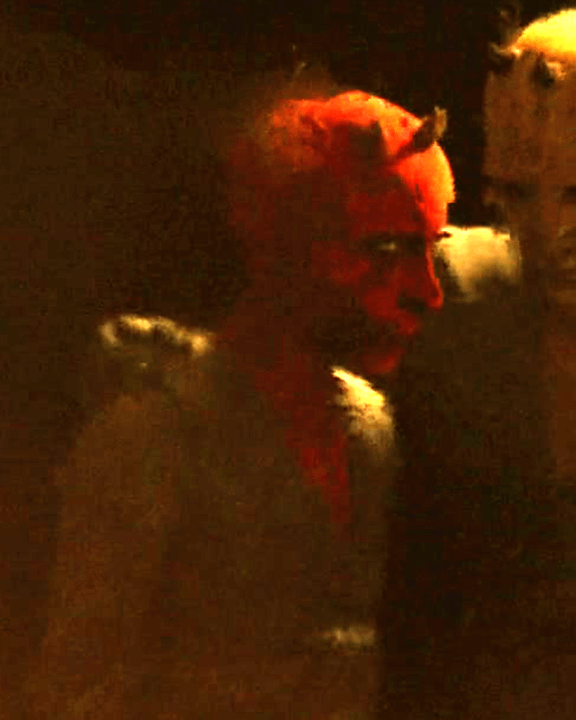
A few scenes later, Maul showed up again, still alone and trying to escape the trenches of Janix. This time, Maul had another vision; one that appeared more vivid to him and one he couldn't swipe away. This scene contained a montage of moments from Maul's past, but they had been changed. What Maul saw wasn't what actually happened. Instead, it was his subconscious's remembrance of them, and they had been altered because of the trauma he endured.
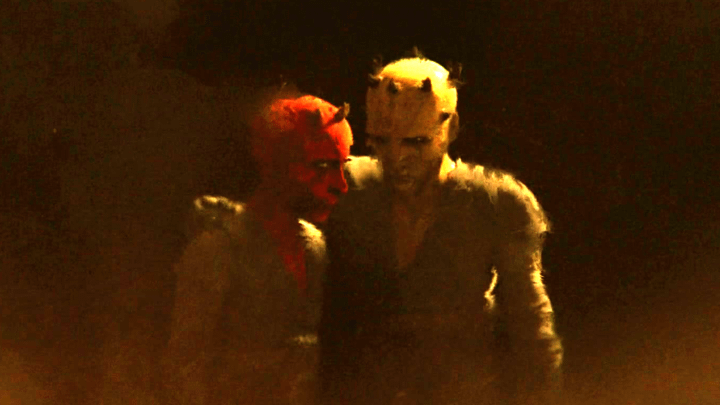
However, in that vision/flashback, Maul saw his younger self again. This time, he was with his brother, Savage Opress. The real version of Maul was surprised to see his brother, but as soon as Darth Sidious showed up in the vision, Maul quickly realized that he was looking at the moment in time when Sidious ripped him away from his family and took him.
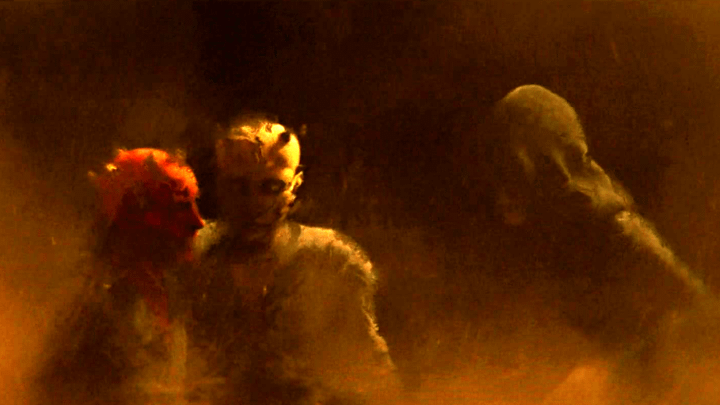
When Sidious popped up, Maul fearfully and angrily said, "No, no. Sidious." In the vision, as Sidious was leading Maul away from Savage, the real Maul had to turn his head away. Seeing such a tragic moment in his life being replayed was too much for him to bear.
Seconds later, the young Maul appeared again, now training with Sidious. Training is a generous word for what was going on in the flashback, as it was essentially Sidious torturing Maul by hitting him with Force lightning. Once again, Maul had to turn his head away from the vision, proving that he dealt with an overwhelming amount of childhood trauma.
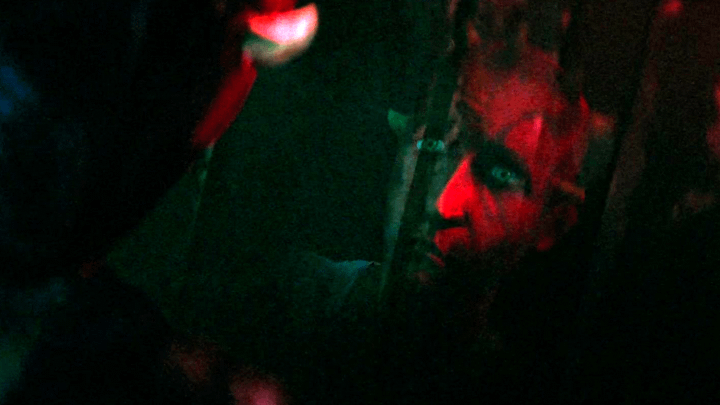
Toward the end of the episode, a young Maul appeared one more time. Similar to the beginning of the installment, Maul found himself looking at his reflection in a small puddle of water. The young Maul looked back at the real Maul once again. This time, Maul stared at him for a moment, instead of instantly swiping the water away.
In a tough and heartbreaking moment to witness, despite Maul being a ruthless villain, the young Maul simply said, "I'm sorry." Interestingly, it also seemed as though the real version of Maul apologized to his younger self. Maul didn't respond with anger. Instead, as he saw his younger self begin to cry, he cried as well and responded with, "It's all right. It's all right. I won't let him do this to anyone else."
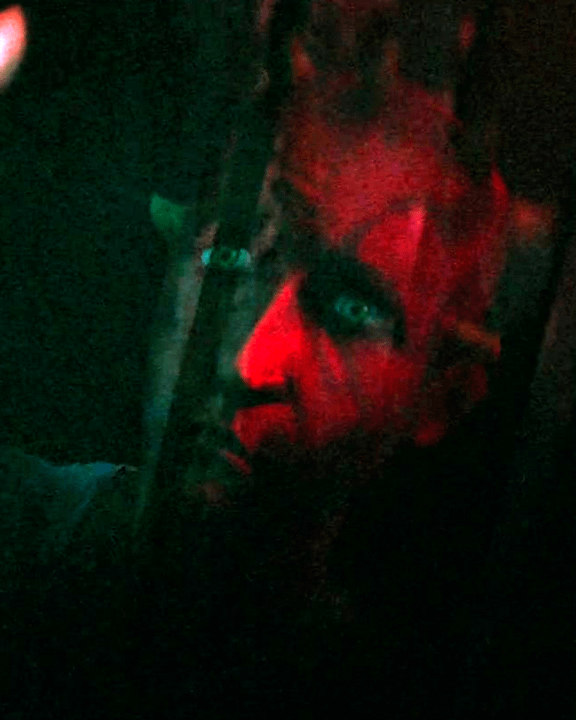
This was just as important to Maul's character arc as any moment he has been a part of in any other Star Wars project. Throughout one episode of television, Maul went from hating himself (even the child version of himself) to realizing that it was never his fault. His telling his younger self he was sorry and accepting the apology from the child version of himself showed significant growth in his character. It was the first step that he took toward self-forgiveness, and it ultimately gave him the strength to pull himself up and live to fight another day.
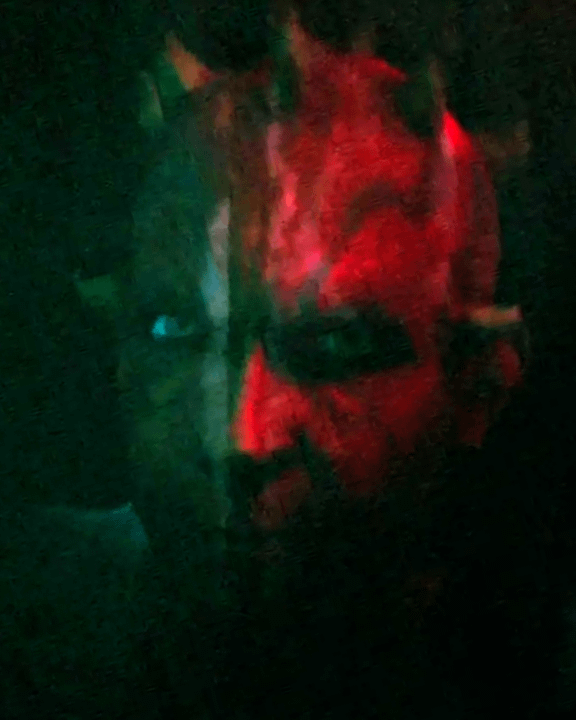
There was an interesting moment in that last scene where the reflection of Maul's face started changing from his younger self back to his older self. For a second or two, both versions of himself merged, making him look young and old at the same time. Essentially, this symbolized that he had finally come to terms with his decisions and no longer blamed himself for what happened to him.
As mentioned, this is the first time a child version of Maul has appeared on-screen. However, Maul was seen as a child in canon before. Specifically, he was shown as a boy in a comic book.
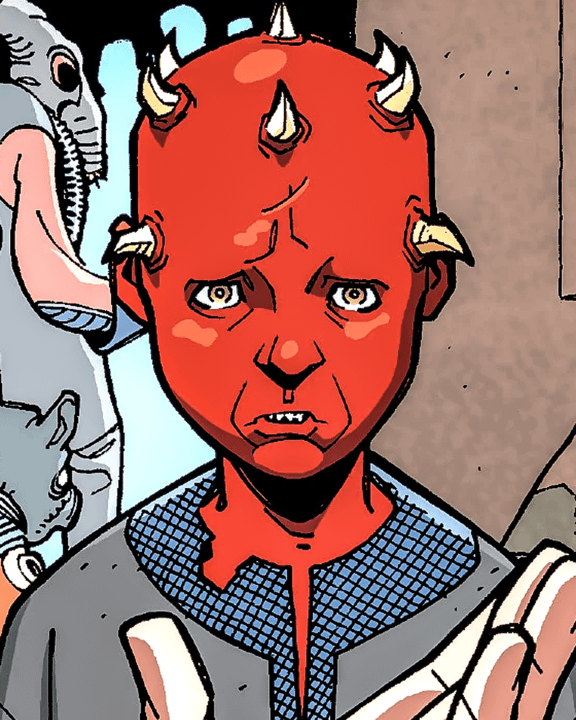
Multiple canon comic books, such as Darth Maul and Son of Dathomir, explore Maul's origins and his childhood. However, in those instances, he looked even younger than he did in Maul - Shadow Lord.
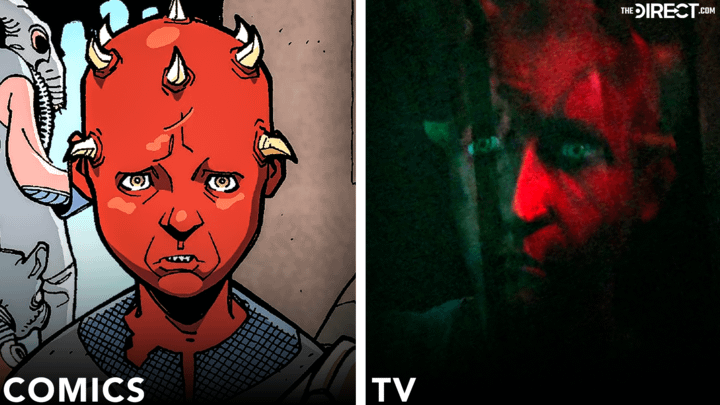
A young version of Maul showing up in Shadow Lord wasn't just a cool cameo or a "wow" moment. The inclusion of young Maul catapulted the story of Shadow Lord and Maul's character arc forward by a mile and gave him much more depth.
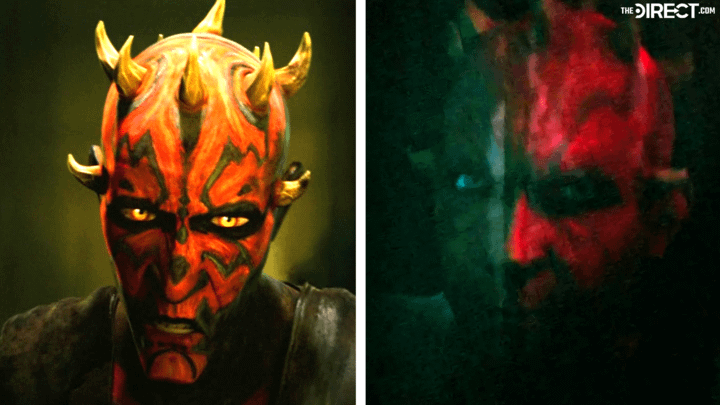
Shadow Lord did a fantastic job at humanizing Maul and making him a sympathetic character. Now, he is definitely not a hero and hasn't redeemed himself, as throughout the rest of Shadow Lord, he still did some evil things (such as Force-pushing Master Daki toward Vader so that Daki could be killed), as well as in Star Wars Rebels.
The visions and the inclusion of young Maul simply made him more layered and added a bit more gray to his character as a whole, rather than the show portraying him as a straight-up heartless villain.