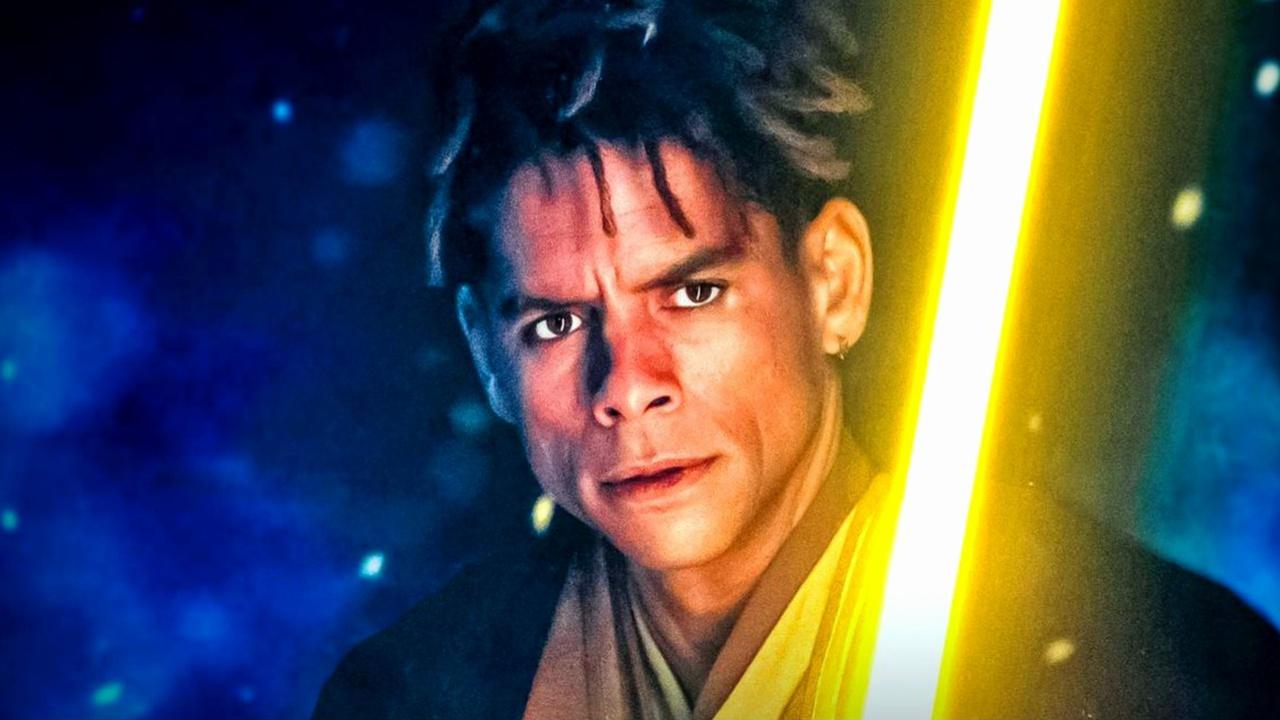
The Acolyte creator and showrunner, Leslye Headland, finally came forward and admitted that the Disney+ show had one major flaw, particularly regarding its release on the streaming platform. Star Wars fans had high hopes for The Acolyte, mostly due to its High Republic era setting and the fact that it was going to bring a new story to the table, not connected to the Skywalker Saga. Unfortunately, the show didn't pan out the way many wanted, and it was quickly cancelled by Disney after it received harsh backlash and demanded an extremely high budget.
In the most recent issue of Empire Magazine, The Acolyte showrunner Leslye Headland gave a brief quote about the Disney+ show's release in 2024, essentially admitting that there was one major problem with the way the series was given to fans. Since The Acolyte's release, Headland has stood firm in defending her creative decisions throughout its eight episodes and has made it clear that she had specific plans for the show to continue.
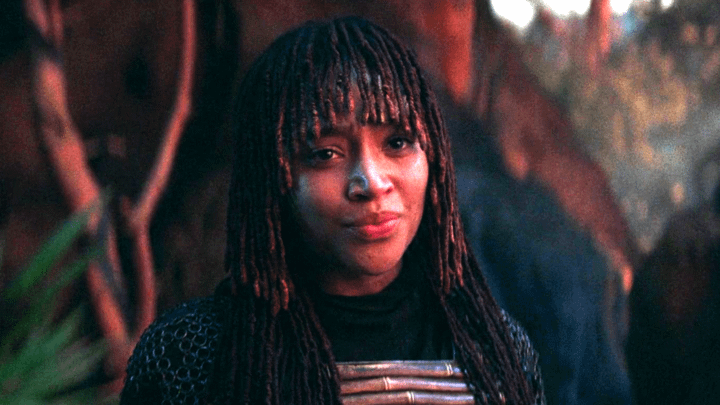
Empire Magazine took a look back at The Acolyte in that latest issue, where it pointed out that all eight episodes are now available to be binge-watched consecutively with no interruptions. Notably, Headland revealed that the series having a binge-release was always her vision, and that she created the show for all of the episodes to be watched back-to-back in one or two sittings, as opposed to fans receiving one episode per week.
Specifically, Headland simply stated, "It was designed that way," when talking about how Disney+ subscribers can now watch all eight episodes at the same time.
For reference, during The Acolyte's initial release, Disney+ released the first two episodes on the same day, and then one episode per week came out after the debut.
Headland didn't comment on what went into the decision to make the show's release schedule one episode per week, but considering she admitted that her original vision for the show was for all of the episodes to be released at once, the most likely scenario is that Disney mandated that weekly release schedule. All of the other live-action Star Wars shows on Disney+ have historically released one episode each week, so Disney likely didn't want to abandon that strategy just for The Acolyte.
Essentially, Headland is saying that The Acolyte's release schedule definitely hurt its performance in the long run, and that fans may have been a bit kinder to it if they had been able to watch it the way she intended.
Now, it is impossible for fans to know for sure whether a binge release would have made the series better, because it's not like they can go back and watch all eight episodes in one sitting without going into it with preconceived notions they made from when they originally watched it. For instance, if a fan watched one episode per week when it was first released, it would be extremely difficult, or even impossible, for them to go back and watch every episode consecutively without any bias from the first time they viewed the show.
However, it is interesting to look back at the series and examine some of the issues many had with it, and at least theorize if it would have indeed worked better with a binge release.
Would The Acolyte Have Been Better With a Binge Release?
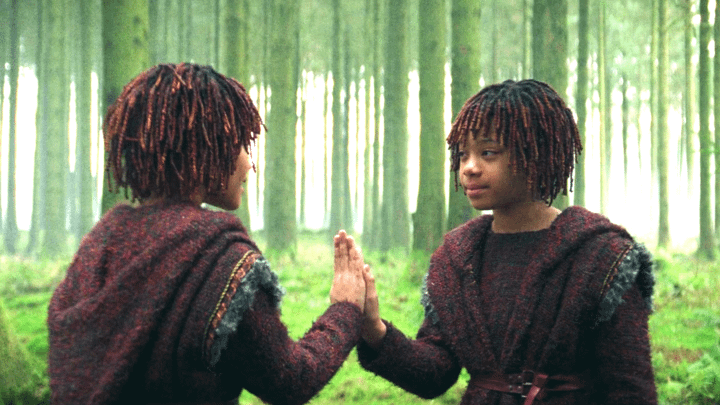
Like many streaming shows that come out today, The Acolyte was essentially one long story split up into different installments. One reason that some shows nowadays are released in a binge style is that there really isn't a beginning and an end for each episode, since all plot lines and character arcs bleed into each episode.
For example, since The Mandalorian is another Star Wars show, it is a good title to compare to The Acolyte. The Mandalorian works much better as a weekly release TV show because, while it does have plot threads that spread across the entire season, most of the episodes come across the same way traditional TV shows did in that each episode clearly has a beginning and an end, and a major conflict is set up and resolved all within one episode.
Some have criticized The Mandalorian for that and called it a "mission of the week" show, but that format does allow it to work better for a weekly release schedule than something like The Acolyte, which began its plot and conflict in Episode 1 and didn't resolve it until Episode 8. In other words, The Acolyte was set up like a movie, and one would have to assume that it would have worked better as a binge release, and there are other reasons why besides that one.
Reveals Would Have Felt More Natural
The Acolyte had a lot of plot twists and major reveals, such as Osha and Mae's backstories, Qimir's past as a Jedi, and the Jedi's involvement in The Brendok Massacre. If all eight episodes of The Acolyte had been released at the same time and fans got to see every episode back-to-back, those reveals would have likely felt more natural, and fans would have had all of the evidence leading to those reveals still fresh in their minds instead of having to remember all of the set-up from week to week.
Better Pacing
Bad pacing has been an issue in essentially every live-action Star Wars series on Disney+, and The Acolyte is no different. Essentially, the pacing often felt choppy, as plotlines would come to a screeching halt at the end of episodes and then immediately pick up in the next episode, which wouldn't have come out until a week later.
Episode Runtimes Wouldn't Have Mattered
Something else about The Acolyte that would have been better if it had been a binge release is the episode runtimes. The Disney+ show included episodes that were as short as 30 minutes and as long as 46 minutes, and everything in between, so watching week-to-week made the show feel uneven, but that wouldn't have been an issue if all of the episodes were available to watch all at once.
Fan Reactions Wouldn't Have Impacted the Show
Something that hurt The Acolyte, maybe more than anything else, was the discourse surrounding the show and the fact that, after every episode, fans would get on social media and completely trash it. With the one episode per week release strategy, this allowed viewers to become increasingly influenced by this discourse, which then led to the hate compounding week after week. If it had been a binge release, fans wouldn't have had as much time to come up with criticisms, and the general audience wouldn't have been as influenced by the talk on social media.