For decades, Star Wars did not do post-credits scenes at all. The franchise’s endings were definitive, emotional, and rarely interested in dangling teases for future projects. That philosophy began to shift once Lucasfilm entered the streaming era. Post-Sequel Trilogy, Star Wars took a page from Marvel Studios’ book, utilizing stingers as storytelling tools to varying degrees of success.
Across Disney+, animation, LEGO specials, and even video games, Star Wars has experimented with post-credits scenes in wildly different ways. Some exist purely for fun. Others reframe an entire season of television. And a select few have meaningfully altered where the galaxy far, far away was headed next.
Below is a comprehensive ranking of all seven official Star Wars post-credits scenes, evaluated on execution, fan reaction, critical response, and, most importantly, their lasting impact.
7. Star Wars: Beyond Victory – A Mixed Reality Playset
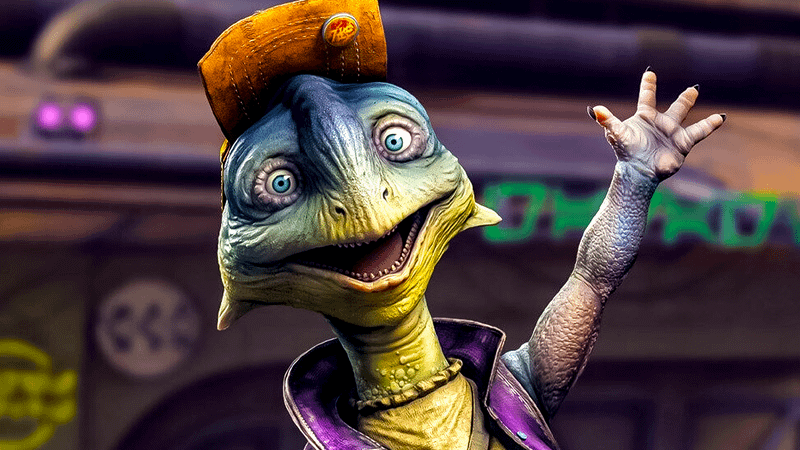
As a mixed-reality project tied to VR storytelling, Star Wars: Beyond Victory was already operating in a niche corner of the franchise. Its post-credits scene teased more from its world, but the limited audience inherently capped how much excitement it could generate.
The game follows Volo Bolus, a Prae’tus podracer who teams up with legendary racer Dug Sebulba. The credits scene shows Volo’s friend, anti-podracing activist Deland Tyerell, being attacked by a child of Ba’zhu, a scrap-stealing pest from the planet Malastare, after Deland picks it up.
Within the context of the game, the scene works well enough. However, due to the platform, its impact was always going to be minimal. It mattered to a small subset of Star Wars die-hards and virtually no one else.
6. LEGO Star Wars: The Force Awakens
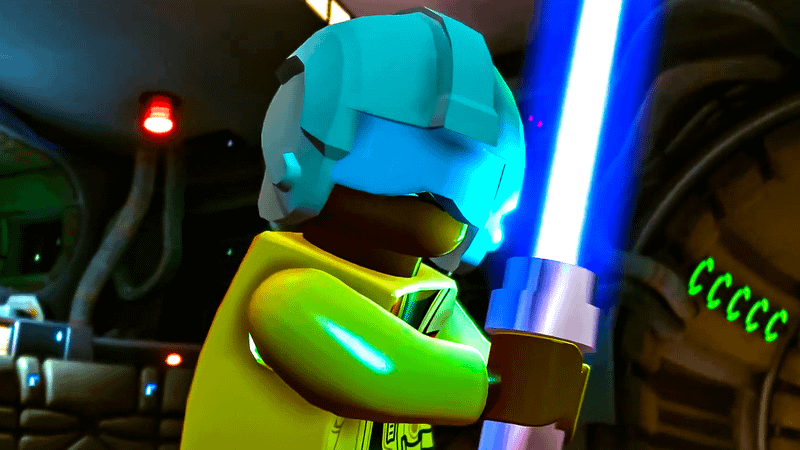
The post-credits scenes in the LEGO retelling of Star Wars: Episode VII – The Force Awakens exist almost entirely for comedy, and that’s both their biggest strength and biggest limitation.
Whether it’s a First Order officer accidentally spying on Supreme Leader Snoke taking a bath, Leia catching Poe Dameron and Admiral Ackbar playing a video game, or Captain Phasma facing off against a dianoga in a trash compactor, these scenes are purely visual gags.
Fans enjoyed them in the moment, which was precisely the point. The jokes landed, the humor worked, and then the scenes vanished into the ether. They don’t expand canon or tease future stories. The scenes are pure fun and lean into the whimsy that animated LEGO properties are known for, but they're not especially memorable.
5. The Book of Boba Fett – Chapter 7: “In the Name of Honor”
There’s no avoiding it: The Book of Boba Fett remains one of the most polarizing projects of the Disney+ era. The series follows Boba Fett (Temuera Morrison) and Fennec Shand (Ming-Na Wen) as they attempt to claim Jabba the Hutt’s former territory on Tatooine, with mixed results.
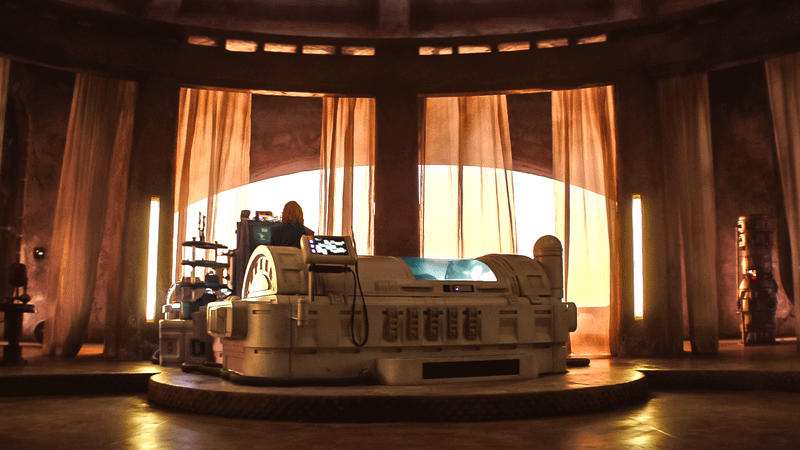
After local marshal Cobb Vanth (Timothy Olyphant) was seemingly killed in the series’ sixth episode, the finale’s mid-credits scene reveals Vanth healing inside Boba Fett’s bacta tank, confirming his survival. Watching over Vanth is The Modifier, the same being who saved Fennec Shand’s life in The Mandalorian.
It’s a well-executed tease that was somewhat dampened by the show’s uneven reception. Vanth quickly became a fan favorite following his first appearance in The Mandalorian, so confirming his return was a genuine highlight, even if when and where he’ll reappear remains unclear.
4. Star Wars Outlaws
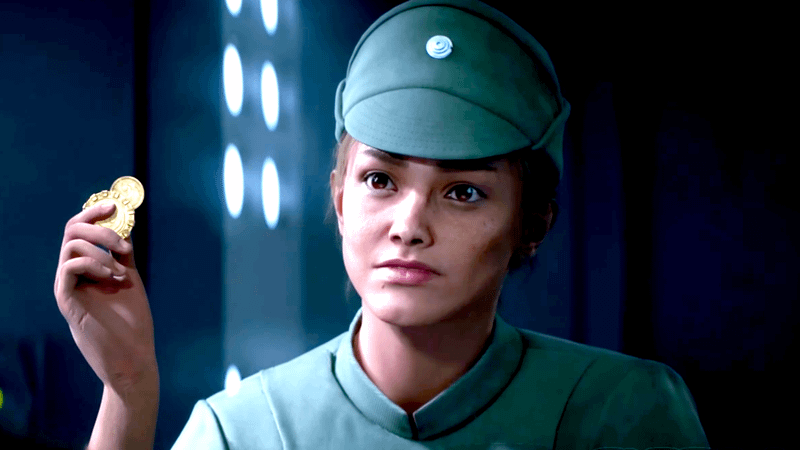
For a video game, Star Wars Outlaws delivered a surprisingly effective post-credits scene. The story centers on Kay Vess, a professional slicer pulled into the Syndicate War and forced to work alongside her estranged mother, Riko.
After the Empire captures Riko, the post-credits scene shows Kay, disguised as an Imperial officer, slipping her mother a lockpick before departing with a stormtrooper escort.
Outlaws was a refreshing detour into the galaxy’s criminal underworld, an area Star Wars has often teased but rarely explored in depth. While the game didn’t dominate mainstream conversation, its post-credits moment hinted at sequel potential and broader storytelling avenues beyond Jedi and Sith.
3. The Mandalorian – Chapter 16: “The Rescue”
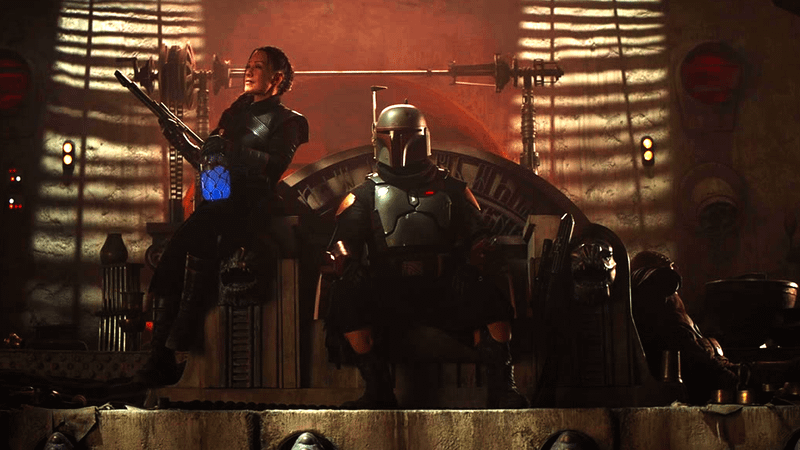
“The Rescue” remains one of the most talked-about hours of Star Wars television ever produced. Between Din Djarin (Pedro Pascal) claiming the Darksaber, Luke Skywalker’s (Mark Hamill) jaw-dropping dismantling of an entire Darktrooper army at the height of his Jedi power, and Grogu leaving Din to train with Luke, the episode left fans reeling.
Then came the post-credits scene. Boba Fett and Fennec Shand arrive at Jabba’s palace on Tatooine, execute Bib Fortuna, and claim the throne, officially teasing The Book of Boba Fett.
At the time, the reveal felt like a triumphant declaration that Star Wars was back on solid footing after the uneven and polarizing sequel films. The execution was flawless, and fans expressed their excitement for Star Wars’ next chapter for weeks. The only drawback is hindsight, as the series it teased ultimately struggled to live up to the hype.
2. Star Wars: Visions – “The Pit”
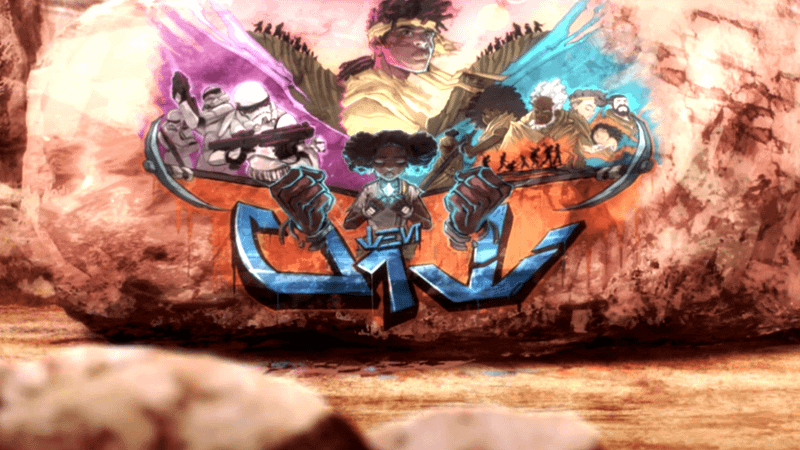
Though Star Wars: Visions' anthology stories exist outside official canon, that doesn’t mean they lack impact. Volume 2’s “The Pit” tells a haunting story inspired by real-world injustice and systemic exploitation.
The episode follows prisoners forced to dig for kyber crystals near a luminous city. Crux, one of the prisoners, forms a bond with a young girl named Livy before being killed by stormtroopers after escaping and seeking help from city residents. The episode reveals that the residents of Crystal City were blissfully unaware of the inhumane practices that had afforded them their privilege.
The post-credits scene shows a mural depicting Crux and Livy, honoring his life. It doesn’t tease another project, but it reinforces the episode’s message. Through metaphor and restraint, the scene highlights the kinds of grounded, socially conscious stories Star Wars can tell when it chooses to.
1. Andor – “Rix Road”
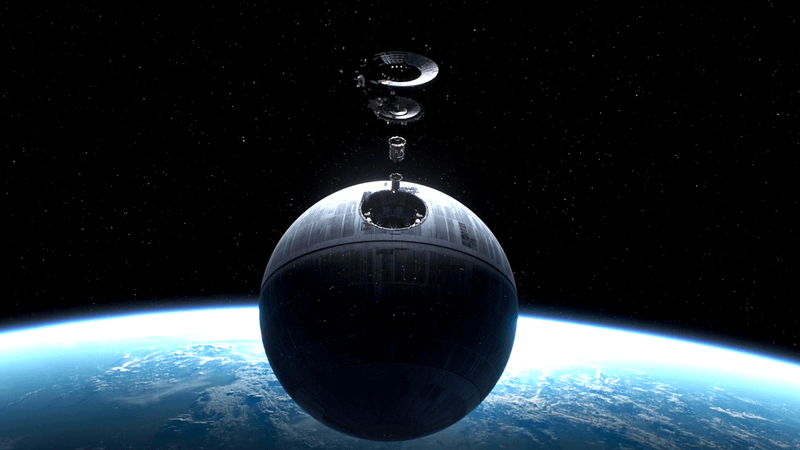
Widely regarded as the highest-quality Star Wars project of the streaming era, Andor accomplished something remarkable: it made audiences deeply invested in a character whose fate was already known. At the same time, the gritty series made a powerful statement about tyranny as its protagonists birthed the rebellion against the Empire.
Andor's post-credits scene is quiet, devastating, and unforgettable. Instead of teasing a sequel or surprise cameo, it reveals that the mysterious components Cassian Andor (Diego Luna) and his fellow prisoners were unknowingly assembling were parts of the first Death Star.
The revelation reframes the entire season, transforming the prison arc into a tragic act of enforced complicity. It’s chilling, thematically rich, and perfectly aligned with Andor’s grounded tone. The final moments are also proof that, when used correctly, a post-credits scene can recontextualize and elevate everything that came before it.