For decades, the relationship between Star Wars on the big screen and on television has run in one direction. The movies came first, and the shows borrowed from them. Unique characters like Wookiees, Jawas, and Droids spun off from the original trilogy before appearing in TV series. The Clone Wars era provided Lucasfilm a sandbox for its animated shows, giving fan-favorite characters more screen time. Even The Mandalorian, when it arrived on Disney+ in 2019, took cues from the cinematic galaxy that came before it. A theatrical Star Wars movie built on the back of a streaming show was not how the franchise worked.
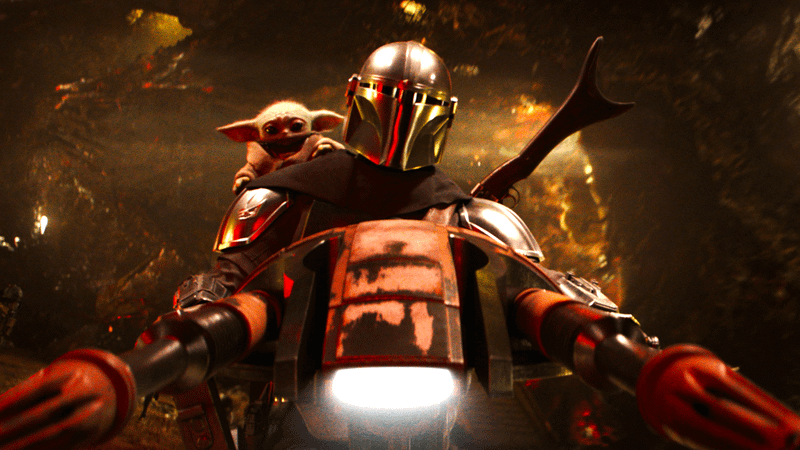
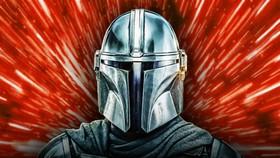
That changes in seven days. The Mandalorian and Grogu hits theaters on May 22, doing something unique from other theatrical Star Wars releases. This time, Lucasfilm is asking audiences to pay for a movie ticket to watch characters they first met on television. Pedro Pascal returns as Din Djarin, Grogu travels with him, and Jon Favreau directs a story that flows directly out of three seasons of the Disney+ series. Sigourney Weaver joins the cast as Colonel Ward, and Jeremy Allen White voices Rotta the Hutt. Lucasfilm positioned this project as the start of a new slate of Star Wars films, and it also happens to be the first one in seven years (since The Rise of Skywalker closed out the Skywalker Saga in 2019).
This is a real change in how Star Wars operates, and the implications go well past one movie. For most of its history, Lucasfilm treated theaters as the front door, but with time, Disney+ changed that.
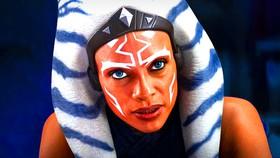
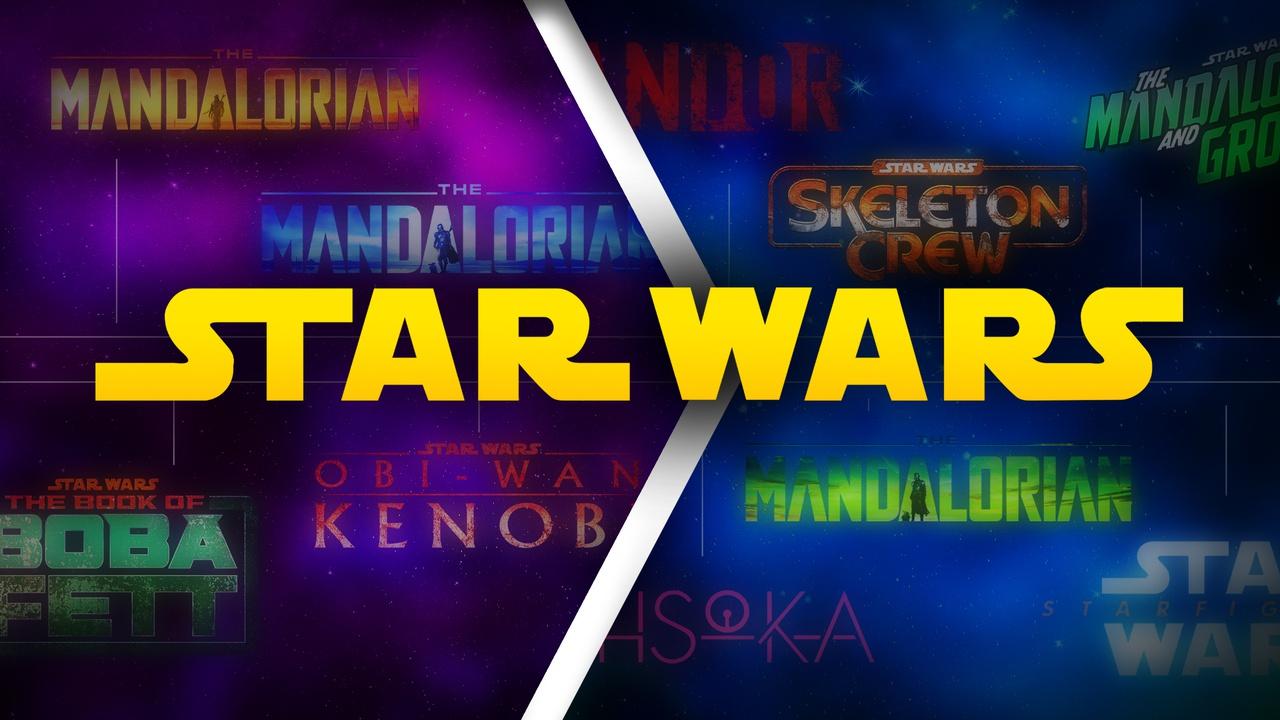
Since 2019, the bulk of the franchise's storytelling has lived on streaming, with The Mandalorian, The Book of Boba Fett, Andor, Ahsoka, Obi-Wan Kenobi, The Acolyte, and Skeleton Crew all building audiences episode by episode. The Mandalorian and Grogu is the first time one of those streaming properties graduates to the multiplex, and if it works, it sets a template for everything that comes after.
Some fans may view this as a good direction, while others might not. Both opinions would be a fair assessment; this new Star Wars change has its pros and cons.
The Mandalorian and Grogu Walks Into Theaters With a Proven Audience
The good thing about this direction is that Din Djarin and Grogu are characters Lucasfilm doesn't have to introduce. They arrived on Disney+ six years ago and quickly became the most marketable duo Star Wars had produced in a long time.
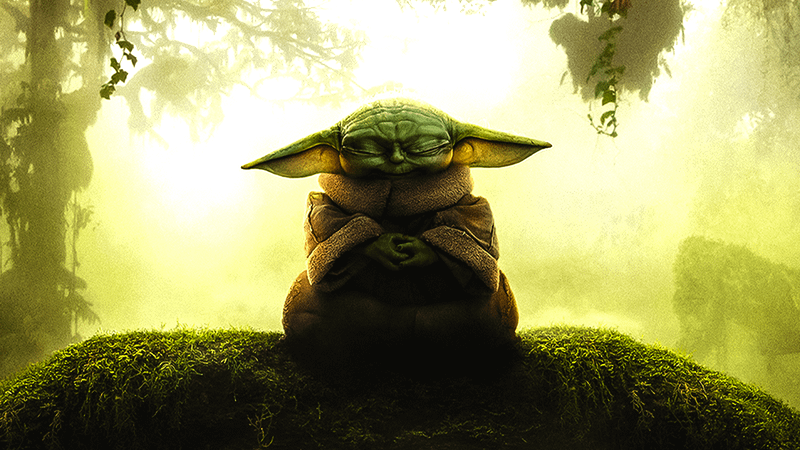
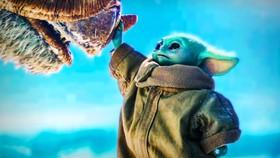
Grogu, in particular, became a global phenomenon within a few weeks of his introduction, with merchandise that outsold most of what Disney was putting in stores at the time. By the time the third season wrapped in 2023, the show had given the character an arc, a surrogate father, a working knowledge of the Force, and a place inside the Mandalorian creed.
Walking into a theater on opening weekend, audiences already know who these characters are, what they want, and why they matter. Former Lucasfilm president Kathleen Kennedy sees this as an advantage for the film, arguing in a discussion with Deadline that younger viewers will treat The Mandalorian and Grogu as their entry point into Star Wars without feeling they need to study the back catalog.
Dave Filoni, now co-CEO of Lucasfilm, said the film does not carry the same pressure as The Force Awakens did in 2015, because it isn't launching a new trilogy or introducing a new lead. According to him, it's a celebration of two characters fans already love.
A movie built around proven streaming favorites is, on paper, a much safer bet than launching a new corner of the galaxy with unknown characters. Box office tracking, as reported by The Hollywood Reporter, puts the four-day Memorial Day opening in the $80 million range. This would fall short of Solo: A Star Wars Story, but it would also represent a soft restart for a franchise that has been absent from theaters for seven years. If the film overperforms, Lucasfilm could do this again with Ahsoka, Skeleton Crew, and the next Disney+ series that catches fire.
Star Wars Risks Falling Into Marvel’s Biggest Franchise Trap
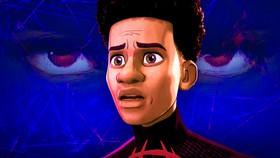
The cons with this new Star Wars direction, though, are hard to ignore, as the franchise could fall into the same trap as another Disney property. In the last few years, Marvel has been caught in the trap that The Mandalorian and Grogu is wading into, and the results have not been encouraging. WandaVision led into Doctor Strange in the Multiverse of Madness. Loki influenced the events of Deadpool & Wolverine and the entire Multiverse Saga. Ms. Marvel was effectively required viewing for The Marvels.
The cumulative effect, as Marvel Studios President Kevin Feige reportedly admitted in private to colleagues per a Wall Street Journal report, was that watching new Marvel content had started to feel like "homework" rather than entertainment. Box office returns backed that up, with Captain America: Brave New World, The Marvels, and other recent releases underperforming relative to the studio's older work.
Star Wars is stepping toward the same model from a different angle. Lucasfilm believes The Mandalorian and Grogu is a film newcomers can walk into cold, and Favreau said the script was written with that in mind, but the reality is more complicated. The film is a direct continuation of three seasons of television. Din Djarin's helmet rules, his bond with Grogu, his complicated relationship with Bo-Katan and the rest of the Mandalorian factions, and the rebuilding of Mandalore itself have all been addressed on Disney+. All this information was revealed over roughly 16 hours of streaming content, which contributes to what makes Din and Grogu's journey special and important.
A casual moviegoer can follow the action, but the emotional payoff won’t hit as hard because the context of what makes the characters special is shown elsewhere. If this direction continues, fans will eventually face the same "homework" burden that the Marvel films demand. Whatever happens in the future, the reality is that any new direction Lucasfilm takes will have its drawbacks; they are impossible to avoid entirely. What matters is the quality of the storytelling. If the films are great, most of the downsides of Star Wars' new direction will be irrelevant.
Geraldo Amartey is a writer at The Direct. He joined the team in 2025, bringing with him four years of experience covering entertainment news, pop culture, and fan-favorite franchises for sites like YEN, Briefly and Tuko.