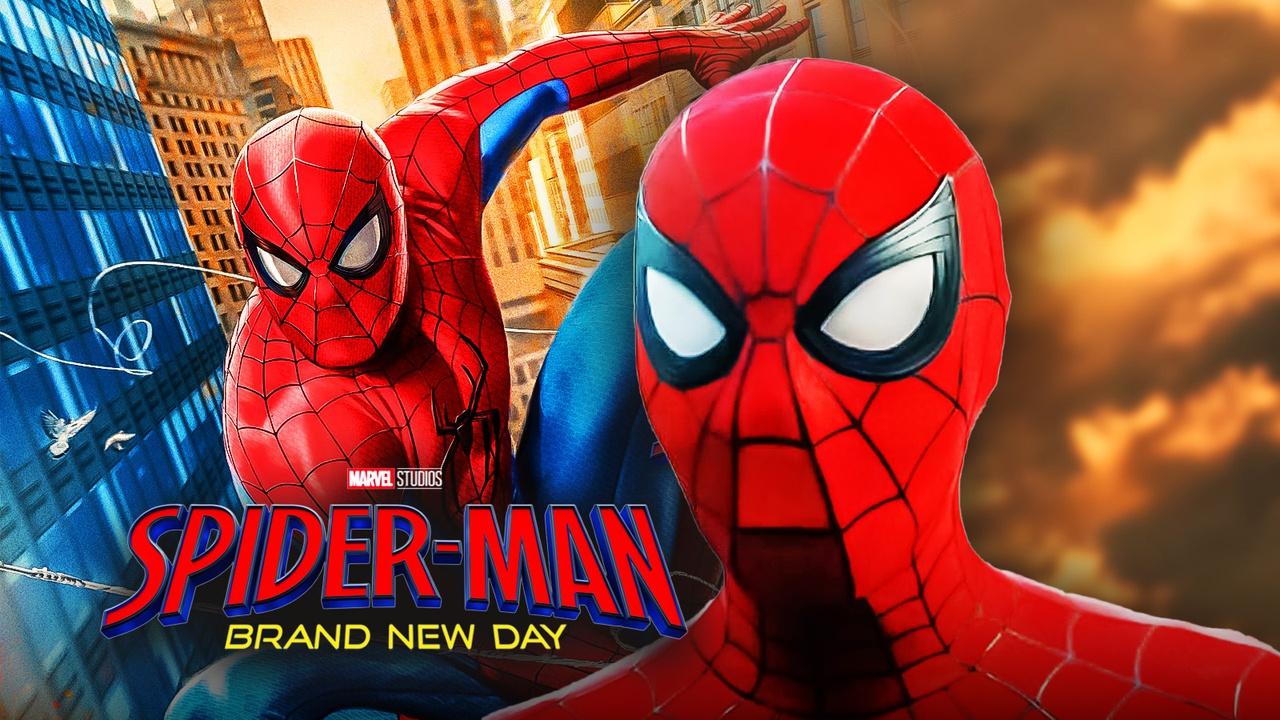
Spider-Man: Brand New Day is set to introduce a fresh evolution of Spider-Man's MCU musical identity. One of the best aspects of Tom Holland's Spider-Man movies is their standout music. The first three installments, collectively known as the Home trilogy, embrace a youthful, energetic vibe that perfectly matches Peter Parker's journey from an eager high schooler to a more mature hero. Michael Giacchino's score defines this era with an original main theme that feels fresh and distinct from the music of the Tobey Maguire and Andrew Garfield eras for their respective heroes.
Spider-Man: Brand New Day is set to build directly on this foundation while introducing a refreshed sound for Tom Holland's web-slinger in the new phase of his life post-Spider-Man: No Way Home. Michael Giacchino returns for his fourth MCU Spider-Man score, and the debut preview, "Suite New Day," signals an exciting evolution for the hero.
The new piece retains the core youthful optimism and heroic energy of the Home trilogy, but adds heavier orchestration with a blend of techno.
While it is still recognizably MCU Peter's theme, it sounds and feels more mature, confident, and forward-looking, which suits Peter's evolution, as he has faced Multiversal chaos and is now forging his own independent path without family or friends.
The continuation retains Giacchino's signature warmth and unique invention for the MCU's Spider-Man while also hinting at greater stakes and a renewed sense of purpose for the character. It also effectively positions Spider-Man: Brand New Day to carry the MCU's Spider-Man musical legacy and elevate it even further.
Spider-Man: Brand New Day swings into theaters on Friday, July 31.
A Deep Dive Into Marvel Spider-Man Themes

Michael Giacchino's MCU Spider-Man themes are now considered classics. Their instantly recognizable sound has become a beloved part of the Marvel fan experience, evoking the same rush of excitement as the hero's web-slinging gets showcased on-screen.
Giacchino's Spider-Man: Homecoming theme embraced the classic 1960s TV cartoon motif, with its upbeat, guitar-driven energy serving as the perfect announcement of Spider-Man's "homecoming" to the MCU. It evokes a fun and adventurous vibe that captures Peter's youthful swagger coming off the heels of his appearance in Captain America: Civil War.
The theme captures the thrill of his homemade-suit adventures, the sly awkwardness of high school life, and the wide-eyed admiration he has for Tony Stark and the Avengers. This feel-good vibe is the main reason why the Homecoming theme resonated so strongly with audiences, serving as a perfect starting point for Peter's MCU journey.
Giacchino's Spider-Man: Far From Home suite expands the main Homecoming theme with new elements that echo Peter's on-screen journey, such as Peter and MJ's motif and Mysterio's flashy and deceptive sound.
The core motif remains unrecognizable, but the evolution is clear. The once-youthful Homecoming sound gains emotional weight, reflecting Peter's loss in the post-Avengers: Endgame timeline after losing Tony Stark. The new motifs also humanize Peter amid the pressure of living up to expectations.
Spider-Man: No Way Home's score serves as the emotional peak of Peter's journey in the Home trilogy. The main theme matures with choir-enhanced swells that perfectly suit Peter's on-screen journey as his identity is revealed to the whole world. The once-lighthearted motif gains depth and grandeur as the climactic finale dives deep into themes of identity, sacrifice, and responsibility.
The Arachnoverture, No Way Home's crowning suit, feels like an end-of-an-era piece that brilliantly weaves everything together.
While revisiting the Homecoming and Far From Home motifs, the main score swells during highly emotional moments, such as the loss of Aunt May and the goodbyes to MJ and Ned before Doctor Strange's spells take effect.
No Way Home transformed the youthful swagger of Homecoming and Far From Home into something more mature and resilient, underscoring sacrifice and growth as he enters a bold new chapter in Brand New Day.
Meanwhile, Danny Elfman's theme for Tobey Maguire's Spider-Man captured the web-slinger's spirit at a time when live-action superhero movies were still finding their footing. It introduces a bold orchestral fanfare with dramatic brass that many deem a classic superhero anthem for its grandeur and instantly memorable beats.
Hans Zimmer's theme for The Amazing Spider-Man 2 stands out due to its high-energy, rock-infused orchestral anthem right off the bat. It also mirrors Andrew Garfield's agile, energetic, and emotionally raw portrayal of Peter Parker.
Aside from the usual orchestral elements, what makes this score unique is the prominent use of electric guitars, which add rock-star-like heroism and tie into its main villain, Jamie Foxx's Electro.
The triumphant and exhilarating swelling of the score is so iconic that it completely defines Andrew Garfield's web-slinger, making it even more recognizable than his first score in 2012's The Amazing Spider-Man.
Daniel Pemberton's Miles Morales theme from Spider-Man: Into the Spider-Verse is a more vibrant take on Spider-Man music that fits Miles' youthful vibe and emotional Multiversal journey.
While Zimmer's theme thrived with electric guitars, Pemberton's use of hybrid hip-hop beats, electronic elements, and full orchestral scoring created a sound that feels urban and culturally rooted, perfect for an everyday hero like Miles. Pemberton's approach is culturally specific, and this fits Miles as a character because he is known for being creative and resilient. All in all, this score ultimately redefined what a Spider-Man soundtrack could sound like.