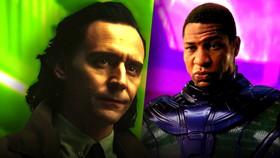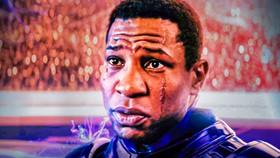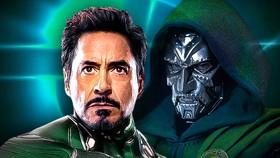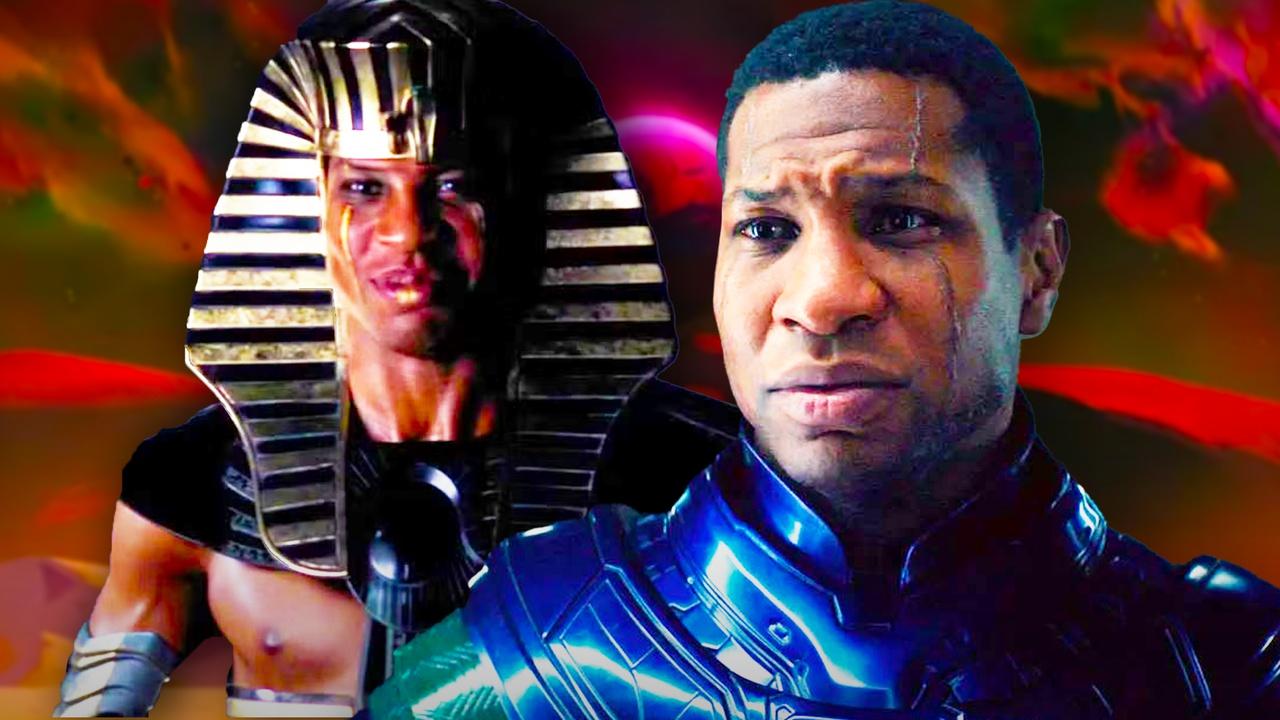
Marvel Studios abandoned an important reveal about Kang the Conqueror in Ant-Man and the Wasp: Quantumania by surprising fans with the inclusion of a major character in X-Men '97 Season 2. Jonathan Majors' Kang was poised to become the Multiverse Saga's big bad, appearing in Loki Seasons 1 and 2 and Quantumania to set up his role as a conquering time-traveler with countless variants. However, plans changed when Majors' MCU stint ended due to legal issues, with Marvel Studios pivoting to Robert Downey Jr.'s Doctor Doom as the villain for Avengers: Doomsday and Avengers: Secret Wars.
Following Majors' departure from the role of Kang the Conqueror, Marvel Studios is clearly not done yet with the time-traveling villain, as X-Men '97 Season 2 includes Rama-Tut, a Kang Variant, as a key antagonist tied to En Sabah Nur's (aka Apocalypse) origin. X-Men '97 Season 2, Episode 3 heavily featured Rama Tut as an overarching threat that forces an alliance between the X-Men stuck in the past and En Sabah Nur, who is spearheading a rebellion against the tyrannical ruler's cruelty.
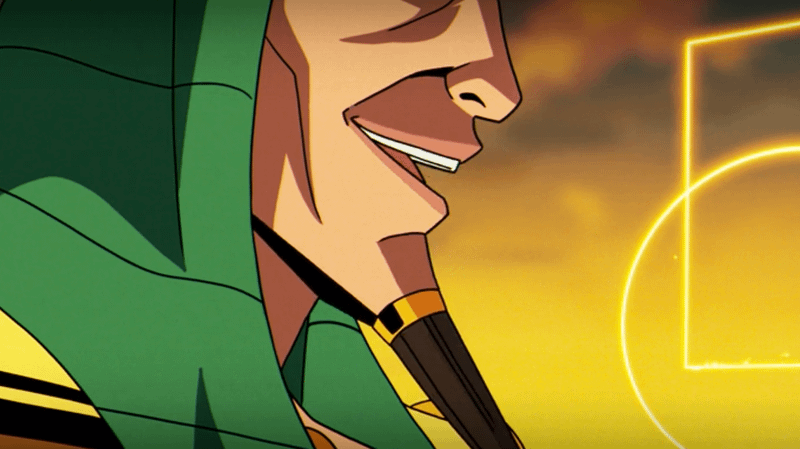
This version of Rama-Tut is not played by Jonathan Majors. Instead, Star Trek: The Next Generation actor John de Lancie brings Kang to life in X-Men '97 Season 2, retconning a major Ant-Man and the Wasp: Quantumania decision that every Kang Variant in the MCU Multiverse looks exactly like Majors.
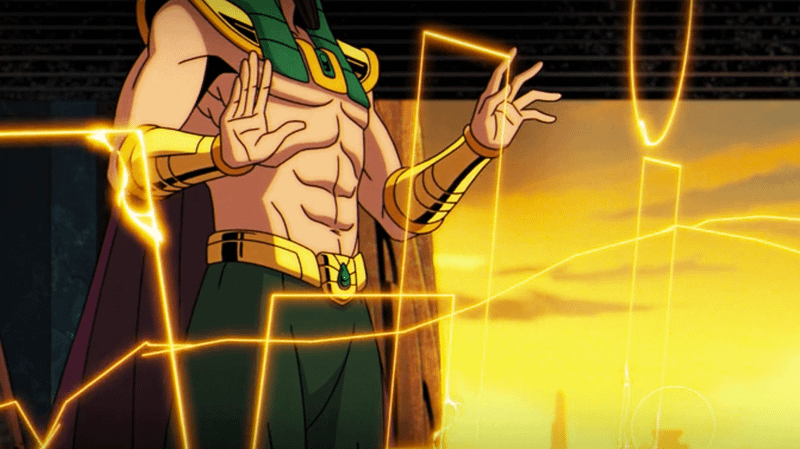
What makes this version of Rama-Tut a clear pivot from Jonathan Majors' version seen in Quantumania's post-credits scene is that the character's design draws directly from Marvel Comics, showcasing a green-helmeted, caped pharaoh.
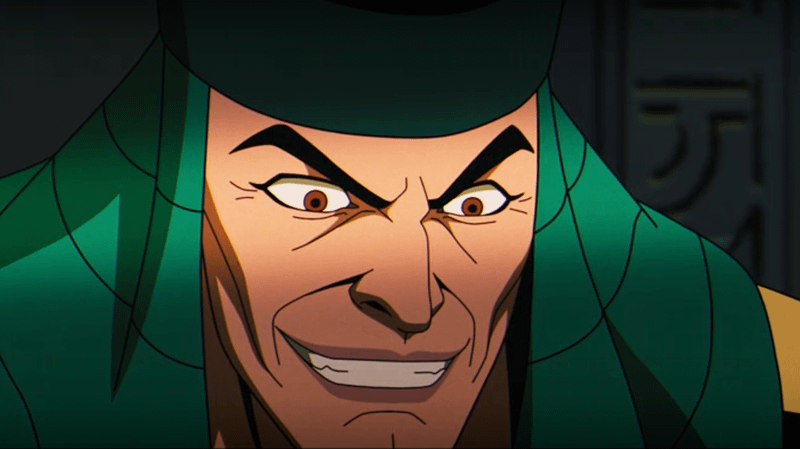
Rama-Tut's design in X-Men '97 Season 2 stands in stark contrast to Majors' live-action version from Quantumania's post-credits sequence, who was showcased in purple-and-black armor that emphasized his status as a modern warlord.
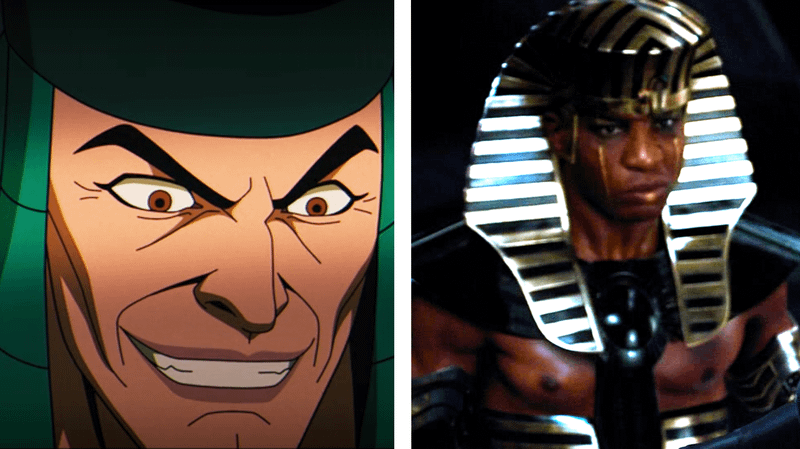
Marvel clearly made a deliberate decision to make the animated Rama-Tut distinct from Jonathan Majors' version, allowing X-Men '97 to honor the villain's comic roots while distancing the MCU's animated branch from the live-action portrayal.
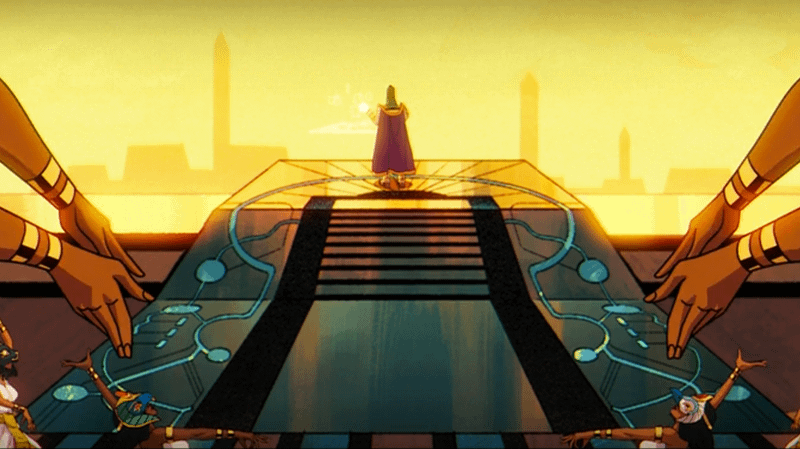
Rather than completely abandoning the character, Marvel Studios is selectively preserving and reimagining elements of the Kang mythos to serve individual projects like X-Men '97. As a result, Rama-Tut integrates seamlessly into the animated show's deep dive into Apocalypse's origin, completely raising the stakes without carrying the baggage of what the live-action Multiverse Saga has established with Kang as a character.
New episodes of X-Men '97 Season 2 premiere every Wednesday on Disney+.
Why Marvel Studios' Latest Jonathan Majors' Recast Is More Important Than You Think

Marvel Studios' recasting of Rama-Tut in X-Men '97 Season 2 is more important than fans think, as it demonstrates the studio's strategy for handling controversies following major setbacks.
Featuring a completely different Rama-Tut (appearance and voice) in Marvel Animation is Marvel's way of telling fans that Jonathan Majors' Kang the Conqueror is no more, and Kang Variants can exist independently without him. This is important because it prevents the concept from being retired due to real-world issues.
Aside from quietly sidelining all Kang elements related to Majors, heavily featuring Rama-Tut in X-Men '97 Season 2 respects the comics' deep lore while turning one of the MCU's greatest missteps into a genuine asset.
Rama-Tut's prominence in the animated space proves Marvel Studios can course-correct rather than hitting the panic button. The post-Majors era of the MCU isn't defined solely by loss and controversy; instead, Marvel embraces redemption through new narrative paths for the character. If anything, this proves that great characters can endure beyond a single casting decision.