
It Ends just hit theaters, and it's a different horror film from the likes of the recent popular genre hit, Obsession. The existential film is one that doesn't revel in its narrative plot. In fact, it provides few clues about its central mystery and instead its ending offers an a long string of questions and thoughts (much like the road the characters find themselves on) for audiences to ponder. If you haven't seen the movie yet, be sure to turn around now—spoilers will follow.
The horror movie follows a group of four friends on a road trip: James (Phinehas Yoon), Tyler (Mitchell Cole), Fisher (Noah Toth), and Day (Akira Jackson). Unfortunately for them, it's not just any road trip, as they unexpectedly find themselves trapped on an endless repeating road.
As the movie progresses, the friend group dwindles. Tyler is the first to cave, unable to continue on with the repetitive, monotonous existence. A while later, Day and Fisher become content with their acceptance of the situation and decide to stop driving endlessly. James is the last person left on his journey to whatever lies at the end of the road. For him, there is no answer at the end of the road—just a literal end, with no further explanations by the ending of the film about why any of this is happening.
The Direct sat down with It Ends director Alex Ullom, who explained the ending fate of each character and why they ended up there. For fans of liminal horror, be sure to check out The Backrooms as well.
It Ends Director Alex Ullom Explains the Fate of Each Character
"It's An Acceptance of 'I Can't Know.'"
- The Direct: "Can you first just talk about Tyler and kind of what leads him to be the first to just be like, all right, I can't do this anymore?"
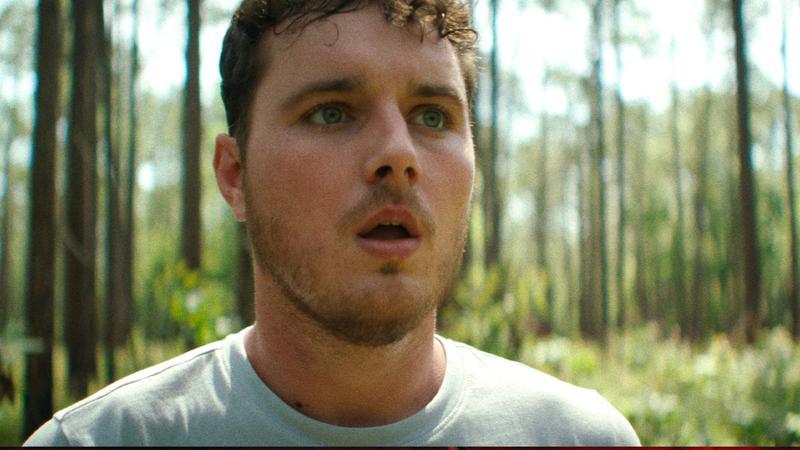
Alex Ullom: I keep hearing that this is like a very Gen Z movie, but Tyler specifically is not. I see him as someone [who is] a representative of an older generation and a different moral, you know, structure and a different philosophical structure. And I think that Tyler specifically had grown up already. Like the stuff that the other three characters like eventually end up and like get to. Tyler had already done that process.
"He was already done before he even turned onto the road," Ullom revealed:
Ullom: The other three kids who were graduating from college are entering the real world. Tyler's been a working man, and the actor, who's incredible, literally [was an] HVAC repairman in the panhandle of Florida before he shot this movie. You know, like he was tiling roofs, like he is, which is so crazy because of how talented he is. But you know, Tyler specifically had already been through that coming of age or staying of age story, you know. He was done. He was already done before he even turned onto the road. Like there was nothing more for him to discover.

- The Direct: "Obviously, there's Day and Fisher who make it a very long way compared to Tyler. But then they both basically become content together, which is an interesting move. So, where are they at? What causes them to come to that conclusion at the same time as well?"
Ullom: I think that this whole movie is a battle between two antithetical genres, which are horror and hangout. And at that point in the film, I think that if I personally were on the road and I had to give any single piece of advice to someone turning on the road, it's like hold the people you love very close. I think that they reach a level of like, the real thing that I have here is companionship. Like, this is truly all that I actually have is companionship and the other people in my life.
When it came to Fisher and Day, the two friends "respresent[ed] the hangout element of the movie:"
Ullom: I think Fisher and Day represent the hangout element of the movie... My favorite scenes are where they're making memes, or just like shooting the sh*t. And I had to like cut large scenes where they were just like trying to remember like what the Russian brick video was, or like random out shoots, internet pop culture, whatever stuff that I really loved...
"They are in a constant conflict with James," the director explained, adding context to his own life and how it influenced the story he was telling:
Ullom: I think that they are in constant conflict with James, who needs to get to the next thing and needs the next genre plot point, which is like a very similar way that, you know, you watch a typical horror movie, it's like, okay, what's the next thing? Like, how do I—What's the next clue? What's the next way?... I personally had a rough transition to adulthood. I think that I believe that there would be a set structure or amount of rules or things that I would you know do as I got older that would then translate into my life and be rewarding.
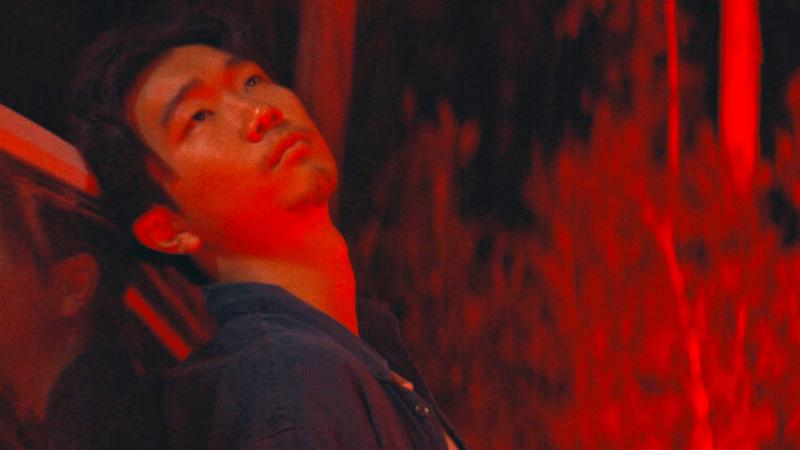
While Fisher and Day reached the place they needed to get to, James was not ready for that realization yet, so he couldn't stay with them and kept trudging along:
Ullom: And I kind of realized that adulthood was a scrap in the mud for meaning, and I think that Fisher and Day in the mud found each other and represent that hangout movie and represent something that can only be found with another person. And James was not ready to do that. James still needed an answer, and I think I, even today, go between the two of them.
- The Direct: "When he gets to the end, and obviously it is an end. There's nothing more. Would you say that brings him to that same just content and okay state that his other friends were at, or is he kind of broken at that point? What is his mentality at that point, once everything is shattered and he realizes it's not anything?"
Ullom: I think he realized—I mean, it's not that it's not anything. I think it's more that just, like, I can't know. It's an acceptance of I can't know, and then realizing, just like in movies, the only thing you really leave a movie with are the characters and the moments that they had with each other. Unless you don't like the characters, in which case the movie's f**ked regardless.
At the end of the day, James realizes that the meaning of his whole dilemma isn't to get an answer about why he's there in the first place, but instead those connections with everyone close to him.
Ullom: But I think James, in that final moment, is like, 'Well, damn, if I'm not gonna get that thing that tells me, oh, I'm on the road because I like ran someone over or something, and this is a punishment. If I'm not gonna get that emotional closure, if I'm not gonna get a structural meaning, then the meaning I'm going to find here is going to be, you know, when I'm hanging out.'"
It's something personal to Ullom, who notes that "the thing that really pulled me out of my own mental suffering was talking with [his] friends:"
Ullom: And I think that's what I felt when I was younger, which was that the thing that really pulled me out of my own mental suffering was talking with my friends. I think that's the real thing that James arrives at. Although I will say there is an answer to the road, and there is a set amount of rules and how, you know, not to spoil stuff or whatever, but it doesn't matter.
- The Direct: "Is there anything you feel comfortable sharing in terms of how some of this might work that might not have featured in the film?"
Ullom: I would say that there's a level of immaterialism and subjectivism, and the road is trying to move you towards an emotional place, and the only thing that actually affects‚—all I say is there is direct interaction between how a character or a human being consciously processes and how the road shifts and moves to interact with you.