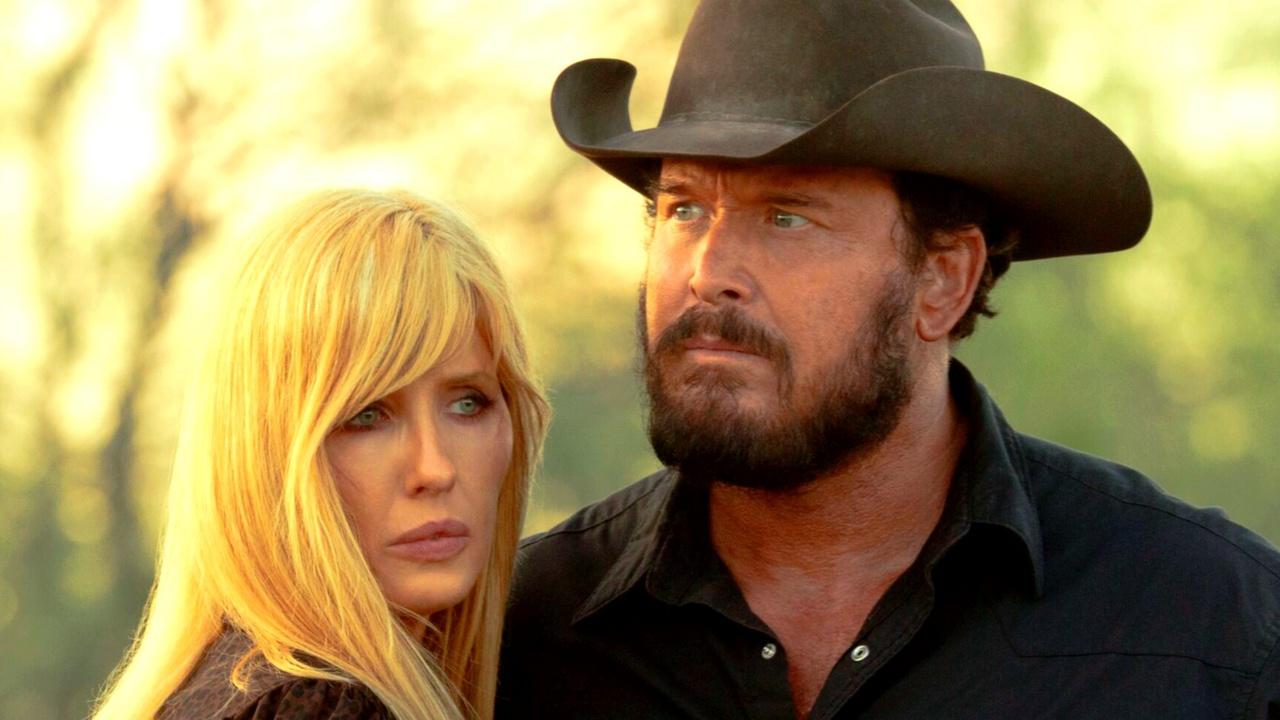
Rip Wheeler (Cole Hauser) did the unthinkable in Dutton Ranch Episode 4 by killing the entire herd of cattle, and some fans felt this act could have been avoided. The Yellowstone sequel series from Paramount+ continues the story of Rip and Beth Dutton (Kelly Reilly) as they start fresh in South Texas after their Montana ranch was destroyed by a devastating wildfire.
Part of their rebuilding efforts includes the acquisition of the former Edwards ranch, which encompasses cattle operations and day-to-day ranching. The initial herd they inherited had 175 head of Black Angus cattle, forming the foundation of their new beef operation. However, a risky deal involving buying a promising Black Angus bull threw a wrench into their operations, resulting in a tragic loss.
Why Rip Killed All the Cattle in Dutton Ranch Episode 4
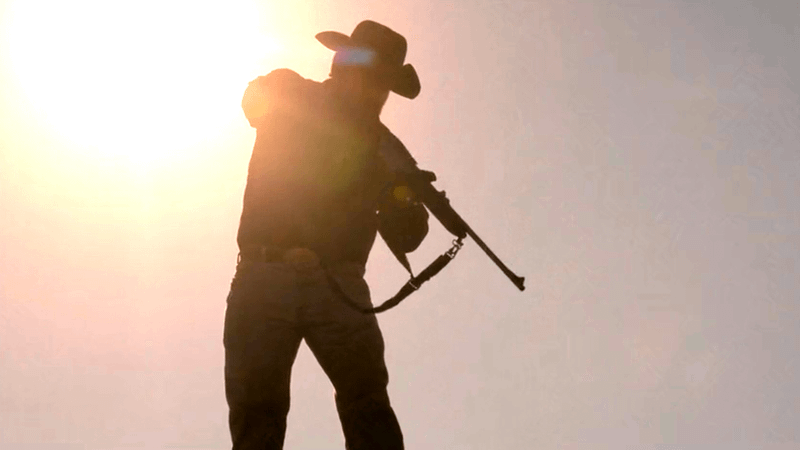
Dutton Ranch Episode 4 showed Rip Wheeler, alongside his ranch hands Azul and Zachariah, killing all the cattle, showcasing the Paramount+ show's most emotionally charged moment. Rip and Beth made a harsh decision to cull their entire herd after a devastating outbreak of foot-and-mouth (FMD) disease swept through the ranch. The outbreak originated from a high-value Black Angus they purchased at a local auction, an animal whose veterinary paperwork had been forged.
FMD is a highly contagious viral disease that causes painful blisters in the mouth and on the feet, and there is no cure for it. In a ranch setting, once it hits a herd, there is no going back since containment is nearly impossible without drastic measures. This disease can severely impact productivity, as infected cattle can become weak and produce lower-quality meat.
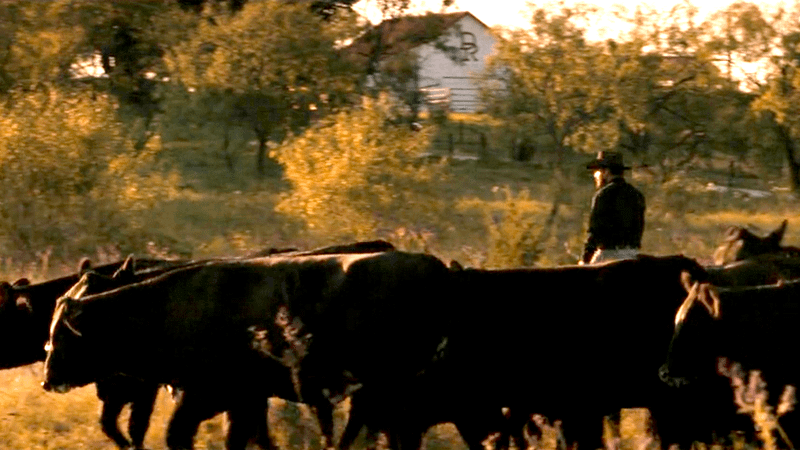
As part of the plan to cull the herd, Rip, Zachariah, and Azul dig a massive trench, corral the cattle inside, and Rip shot them one by one with a shotgun. This grim sequence underscored the brutal reality of ranch life, proving that owners sometimes have to make the hard choice of killing (or sacrificing) their herd to preserve hope of long-term survival for their operation.
Some viewers questioned whether culling the whole herd so quickly was essential. According to the U.S. Department of Agriculture, foot-and-mouth disease is not considered a human health or food safety threat because it does not infect humans. It is unrelated to hand, foot, and mouth disease in children, so the meat from these cattle is still edible. Still, keeping or selling the animals wasn't viable as they would suffer and become unable to yield good meat.
Outside of health concerns, Rip and Beth did not report the FMD diagnosis to any government agency; it would set a dangerous precedent, one that could invite immediate USDA involvement, mandatory quarantines, long-term movement restrictions, and potential blacklisting of their fledgling ranch.
Instead of culling the herd, Beth could have sent the animals to slaughter for processing instead and salvaged some financial value from the meat. They could have gained something instead of losing the herd.
Why Beth & Rip’s Decision To Kill the Herd Makes Sense in Dutton Ranch
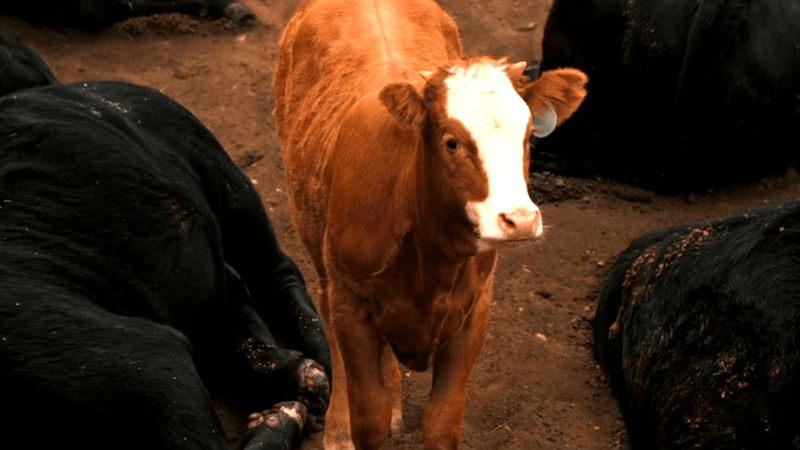
In the world of Dutton Ranch, Rip and Beth's aggressive (yet heartbreaking) response made sense, given that they were still a small, independent operation without immediate government oversight.
They were already sabotaged with the forged paperwork and the infected bull, and delaying the solution could have jeopardized their future in South Texas entirely. If anything, the drama amplified the couple's "all or nothing" stakes as they try to move away from Montana and build their own identities without the old Dutton power structure after the twists and turns of Yellowstone Season 5.
This decision also forced Rip to confront his identity as a rancher and protector, cementing his established role from Yellowstone as the man who does the ugly work so others don't have to. By personally shooting all the animals, he embraced the emotional weight and massive burden he will carry in future episodes.
As for Beth, she stood by Rip through the entire ordeal, deepening their relationship through shared trauma. While the herd was their big time shot at a legitimate, self-made legacy separate from the late John Dutton's empire, killing it reinforces the Yellowstone franchise's recurring theme that building something worthwhile demands setbacks and brutal sacrifice.
The decision to kill the herd sets the stage for Beth and Rip's well-earned win in the latter part of the story. Forcing them to hit rock bottom will make their eventual victory even sweeter.