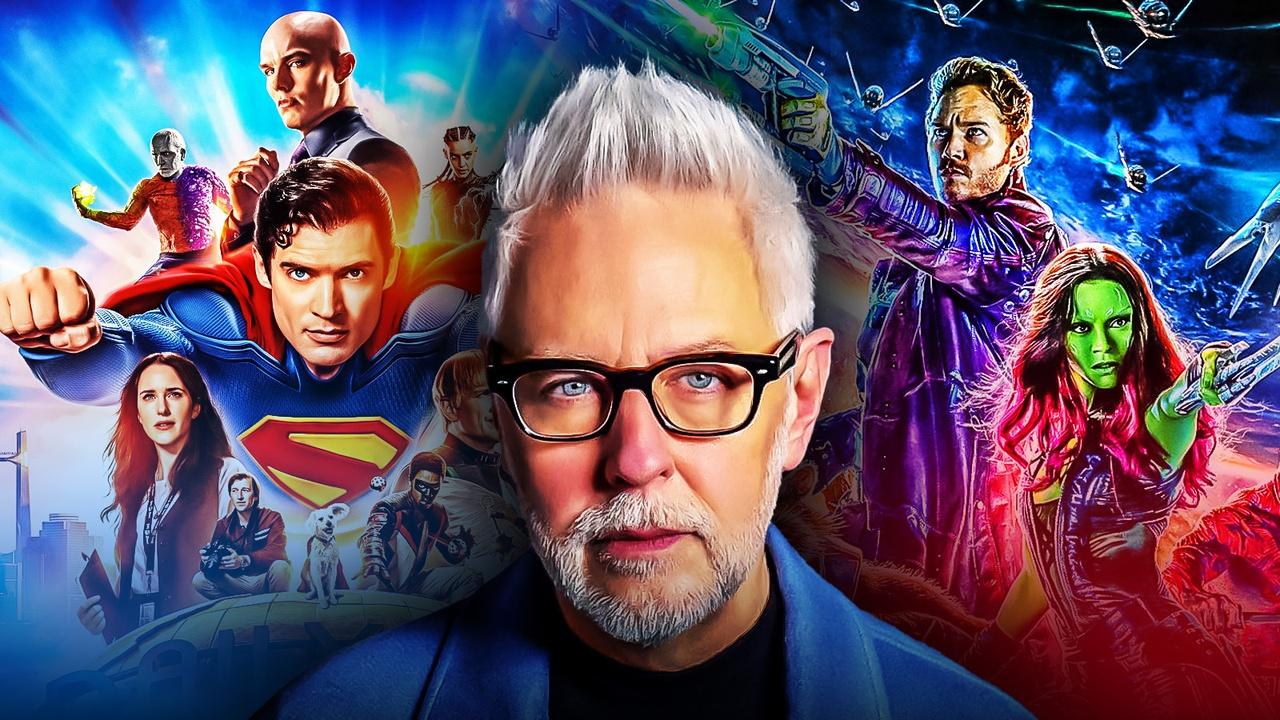
James Gunn's strategy for his new DCU has been revealed by Supergirl director Craig Gillespie. DC Studios' new DCU is still in its infancy compared to Marvel Studios' cinematic universe, with the DCU starting in late 2024 with 3 projects to date, while the MCU began in 2008 and now spans over 30 titles. Having spent time on Marvel Studios' side, James Gunn, the co-head of DC Studios, is coming to his DCU with a fresh approach that is different from both the MCU and the previous DCEU.
The DCU's next major release is Supergirl, a live-action film starring Milly Alcock as Kara Zor-El, who first appeared briefly in 2025's Superman. While a shared, interconnected universe is important for the new DCU, it doesn't seem to limit each project's direction.
Gillespie told Fandango in an interview that DC Studios' strategy isn't to force things into a wider DCU story, and instead, Gunn told him, "We're treating this like each is its own graphic novel." Gillespie explained that graphic novels are "very distinct in the comic universe," and that Gunn encouraged him to "really lean into that:"
"I said to James, 'How much do I need to have this be part of the DC universe?' And his answer was, 'We're treating this like each is its own graphic novel.' So, a graphic novel has it own writers and their own illustrators, and they're very distinct in the comic universe. And so, he said like really lean into that."
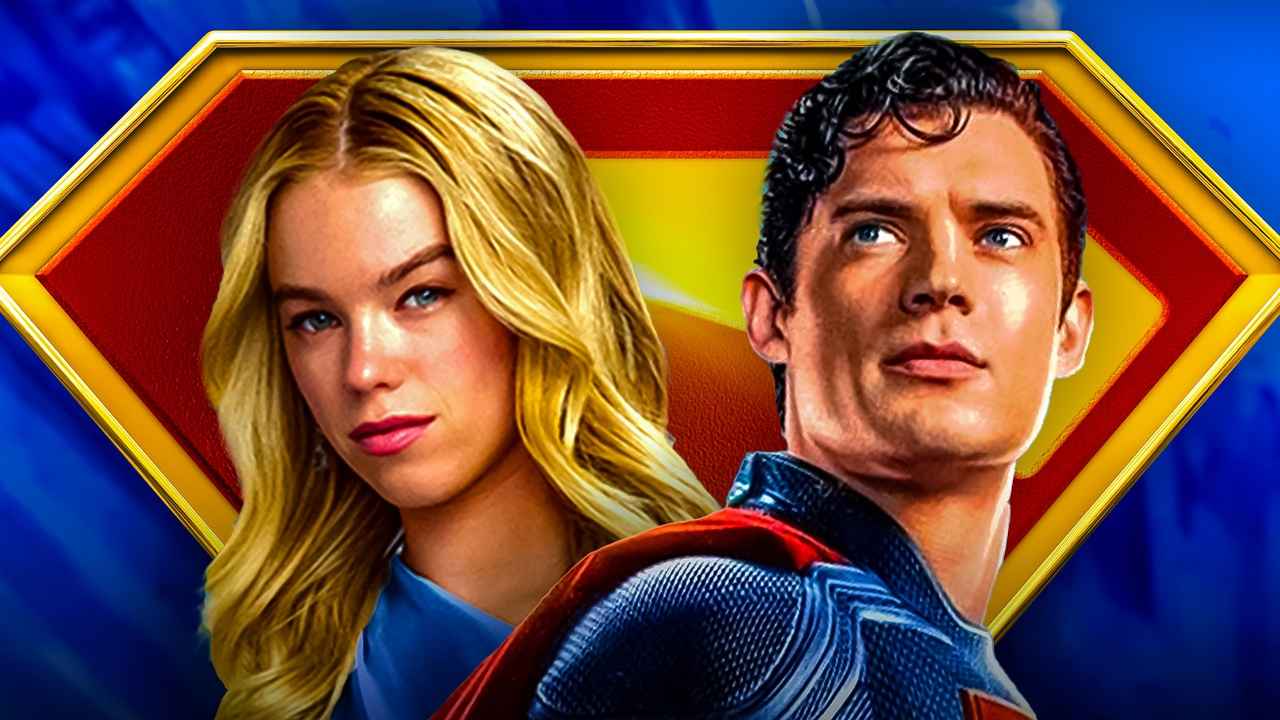
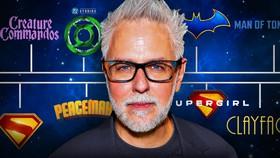
Gunn's mantra of treating each DCU project as a distinct entry has been in full force thus far, with each project bringing a unique take on the broader superhero genre. Creature Commandos is an adult animation, Peacemaker is an action-packed black comedy, and Superman is a more traditional superhero blockbuster.
Then, coming up next, DC has Supergirl, a sci-fi space adventure; Lanterns, a grounded buddy cop crime thriller; and Clayface, a body horror.
Gunn and Peter Safran's plan for the DCU reflects how things work in the comics, with established characters undertaking distinct narrative arcs within genres that suit their characteristics, while still existing in a broader shared universe.
Indeed, DC's projects like Superman and Supergirl have had much closer ties to comic book narrative arcs than past superhero projects, with Superman drawing on Grant Morrison's All-Star Superman and Supergirl adapting Tom King's Supergirl: Woman of Tomorrow.
Gunn has previously outlined how he wants each DCU project to "work as an individual story in and of itself." By doing this, the DCU is building itself into something quite different from what Marvel Studios has done with the MCU.
How the DCU's Strategy Diverges From the MCU

While the MCU is several decades ahead of the DCU in terms of its establishment, this time has given James Gunn and Peter Safran the opportunity to observe the rival studio and DC's past with the DCEU, and to figure out how to best move forward with the new DCU.
Marvel Studios' strategy, led by Kevin Feige, was one of the first instances of a fully fledged interconnected superhero cinematic universe. While the initial films started as sparsely connected, they became famous for their Easter eggs and post-credit scenes that slyly set up what was to come, eventually culminating in epic crossovers like The Avengers, or huge narrative arcs that pay off years of storytelling like Avengers: Endgame.
However, during that time, Marvel Studios films also developed a house style, becoming slick, effects-heavy action blockbusters sprinkled with quippy humor.
There were occasional breakaways, like what James Gunn himself did with Guardians of the Galaxy, but for the most part, MCU films have followed a formula. In later years, Marvel Studios has experimented with auteur visions, such as Chloe Zhao's Eternals and Sam Raimi's Doctor Strange in the Multiverse of Madness, but these are still often bound by the interconnectedness of the established MCU.
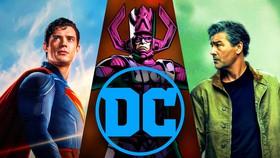
In the DCU's case, Gunn and Safran seem less concerned with the canonicity of the universe, with Gunn already admitting it's caused him issues, and more interested in pairing characters with the right genre and tone, even if it doesn't fit an established formula.
It's clear, even compared to the previous DCEU, that Gunn and Safran's vision is doing things differently. The old DCEU was largely established under Zack Snyder's vision, which meant many of the films were broody, VFX-heavy stories (with some exceptions), and very few embraced genres as much as the new DCU does.
While there's still an expectation that the DCU will feed into an overarching narrative as the MCU has, DC Studios' new universe is freeing itself to experiment more and bring fresh takes on superhero titles, which will hopefully be an asset in the fight against modern superhero fatigue.