Who doesn't love a complicated love story? It's something The Sun Never Sets hopes to capitalize on, and given how reactions went at its SXSW 2026 premiere in Austin, Texas, it seems the movie succeeded in doing just that.
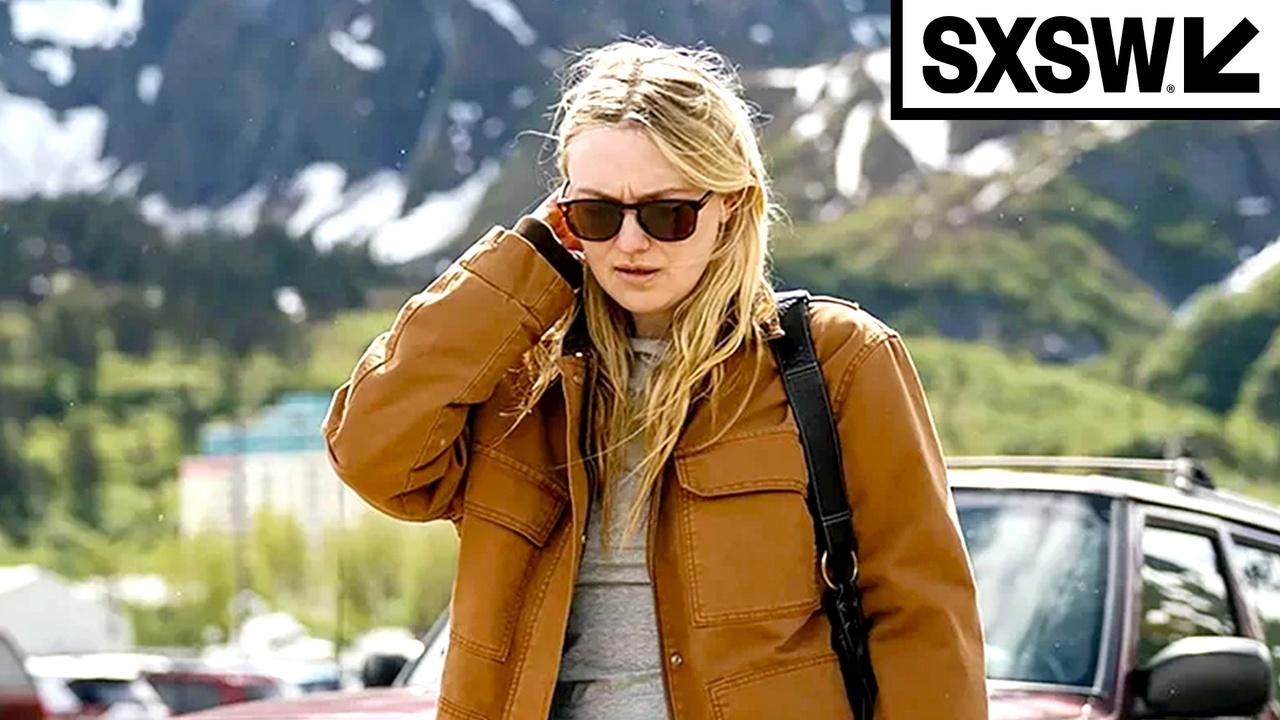
The film, directed by Joe Swanberg, follows Dakota Fanning's Wendy, whose life is thrown into chaos when her older, divorced boyfriend, Jack, who also has kids, insists they need space to figure out their relationship. That choice leads to even more complications when Wendy unexpectedly runs into her ex, Chuck, sparking a confusing, volatile love triangle.
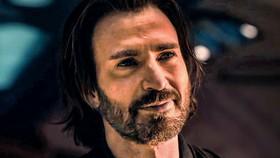
In addition to Dakota Fanning, The Sun Never Sets also stars Spider-Man: Beyond the Spider-Verse's Jake Johnson, Gotham's Cory Michael Smith, Jessie's Debby Ryan, and many more. The Sun Never Sets does not currently have a release date.
At the film's red carpet premiere at South by Southwest 2026, The Direct spoke with the movie's cast and filmmakers, including Dakota Fanning, Jake Johnson, Cory Michael Smith, Debby Ryan, Karley Sciortino, and Joe Swanberg. For more coverage of SXSW, check out The Direct's interviews with Bob Odenkirk and the filmmakers behind Normal, an action movie starring the legendary Better Call Saul actor.
Exploring Today's Messy Love in 'The Sun Never Sets'
"People Are Doing Their Best..."
- The Direct: "Romance is a common thing within storytelling. I'm curious, how does this movie tackle that in a unique way, or at least a very relevant way to the society we live in today?"
Jake Johnson: Joe, our director—These interpersonal relationships are based on emotional relationships he had, and a breakup he had. So a lot of times we would do a scene that would feel, you know, instinctually, right for Dakota or me, and he would say, that's just not how it happened... I feel it's a very honest movie, but it's very honest to his taste.
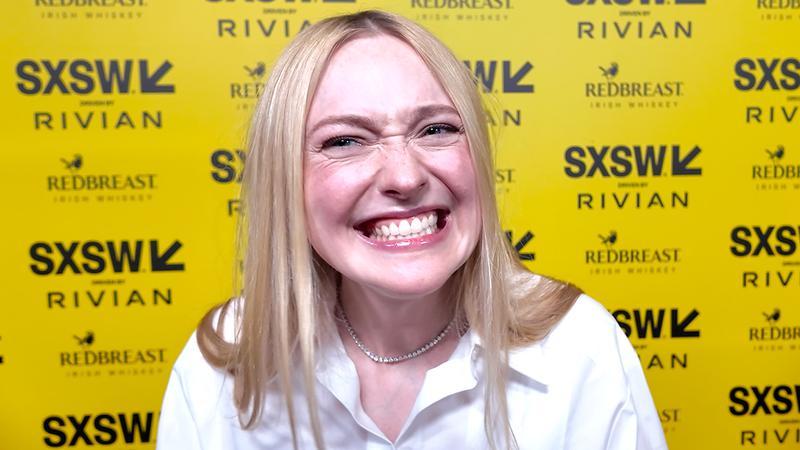
Dakota Fanning: I think that it deals with relationships, and, like you said, the kind of messiness of it in an attempt at the most realistic way possible. You know, it's not—everything [doesn't] get wrapped up with a bow all of the time. People are doing their best and then inadvertently end up making mistakes or hurting other people. And it's sometimes not your intention. It's just a mess. It's really hard, like cohabitating with humans and communication and all that stuff. It's really hard. So I think we tried to have this realistic portrayal of a modern love triangle with themes that I think a lot of people have experienced directly or indirectly, and just show how hard it is to be a person sometimes.
Cory Michael Smith: On a personal level, it is autobiographical and in many ways about Joe's life. So it feels very personal. It's a really interesting artistic exercise to work with someone who's sort of—Joe often does this sort of excavating his own life and experience. It's, of course, like once, twice, thrice removed, as we come on and change characters and make other decisions.
But I guess it's interesting in how it is born, and the process by which we tell the story, which is through improv. So, it feels deeply, deeply, deeply personal. We're all sort of grasping onto past experiences and squeezing those sponges out.
And how is it related to our modern era? I mean, I guess I don't know. I'm not a sociologist, but it does feel like there are more unconventional relationships these days, and I think maybe people are experiencing greater strife and difficulty finding love, finding someone to partner with. There are fewer marriages anyway.
Debby Ryan: I think romance, relationships, movie making, it's all about communication, and communication is so subjective, and everyone has such different reference points, and it can be so painful to just be like, you're so close. And it's something that Joe does really well, which is show sort of where people are coming from, and you can understand why different people got to different places, and it's hard to do, I think, without villainizing anyone.
Joe Swanberg: We tried to be real. Obviously, we're making a movie. Certain things need to be heightened for that. But I think the objective goal with all of us was to try and be truthful, be honest, and real to ourselves. And, yeah, try and tell us a relatable story that we feel, by being specific, it becomes more universal. If we kind of tell our own tale, then maybe other people hook in and relate to it.
Karley Sciortino: That's a really interesting question. Something I think is cool about the way that this movie creates relationships, and it's like a love triangle, right? Which is like a classic way of storytelling. I think that there is something that's true about this movie, where people like today, we think that we're like, very therapist, and we think we're very mature, and that we're being conscious about the decisions that we make...
Without giving too much away, in this movie, there is a character who thinks like, you know what, I'm being super adult, and I'm gonna make the therapist choice. And, you know, like, let's not be possessive, let's see what we really need. And then there's our intellectual instincts and our kind of therapist brain, and what we like to think should be right for us.
And then there's what our primordial, animal brain actually wants. And I think it's a very modern take for these characters to be like, what's the right, therapized choice, and what do I actually want? There's also that thing where it's like, who should you like, and who do you want to f---?
The full red carpet interviews are available below: