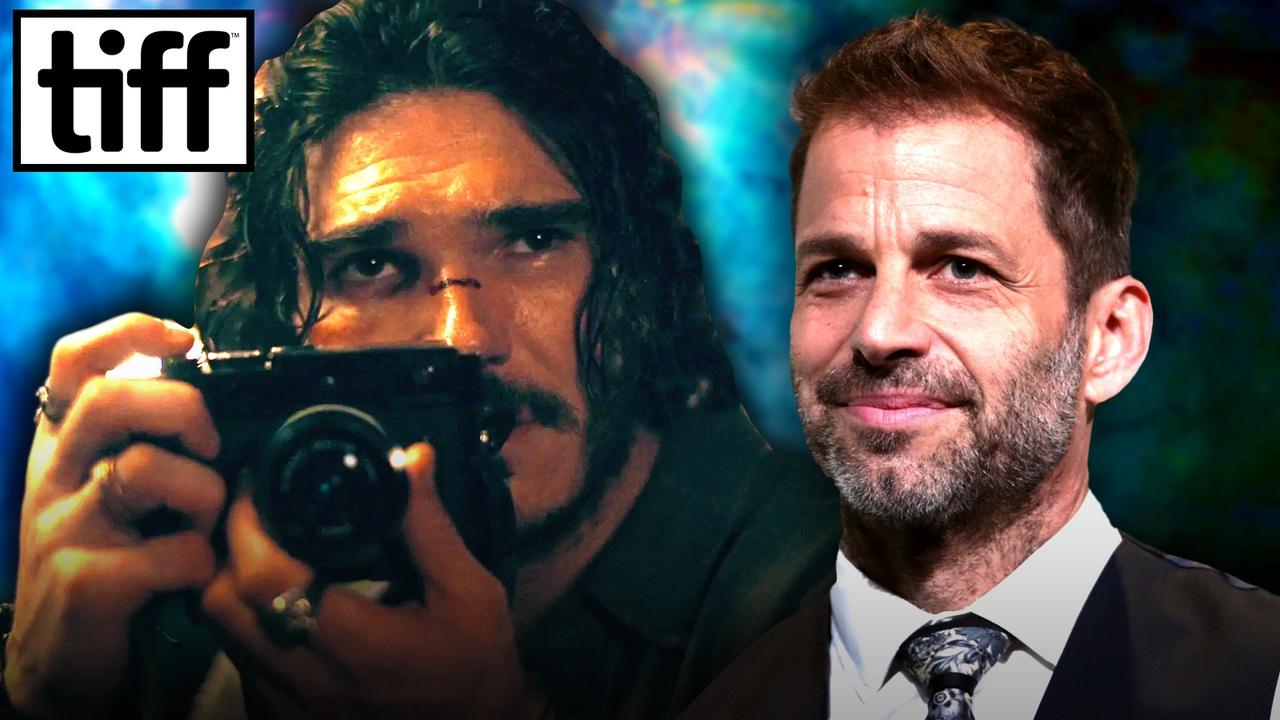
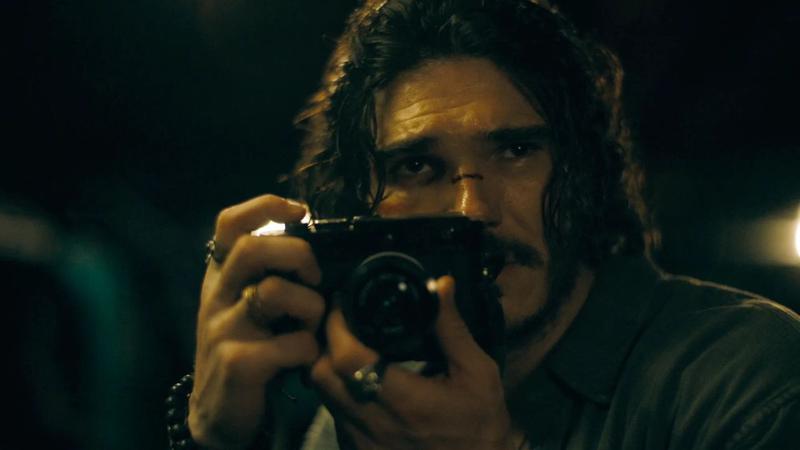
Zack Snyder is back with a vastly different film compared to his past blockbuster filmography, which includes the DCEU, Army of the Dead, and Rebel Moon. The Last Photograph follows a harrowing road trip between an ex-DEA soldier and a war photographer through South America to locate missing children, and it's a passion project of Snyder's that he's been working on for over a decade. That dream has now finally come to fruition, with The Last Photograph premiering on the world stage at the Toronto International Film Festival (TIFF) this year.
On the red carpet at TIFF, The Direct spoke with Zack Snyder, who served as director, producer, and cinematographer on The Last Photograph, as well as cast members Fra Fee and Stuart Martin (who both worked with Snyder on Rebel Moon) and producer Wesley Coller (another frequent collaborator of Snyder's).
The Last Photograph is the first film of Snyder's to be produced without the backing of a major Hollywood studio, and that return to guerrilla filmmaking was something the team and cast relished. "It was invigorating and cool and a challenge in ways that making a larger studio film isn't," Coller shared, while Martin and Fee appreciated that the process was so "intimate" and "unglamorous."
Snyder explained that he didn't consciously set out to make an indie film, just that "the circumstances led to what I would consider the right way to make this movie." The shift came with a lot of praise from the cast, who, having worked with Snyder on his past blockbusters, said The Last Photograph was the director truly "in his element."
Snyder hasn't completely turned away from studio filmmaking, with a remake of Escape From New York on the director's upcoming slate, but The Last Photograph marks a big shift in Snyder's filmography.
Zack Snyder's Move From Blockbuster Movies to Indie Filmmaking
"This Is the Movie I Want To Make, I Want To Make It Right Now..."
- Question: "You've done so many big blockbuster movies, but now you're stepping into the indie space. What inspired you to make this?"
Zack Snyder: Of course, we didn't think about it in the terms of like, 'oh let's make an indie movie.' I think we just realized that, this is the movie I want to make, I want to make it right now, I want to make it with these guys, I know I can do it, let's go. All the circumstances led to what I would consider the right way to make a movie, this movie, and suddenly we were like 'oh we're making an independent film, I guess.'
- The Direct: "What kind of challenges did working on an indie scale without a big studio attached bring up?"
Wesley Coller: It was the most invigorating thing, and it forces you to be on your toes in a way. I've had the pleasure of working with Zack through his entire filmography, on this, on studio films, and it's amazing having the resources of a studio. There's amazing people. There's departments that handle every layer of it. On an independent film, it's a much more hands-on endeavor on many more layers. But we've all been making films together for a long time, so I think you take a deep breath and you start to sort of take it apart one piece at a time and then put it back together.
We had great support. We were in Columbia, Jaguar Bite was our production service company down there and they did an amazing job. In Iceland, Truenorth, who we've worked with in the past on big films, really leaned into helping us get what we needed to get done there. So it was invigorating and cool and a challenge in ways that making a larger studio film isn't. But I think it's often the same skill set, just applied differently.
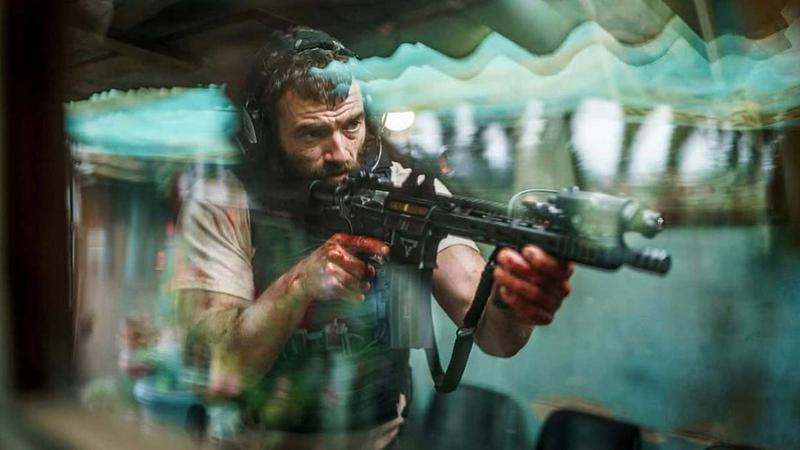
- The Direct: "You've worked with Zack a few times before. What's it like working with him on something that's a little bit more grounded compared to some of the blockbuster projects that he's been known for previously?"
Fra Fee: It was so unbelievable to see Zack in his element doing this movie. You know, with a big studio thing with [a big] budget, there are so many comforts and things that you tend to take for granted. We were stripped of all of that. It was a relatively small crew of amazingly talented, hardworking people. A great cast. It usually was just me, Stuart Martin, and Zack there with the camera. Often, the only other person that could be there was maybe like the focus puller, so we would just be in a boat, and Zack was right there with the camera. It was so intimate. It was so unglamorous. It was so messy. But I think it was sort of Zack in his element for sure.
Stuart Martin: What's interesting is his process is the same - how he is with the actors, how he wants to shoot. This process allows him to shoot that way, it's guerrilla filmmaking. And really, that's how he started out as a shooter director on these amazing ads before he went and did '300' and 'Dawn of the Dead'. That was where he started. I think when you get into those bigger films, you end up being behind video village and away from the actors and shooting less. With 'Rebel Moon', he was shooting with a camera on the shoulder, and then with this, you know, he had the camera on the shoulder for 13 hours a day.
So you kind of are just in it all the time. He's right there, you're there, you know what you're playing to. It's like you know he's there, but he's not because it becomes so intimate, you know. Then the camera goes down, we're having a chat, and it just feels like a conversation. It's this conversation with him, with the camera, he's constantly finding stuff. I love that process. I love trying to get back to guerrilla filmmaking.
Wesley Coller: I think the reality is that, as a filmmaker, Zack often, even on his larger films, leans into very layered storytelling, into the themes, into mythology. So, in a lot of ways, I think although the scale of the overall film was smaller, the overall sort of approach, in a lot of ways, his aesthetic remains the same in terms of you know storytelling, and leaning into themes and exploring mythology.
That said, I think he did it on a much more intimate level, in a much more in-camera way. Before we got into some of the larger superhero films, Zack shot lots of commercials and videos that were all in camera and had beautiful landscapes and vistas, so I think in a lot of ways it's going back to his roots as a cinematographer and a camera operator. It was fun to watch him with this more intimate scale and intimate independent film.
The Last Photograph Is an Intense Road Movie
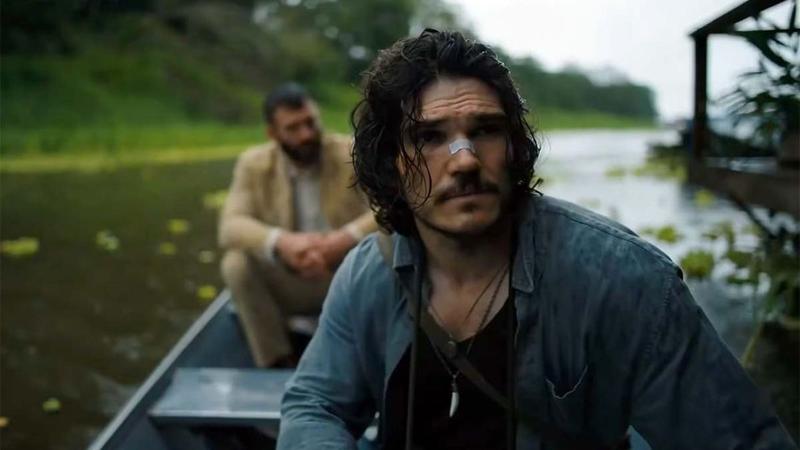
"I Think They Sort of Save Each Other..."
- The Direct: "From what we've seen of the film, it looks like your characters are going through quite intense internal journeys. Can you walk me through some of that and what your character is experiencing?"
Fra Fee: I play a character called Joe Wallace. The sort of narrative of the story is like he has been privy to these murders and the kidnapping of these children, and so he's going to help Ethan [played by Martin] to find them.
Joe has got his own sh*t going on in his own inner world. He's a war photographer and has documented all of these different conflicts across the world, and as a result of seeing some of the stuff, he has sort of desensitized himself, and he does that through drug abuse, but it was a really fascinating conundrum to figure out. You know, whether it was him sort of numbing himself in order to be okay, or actually he's trying to desperately feel something.
I think, ultimately, it's the relationship that he develops with Ethan on this road movie. He is sort of saved by him. I think they sort of save each other. But he was a fascinating man to try to unpeel.
The full red carpet interviews for The Last Photograph can be watched below: