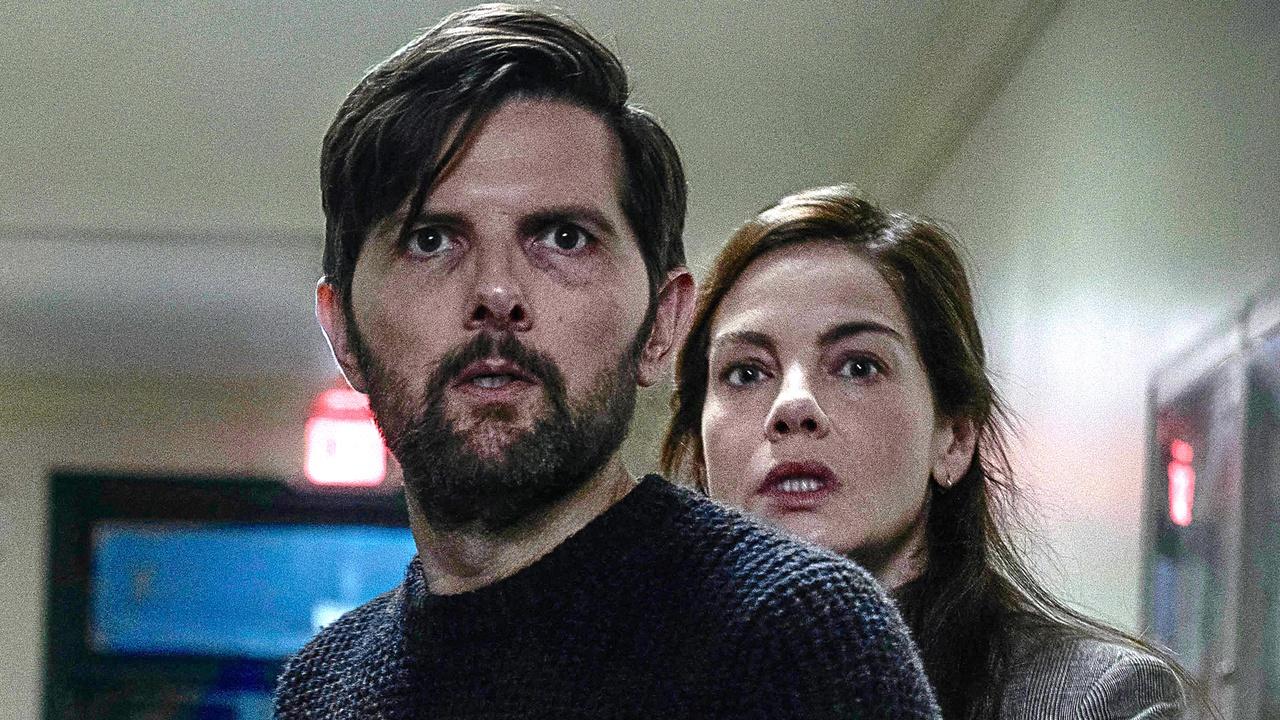
Everyone loves a good serial killer-focused horror-thriller movie, so it's great that Netflix has a new one for audiences to sink their teeth into: The Whisper Man. The movie, based on Alex Noth's 2019 book of the same name, follows Adam Scott's Tom Kennedy and his son Jake (Acston Luca Porto), who move to a different town in order to attempt a fresh start after the passing of Tom's wife.
Unfortunately for them, tragedy finds them once again when Jake is kidnapped by the notorious Whisper Man serial killer (played by Kingdom of the Planet of the Apes' Owen Teague), someone authorities thought they had locked behind bars in the form of Michael Keaton's Frank Carter. As it turns out, Carter's son is looking to make a name for himself and impress his father by reigniting his legacy.
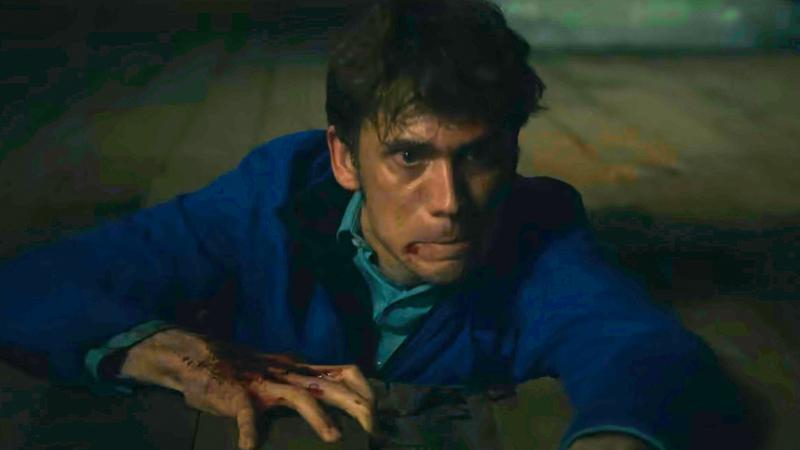
By the end of the movie, in a final confrontation between Owen Teague's Francis Jr., Tom's father, played by Robert DeNiro, is killed by the serial killer. Thankfully, Tom and Jake make it out alive thanks to Francis falling through the floorboards of their beat-up attic—leading to his subsequent arrest.
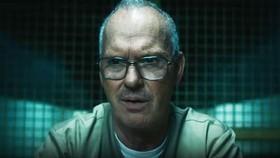
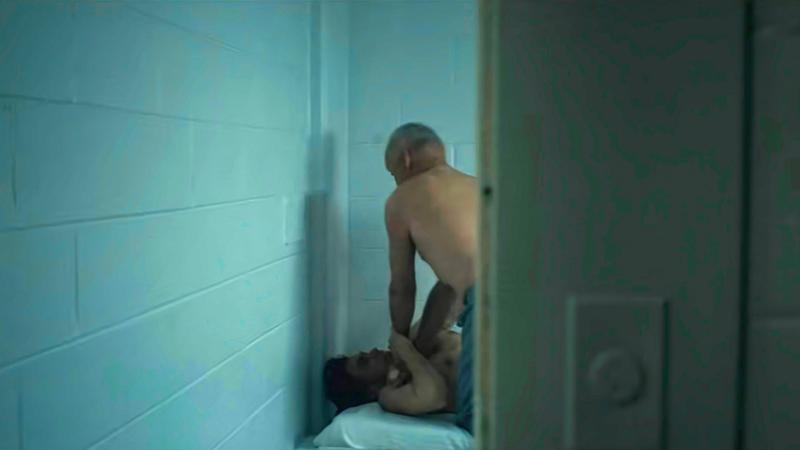
Francis Jr.'s final scene in the movie sees him finally reunite with his father in jail. However, the reunion doesn't quite go his way, as Frank Carter very quickly starts his Whisper Man ritual and chokes out his son. While it seems clear that Francis Jr. is no more, it's a death that audiences have never actually seen onscreen.
The Direct sat down with The Whisper Man star Owen Teague, who officially confirmed the fate of his sadistic serial killer, while also diving deep into what exactly was going on in his mind during those final moments.
The Whisper Man's Fate Revealed
"Michael [Keaton] Was Really Going Crazy."
- The Direct: "Your final scene with Michael Keaton, would you say that you're definitely dead after that?"
Owen Teague: Yeah, I'm done. Michael [Keaton] was really going crazy.
- The Direct: "Did Francis think that was gonna happen? I mean, it seems obvious to us as an audience, but was he really just completely in a different reality?"
Teague: Yeah, he did not see that coming. And part of the thing on the day that we were talking about with with me and James and Michael Keaton. Would Francis just do what what his dad tells him to do, and like take his shirt off and immediately obey when it's very clear that this is how his dad kills people, you know? And I was like, yeah, because it's basically like being-he's starstruck. Like, Frank Carter Sr. could say anything to this kid, and he would do it, like no matter how how insanely self-destructive it was. He's just under this guy's spell, so I don't think he sees it coming at all.
- The Direct: "In the finale of the movie, where they're catching [him]... What is going through his head? Did he expect everything to start falling apart as part of the journey to get to his dad, or was he not really accounting for that just yet?"
Teague: I don't know that he was accounting for that just yet. I do think that once he realizes how it's going, he's like, well, I'm gonna—That's what the switch flip is. It's just animal instinct and rage. And that was the fun thing with this character's, you know, he does have this like gentle kind of way of dealing with the kids. But then when it comes to everybody else, he's a monster and he's like actually filled with so much rage, so you get these two sides of him, which was really fun for me, you know.
The Whisper Man Star Owen Teague Breaks Down His Character
"We Wanted Him to Have This Really Gentle Side..."
- The Direct: "Well, jumping back to like day one, you know, you got the role, and now you're reading the script, and you're sitting down thinking about how you're going to bring this character to life. What is that first step for you? Where did you start in just figuring him out?"
Owen Teague: The first thing that, I mean, it was really James's sort of first instinct in even just bringing me in for it was was, yeah, this guy kills children and he's brutal and he gets pretty animalistic later in the film, I mean, the second half of my stuff is pretty crazy. But we wanted him to have this really gentle side where you could understand how the kids would go with him, and he's very caring in a weird kind of way.
"There was this element of gentle lovability that we wanted gim to have in the way that he related to the kids," Teague went on to explain.
Teague: He's like determined to give these kids a nice home until he kills them. So there was this element of gentle lovability that we wanted him to have in the way that he related to the kids, and that's really where I started with him, and from that came like, the way that he speaks and the voice and sort of the way he holds himself, and you know it all. But it all started from that very like caring beginning, which is really weird for a guy who kills children. But it made it even sicker in some ways. Like, he's really nice to them, you know?
- The Direct: "Just thinking about how the character just functions, what would you say is the core of him? What makes him tick? What's really that driving factor on a daily basis for him?"
Teague: "I think he has a lot of hope, especially with what doing these killings will will do for his relationship with his dad. You know, I mean the the kind of core of of Francis is that final scene that I have in the film where where you know dad comes in... Michael Keaton comes in to my to my cell and they're like, this is the moment I've been waiting for my entire life. Is my father to tell me that I did a good job, and that I've like carried on his legacy, and that he doesn't hate me anymore, and that I'm not weak, you know. And so like that was his whole desire.
Francis is driven by "this weird hope that [one day] he'll be accepted by his dead."
Teague: And so, you know, that's like the overarching feeling for Francis is this weird hope that [one day] he'll be accepted by his dad, and also that these kids will have—part of the justification for killing them for me was like this is so sick... But like he takes them home and he hopes that they're gonna like be good and like appreciate what he's doing and none of them really get it and so when he finds Jake...
Teague went on to explain that there was an underlying "weird logic" that they applied to the "insane things that Francis is doing."
Teague: There's this little scene that Jake and I have that Acston [Luca Porto] is so good and there's like a moment of Francis being like, 'Oh, you understand what I'm trying to do, and that's why he's gonna make him the next boy on the floor, you know. So like, there's this weird logic that we were able to apply to these completely insane things that Francis is doing.
- The Direct: "What do you feel was the most challenging aspect of his character for you to bring to the screen?"
Teague: I think trying to make people feel for him a little bit. You know, I mean, that's always kind of the the goal with characters like this, where like they do horrible things, but they're also victims of their own upbringing, and it's hard to get people to empathize with you when you kill children, naturally as it should be. But like that was sort of the main point of difficulty for me was like, how do I make this guy in basically one [or two] scene[s], how do I make people feel for him as much as I can while still being the monster at the end of the movie?
- The Direct: "Did you ever imagine, when you were figuring this character out, did you ever imagine what this character could have been without his trauma? Like what grace he might have embodied before his kind of harsh descent."
Teague: I mean, honestly, not really. I think because the descent began so young. Like, his dad was doing the original Whisper Man killings when he was like eight, or younger. I mean, I forget what my actual timeline was, but I worked it out, and he's really young when he starts witnessing this, so like he's kind of cooked from the beginning. I mean, I do think that in another reality, he would have been a really good teacher... we see him at the school a few times.
"He is really compassionate," he added, noting how Francis Jr. is "stuck in childhood a little bit as a result of the trauma:"
Teague: It actually—he would have been good at that because he is really compassionate, and I think he is sort of stuck in childhood a little bit as a result of the trauma. So, I think in another life, he actually would have been really good with kids. I think he is good with kids, I think that's the worst [of it]... He's really good with kids until he kills them. He's got that kind of empathy and that kind of like ability to connect with people who are really small.
The full interview can be seen below.