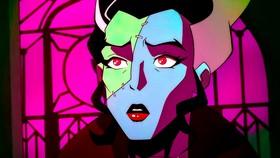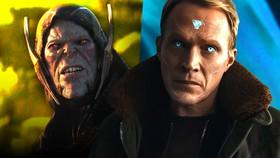
Marvel Studios confirmed its own Days of Future Past remake is releasing in 2026, and the story it takes inspiration from goes back 45 years. Days of Future Past started as a two-issue comic in 1981 and grew into one of the most retold tales in X-Men history, a time-travel saga that gave fans a ruined future and a desperate push to change it. Fox already brought it to the big screen once, and the 1990s X-Men cartoon told its own version years before that. Now the animated revival that picked up where that cartoon left off plans to revisit the concept on its own terms.
X-Men ’97 returns for Season 2 on July 1, and the premiere episode wears its inspiration in plain sight. The first episode is titled Days of Past Future, a straight flip of the classic story’s name. Its official synopsis sets up the season’s central problem, with Forge and Bishop launching a plan to rescue the X-Men after the team gets scattered across time.
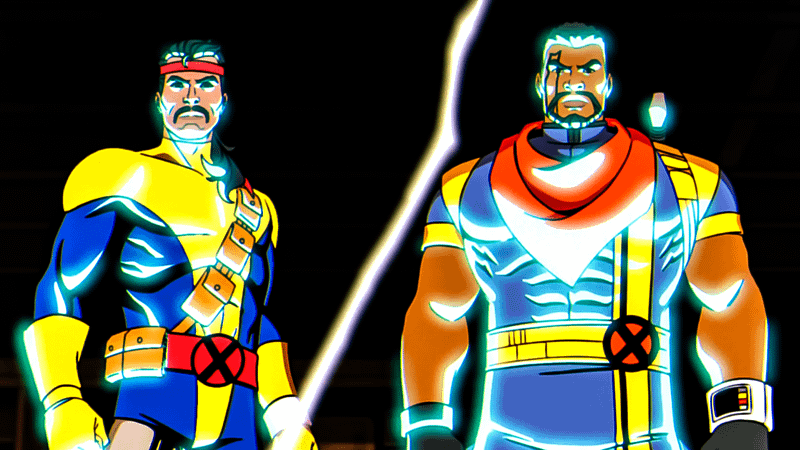
Season 1 ended with the X-Men flung apart in time, and Season 2 opens by checking in on the group stranded in the far future of 3960 A.D. Cyclops, Jean Grey, Storm, Wolverine, and Morph all turn up there, with Forge arriving to bring them home. The episode also reunites Cyclops and Jean with a young Nathan Summers, the boy who grows up to become Cable, giving the pair a rare chance to act as parents before the job of stopping Apocalypse falls on him.
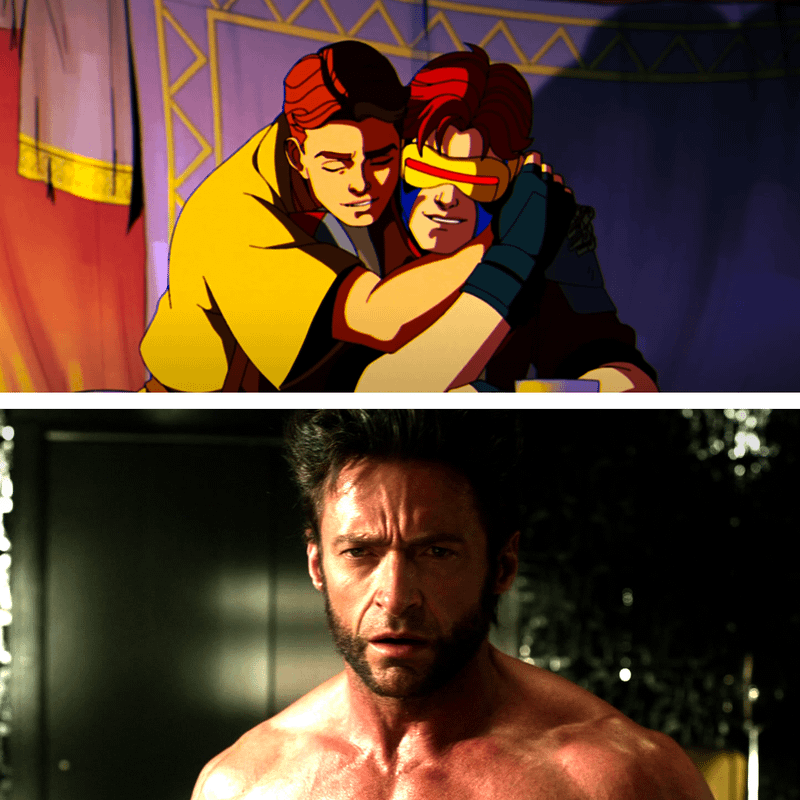
That storyline takes inspiration from The Adventures of Cyclops and Phoenix, a mid-90s miniseries about the couple raising Nathan in a far-off future. That is only one slice of a much bigger picture. A second group of X-Men, including Professor X, Magneto, Rogue, Nightcrawler, and Beast, ends up in Ancient Egypt in 3000 B.C., where they meet the mutant who later becomes Apocalypse. Back in the 1990s, the heroes left behind deal with fresh enemies and a rising wave of anti-mutant hate.
How X-Men ’97 Flips Days Of Future Past On Its Head
The title swap is the first clue that this season adapts the original idea in reverse. In both the comic and the movie, the X-Men send a single mind backward to stop one event and erase a dark future before it forms. Season 2 does the opposite. The team is already scattered, the damage already done, and the mission becomes bringing everyone home to the 1990s instead of rewriting a moment in the past.
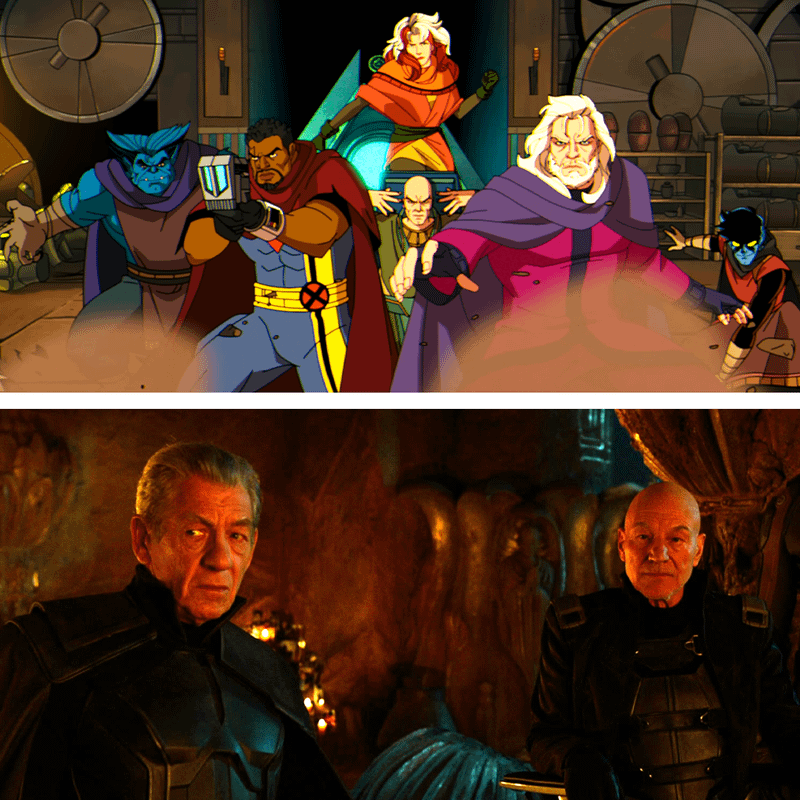
In the 1981 comic by Chris Claremont and John Byrne, Rachel Summers sends an older Kitty Pryde’s mind back into her younger self so she can warn the present-day team. The 2014 film, directed by Bryan Singer, ran the same play with Wolverine, whose healing factor allowed his mind to survive a trip to 1973. X-Men ’97 skips the mind-swap completely. Forge creates a time-travel device, and he and Bishop use it to reach their scattered teammates one era at a time.
The villains in the X-Men '97 Season 2 storyline are also different from the ones in the comic and film. Days of Future Past hung its dread on the Sentinels, the mutant-hunting machines that wiped out most of the X-Men. The film pinned that future on Bolivar Trask, the scientist whose death at Mystique’s hands, and her capture soon after, gave the government both the reason and the means to produce unstoppable Sentinels.
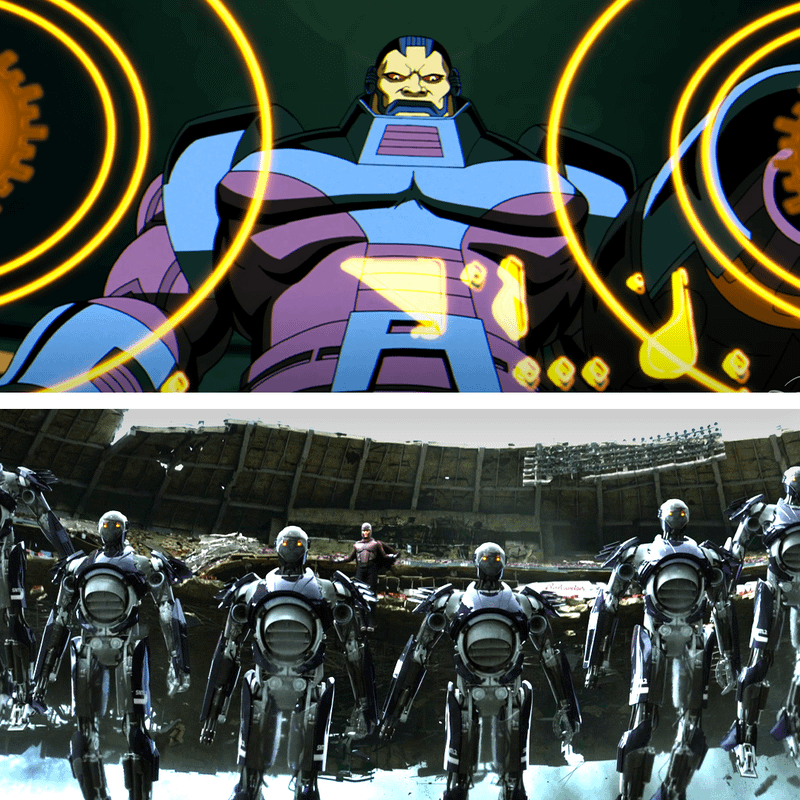
The comic also centered on Mystique’s Brotherhood of Evil Mutants and their plot to kill Senator Robert Kelly. Season 2 trades all of that for Apocalypse, and it positions him at two points in his long life, as the young En Sabah Nur in Ancient Egypt and as the immortal ruler of his future empire.
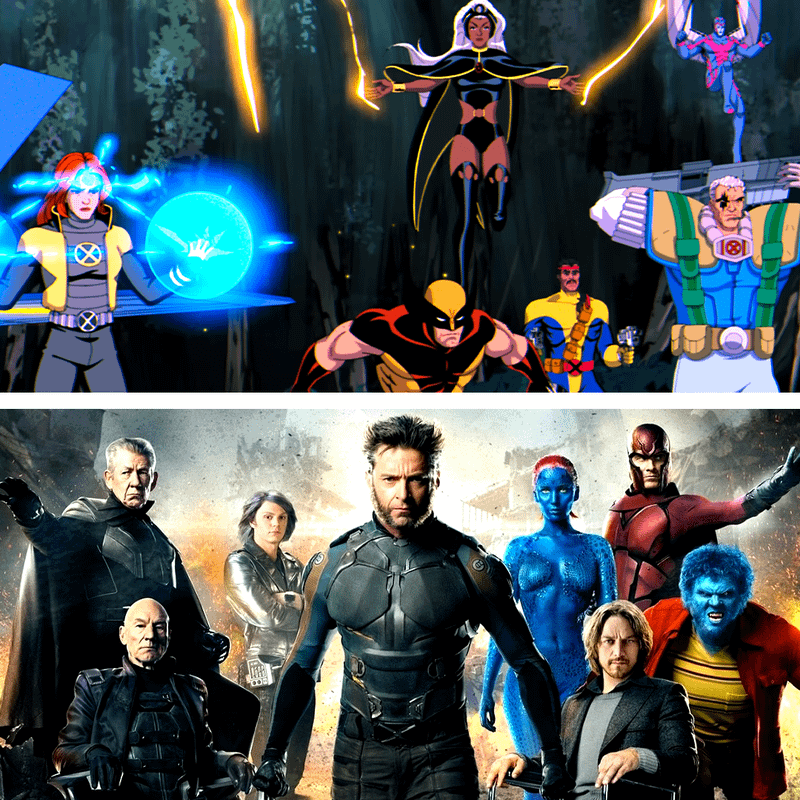
The scope is wider in X-Men '97 Season 2. The original comic and the 2014 film each bounced between just two timelines, a grim near-future and a single point in the past. In contrast, Season 2 splits its cast across three distinct eras, tracking separate teams in Ancient Egypt, the 1990s present, and the year 3960 A.D.
Many of the same characters appear across all of these adaptations, since Wolverine, Professor X, Magneto, Storm, and Bishop are vital to both the older versions and this new series. However, the animated revival brings along a much larger roster, giving significant screen time to Cyclops, Jean Grey, Nightcrawler, Beast, Rogue, and Jubilee.
The Original X-Men Animated Series Makes This a Full-Circle Moment
There is an extra layer here that longtime fans will appreciate. X-Men ’97 continues X-Men: The Animated Series, the 1990s show that already adapted Days of Future Past as a two-part story. That version made one big change of its own. Rather than Kitty Pryde, it gave the time-travel role to Bishop, and he traveled the whole way back in body instead of sending only his mind.
That history turns Season 2 into a neat callback. The same Bishop now leads the charge of a brand-new rescue through time, and the premiere borrows the old story’s name only to turn it inside out. The original show's take followed a hunt for a traitor whose actions doomed the future, and it eventually revealed Mystique posing as Gambit to frame the team for killing Senator Kelly. Season 2 keeps that time-jumping spirit while pointing it at a completely different problem.
Season 2's story is obviously the bigger swing here, and the direction it's taking makes it a lot more intriguing. Instead of a tight race to undo one assassination, the revival uses its scattered timeline to tell several stories at once and to dig into Apocalypse as a person rather than just a big bad who wants to cause destruction.
Watching Xavier and Magneto stand beside a young En Sabah Nur, fully aware of what he becomes, is a scenario that is going to test the moral compass of the X-Men. Marvel Studios is developing its own adaptation of Days of Future Past, and it looks beautiful. Instead of repeating the familiar comic and film storylines, the studio is taking a more sprawling, epic approach that centers on one of Marvel's greatest villains.


Geraldo Amartey is a writer at The Direct. He joined the team in 2025, bringing with him four years of experience covering entertainment news, pop culture, and fan-favorite franchises for sites like YEN, Briefly and Tuko.