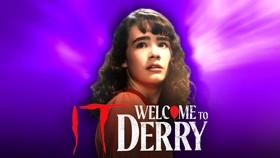
IT: Welcome to Derry Episode 6's flashback scenes revealed the first look at the Season 2 setting of HBO Max's prequel series. In January 2025, IT: Welcome to Derry creator Andy Muschietti revealed (via Radio TU) his three-season master plan for the series, confirming that the show will span three distinct periods in Pennywise's cycle, each moving backward in time. Season 1 is set during the 1962 cycle of the killer clown's reign of terror in Derry, Maine, which is 27 years before the events of the first film, IT: Chapter One. This meant that the show's sophomore run will be set in 1935.
While 1962 laid the groundwork for the Black Spot Massacre (which is bound to happen after Episode 6's cliffhanger ending), 1935 is a significant year for the IT franchise because this is where the citizens of Derry (manipulated by Pennywise) held a united front in killing criminals known as the Bradley Gang in broad daylight. The latest episode of IT: Welcome to Derry also confirmed another significant event that took place in 1935, and it involves the tragic twist about Ingrid Kersh's ties to the real Pennywise.
IT: Welcome to Derry's 1935 Scenes Serve as Stunning Preview of Season 2
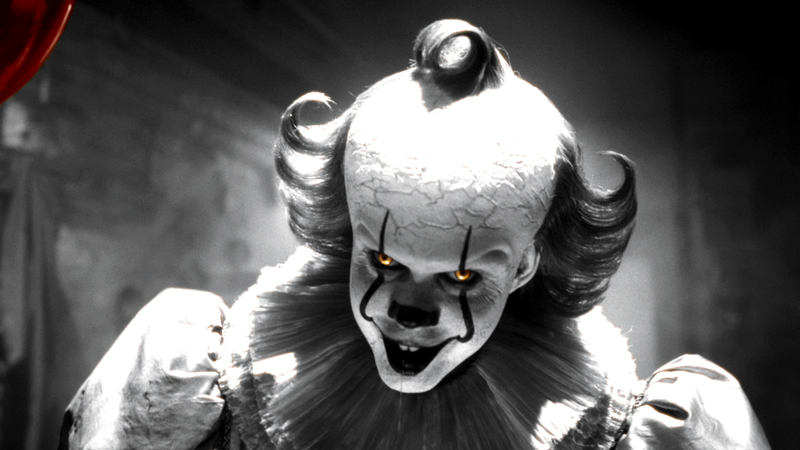
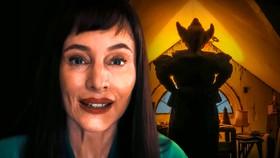
IT: Welcome to Derry Episode 6 featured a harrowing flashback to 1935 through the perspective of Ingrid Kersh (Madeline Stowe) and her first real encounter with the ancient evil, transformed as Pennywise the Dancing Clown.
The 1935 scenes were a preview of IT: Welcome to Derry Season 2, offering fans a stunning glimpse into how the series will appear in that specific time period. Season 2 has yet to be greenlit, but it seems likely due to the show's high viewership and popularity. The show's sophomore run will undoubtedly still be in color, but some scenes could be in black and white to emphasize the terror of Pennywise's attack.
In the Inside Look at IT: Welcome to Derry Episode 6, released by HBO Max, director James Travis revealed what made the 1935 sequence stand out, noting that it was "a great opportunity to shift the style of the show" by way of moving the camera less:
"The 1935 sequence was a great opportunity to shift the style of the show. The camera is often very active in the 1960s story. It felt exciting to move the camera less, to make it about stationary frames that tell the story in a heightened way that references film history. We weren’t going for sheer realism in this sequence. There’s an air of melodrama to it that I thought was appropriate coming from Ingrid’s perspective."
The director's comments suggested that the sequences set in 1935 will mostly be shot in stationary frames, meaning that Pennywise's haunting attack will be more of a slow burn rather than an all-out torment that the kids experienced in 1962.
The black and white scenes were showcased during Ingrid Kersh's early days in Juniper Hill Asylum (the same facility where Lilly Bainbridge was sent to after her father's accidental death). The flashback offered a glimpse of a young Ingrid who began hearing kids claim that a clown named Pennywise was luring them in, trying to show his "carnival."
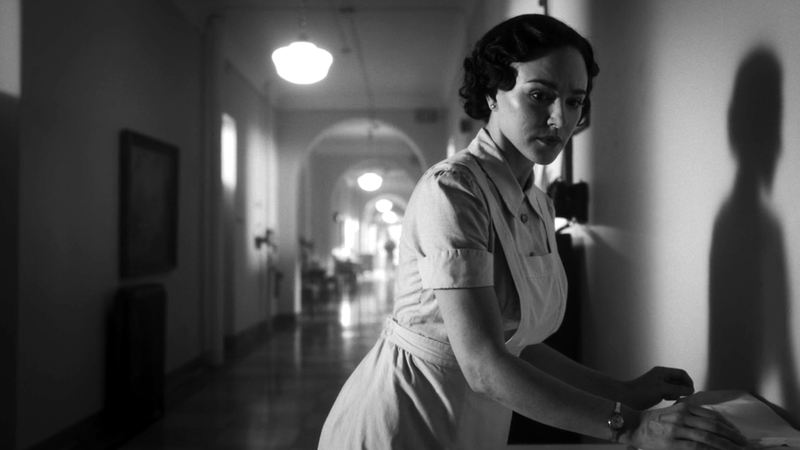
Given that Ingrid is confirmed to be the daughter of Bob Gray (Pennywise's human form), this led her to believe that her father was still alive and had been transformed or corrupted by an unknown entity. Ingrid's delusion led to the death of a child named Mabel. While she tried to save her, it was too late because Pennywise already took control of the situation.
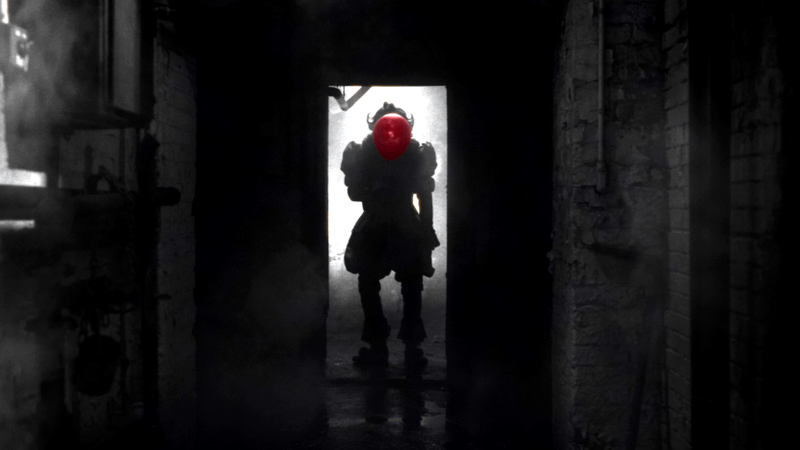
What made these black and white scenes more harrowing in IT: Welcome to Derry is that it made Pennywise and all his other forms stand out even more, with the scenes emphasizing the red balloon and his creepy, yellow eyes.
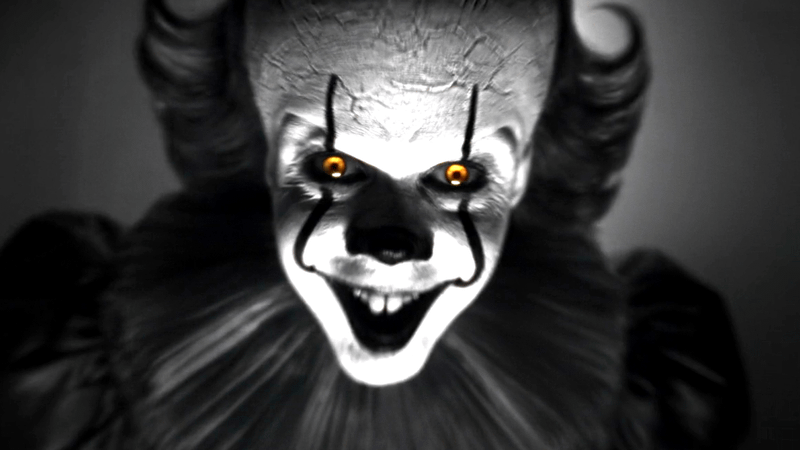
It also effectively transforms Pennywise into something more visceral and psychologically invasive. This creature stalks its prey with ease due to the heightened shadows and contrast of a black-and-white sequence. If anything, Pennywise became more daunting.
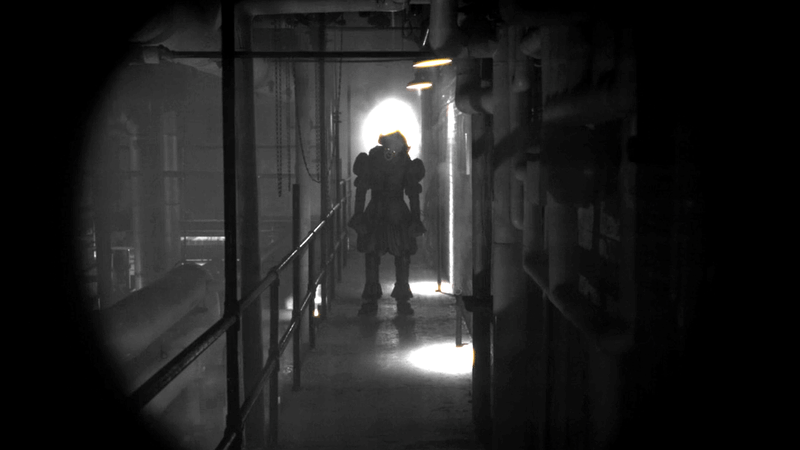
The black and white scenes also desaturate Pennywise's "fun" facade, as the sequences portray him more as a monster or a specter from Derry's dark history.
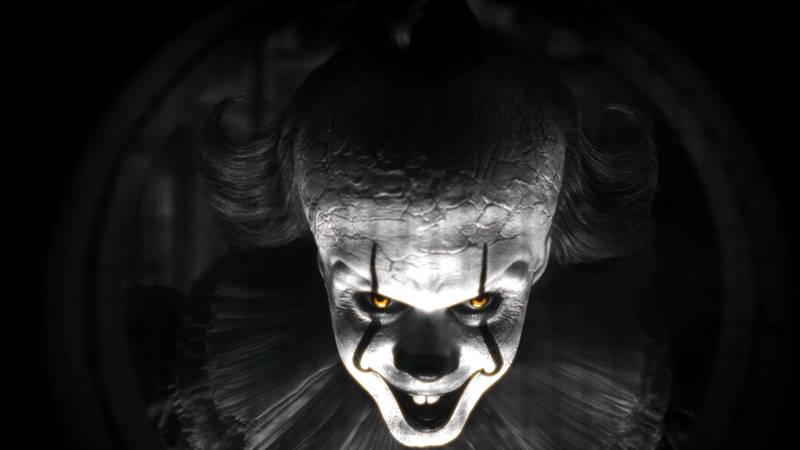
The monochromatic aesthetic also incorporated a flashback vibe by adding a human element, showcasing the terror-infused false reunion between Bob Gray and Ingrid.
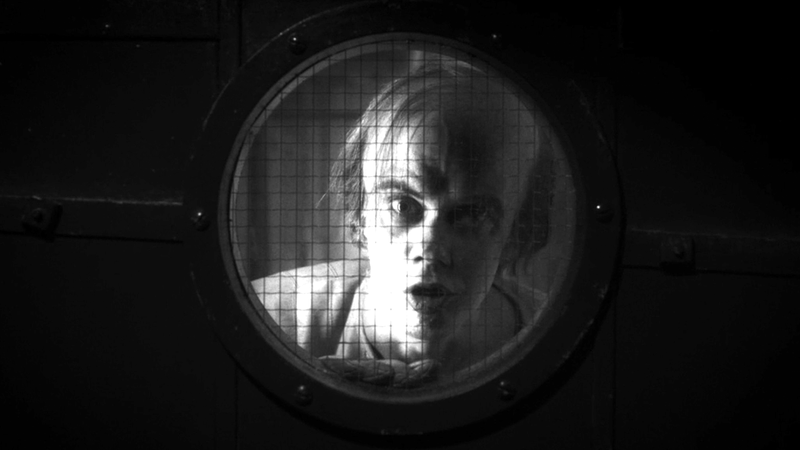
The monochromatic approach further amplified Pennywise's scare tactic, making him more insidious and a larger threat that can manipulate a dreaded soul like Ingrid to assist him in his reign of terror.
What the 1935 Scenes in 'Welcome to Derry' Tell Viewers About Season 2
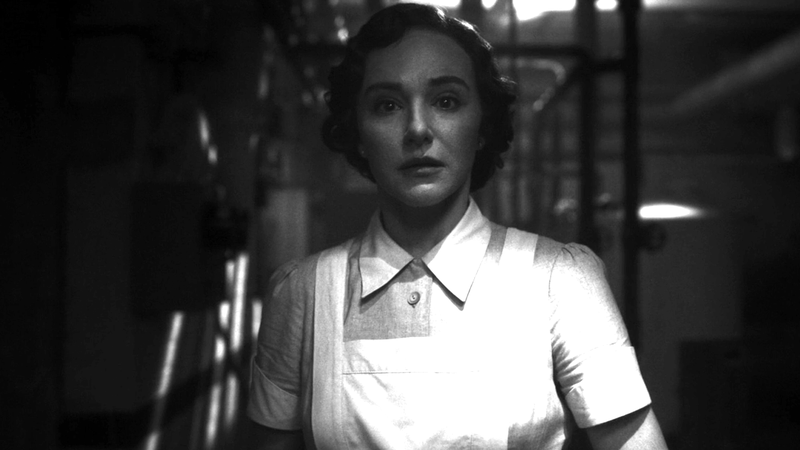
The 1935 flashback scenes in IT: Welcome to Derry Episode 6 not only provided a glimpse of the show's potential for Season 2, but they also deliberately showed that these sequences were primed to be the main tool in highlighting Pennywise's reign of terror.
The inclusion of the black and white scenes would effectively make IT: Welcome to Derry Season 2 stand out from Season 1. Aside from the diferent aesthetic in showing off Pennywise's kills, what makes a possible Season 2 unique is the fact that Pennywise will have an assistant in the form of Ingrid Kersh.
Pennywise poses as Bob Gray to weaponize and exploit Ingrid's longing for her father, making her a willing participant in the ancient evil's torment of Derry, Maine. This would also mark the first time that a young woman is open to helping Pennywise achieve its goals of consuming as many young children as possible.
All in all, the black and white aesthetic has a deeper meaning because it cemented Ingrid's fall from grace as she succumbed to a reality where sacrificing children will eventually awaken her father's lost humanity.