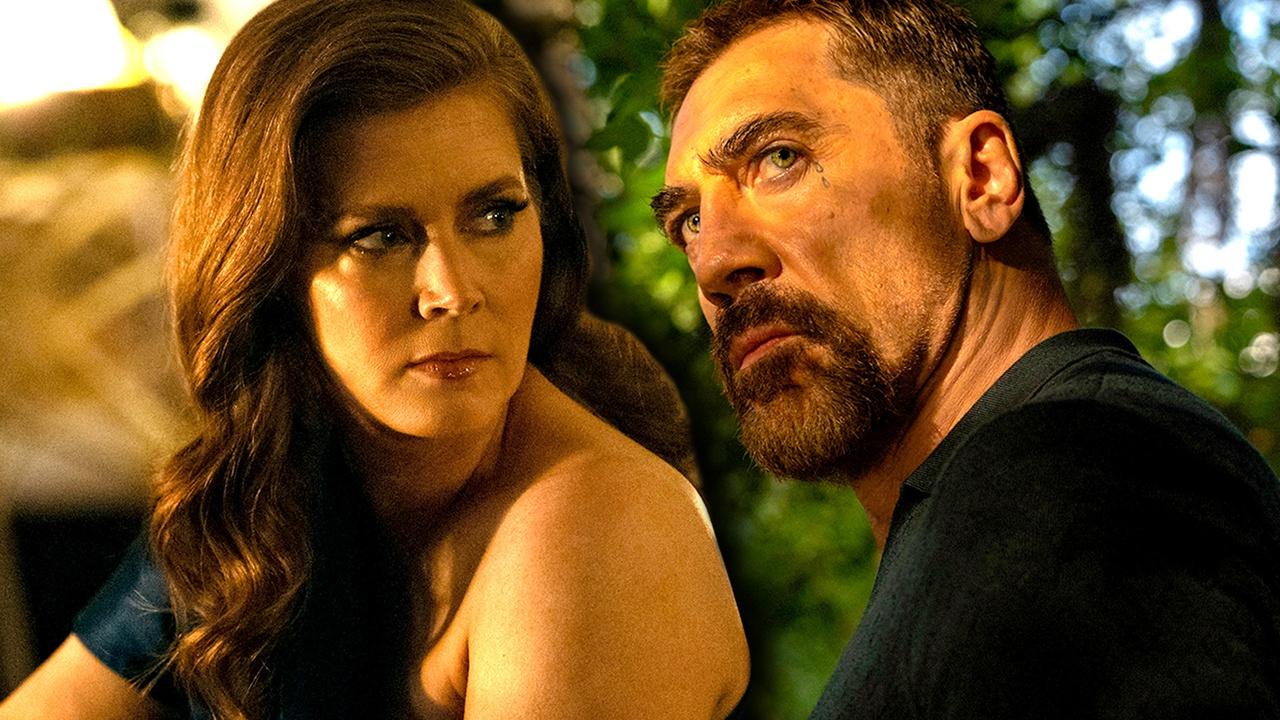
On June 5, Apple TV is bringing audiences the third version of Cape Fear, this time for television. The first two times were on the big screen, for outings in 1962 and 1991. Its plot follows Max Cady (Dune's Javier Bardem), a former convict released from prison after being exonerated by evidence proving he was innocent all along. The moment he gets out, he sets his sights on Amy Adams and Patrick Wilson's Anna and Tom Bowden, two lawyers responsible for his incarnation, and their children (played by Lily Collias and Joe Anders), to exact his revenge.
The Cape Fear series was created by showrunner Nick Antosca, known for his horror stories, including Channel Zero, Brand New Cherry, and Antlers. The Direct sat down with Antosca to discuss his ability to bewilder audiences, why a third telling of this story was needed, and how the show aims to avoid the trope of terrible, dumb teenagers.
For more horror from Apple TV, check out Widows Bay, which is getting rave reviews from critics and audiences.
Avoiding the Trope of Dumb Rebellious Teenagers in Cape Fear
They Need to "Come From a Place of Emotional Authenticity."
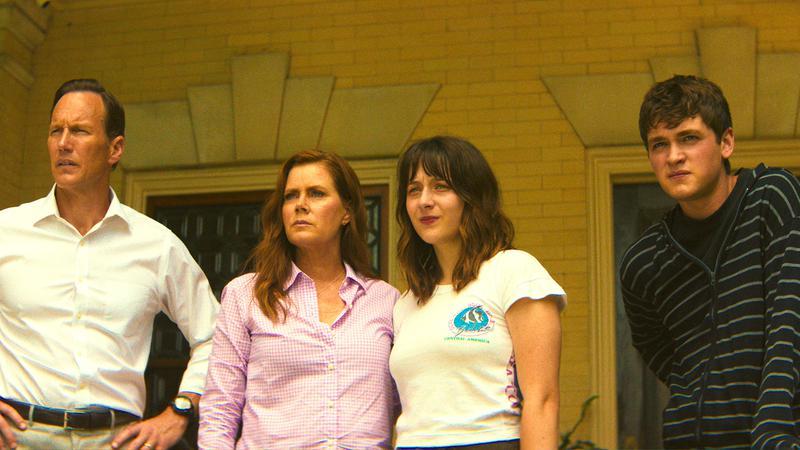
- The Direct: "There is a trope in media that is often a source of frustration with audiences, and that's just the concept of kind of stupid rebellious young teenage type characters, and this show has two rebellious young characters. I'm sure you're aware of those kinds of sentiments and those kinds of pitfalls and that kind of storytelling. So, how do you take that into consideration when crafting this story, knowing that you have two characters that could fit in that camp, and you [still] want to keep people engaged, and you don't want to fall into those pitfalls?"
Nick Antosca: We try to, with all characters, but certainly with teenage characters, have them come from a place of emotional authenticity. And also it's in the casting, you try and find, you know, actors who feel like the memory you have of being a teenager, and the frustration and hard-headedness and willpower that you had as a teenager to find out why the adults are lying to you. For example, and with our teenage cast, and Lily [Collias] and Joe [Anders], really just fell in love with them as actors from the first time I saw them. You know, Joe auditioned for us, but Lily did too. But I had seen her in 'Good One,' the Sundance film, which I thought she was so amazing and so present in. And yeah, I mean, teenagers are rebellious and difficult, too.
Why Cape Fear Needed To Be Told a Third Time
"I Think Every Version of Cape Fear Reflects the Time In Which It Was Made."
- The Direct: "This is obviously the third [take on] Cape Fear. In your own words, why do you feel like this version needed to be told, and what do you feel truly makes this an authentic, unique experience compared to the last two times audiences have seen this story?"
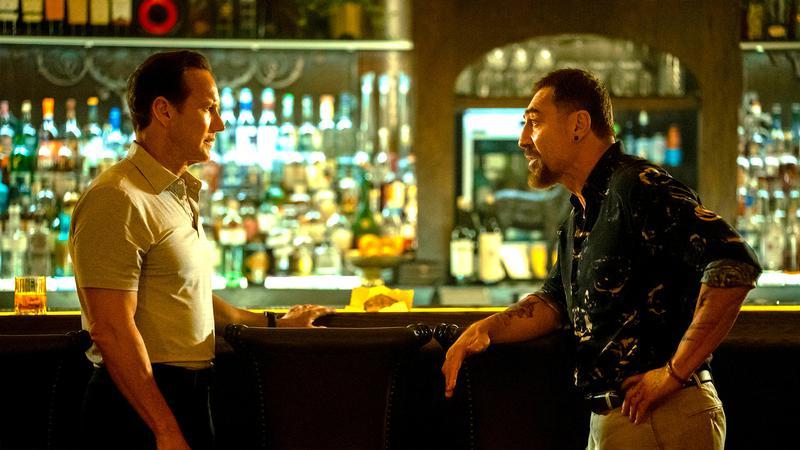
Nick Antosca: Well, I think every version of 'Cape Fear' reflects the time in which it was made. It's a really unique property in that sense, because it's like a fable, the concept, the architecture of it is so elemental. A perfect all-American family is terrorized by a monster, and yet the 60s version and the 90s version are very different, and they talk about different fears and different ideas of family and different ideas about justice system, and I became very interested, because I love those films in what a present day version of 'Cape Fear' would feel like, and how it would express the fears and values of the 2020s which I think are quite different at this point. We live in a time of paranoia and uncertainty about the truth, and victims disguised as villains, and villains disguised as victims, and I thought it would be really interesting to take this kind of almost fable-like story and explore what it is in 2020, especially with storytelling, real estate, and TV.
Nick Antosca on His Ability to Perfectly Bewilder Audiences
"I Like to Surprise Myself on the Page..."
- The Direct: "One of my favorite elements of your work is just how often I find myself saying, 'What the ****?' quite often. How do you approach kind of bewildering the audience like that?"
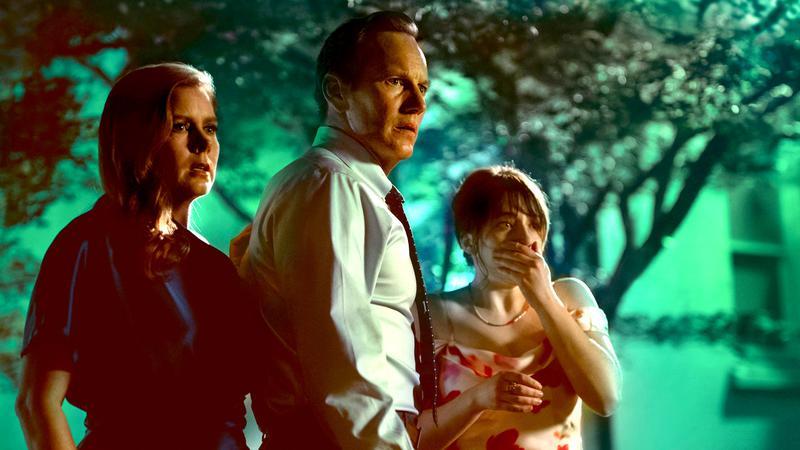
Nick Antosca: Well, you know, I literally write in the script sometimes, 'what the **** happened?' So there are those moments in my shows I'm aware of. How do I approach that? It depends. I like to surprise myself on the page, and when we're in a writer's room, we like to surprise ourselves, and there are always moments where somebody pitches something out of left field, and it's like, yeah, that would be crazy, and then it's like, wait, we should do that. Actually, that came from an interesting place, and sometimes the offhand, strange things that you don't imagine are for public consumption are actually the things that are most authentic, and that's what drives the story to unexpected places sometimes.
- The Direct: "The show asks so many questions, so the audience is always trying to find their footing. Can you talk about how you approach asking so many questions, [and] giving so few answers, without frustrating the audiences to the point of no return?"
Antosca: It's just trial and error. We spend a lot of time in the writer's room, kind of like tossing ideas around, like, playing with them, like wet clay, and in fact, usually when I give scripts to the actors, I'll say, like, "Hey, this is still wet clay, like, we're still playing with it, so we work on it, you know, in the page on set, and in the edit to find what is the balance of tension and mystery and satisfaction and emotional and psychological authenticity that will keep you going, what the fuck, without losing you, so you know you're only trying to like walk the tight rope.
Gaslighting the Characters in Cape Fear & the Audience Themselves
"The Audience Is Going to Go on a Journey Here..."
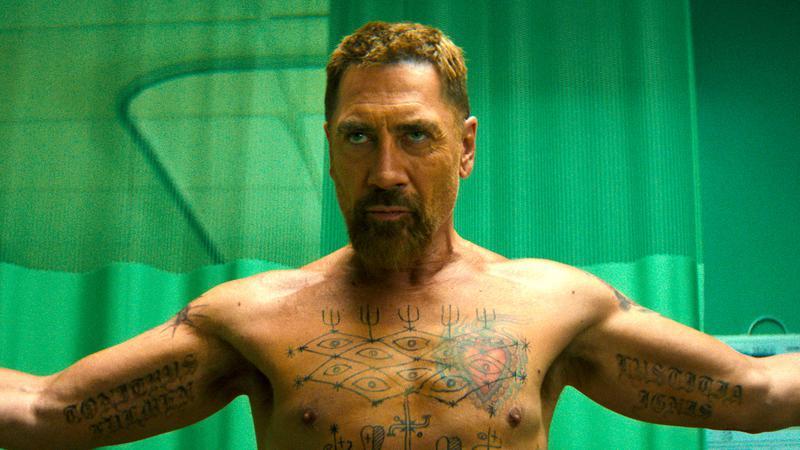
- The Direct: "Max Cady is clearly not a good guy, but you know, alongside the show's main characters, even the audiences are being gaslit into questioning themselves and our thoughts on him. Can you talk a little bit about that mirrored experience that the audience is having alongside the main characters they're watching on the screen?"
Nick Antosca: The audience is going to go on a journey here, in terms of their sympathies, in terms of the questions that they're asking about the characters, about the world, and the history, and the truth. Yeah, you know, that's part of what is so delicious for me about TV storytelling. You can play with the truth for a little while, and you can build tension, you can escalate, you can misdirect, and I love it as a viewer when I'm going on that journey.
Our entire interview with Cape Fear showrunner Nick Antosca can be viewed below.