Pixar officially revealed the first look at its new animation style in 2027, showcasing a stunning blend of its hybrid style to make its movies stand out. Pixar's animation style has evolved from pioneering fully computer-generated imagery with a plastic-like aesthetic to highly sophisticated and artistic hybrid approaches. As a result, the studio has consistently elevated its craft by treating each film as an artistic leap forward, leading to the reinvention of its animation style that began with Toy Story and evolved in other entries like Elemental in 2023.
Pixar's Gatto marks a bold stylistic departure for the studio, with the new animation style front and center in its first-ever teaser. Pixar effectively blends hand-painted 2D textures with modern 3D CGI depth, lighting, and animation, creating a textured, artistic feel inspired by classic paintings. While this is clearly a reinvention, Pixar's signature character expressiveness and world-building aesthetic remain.
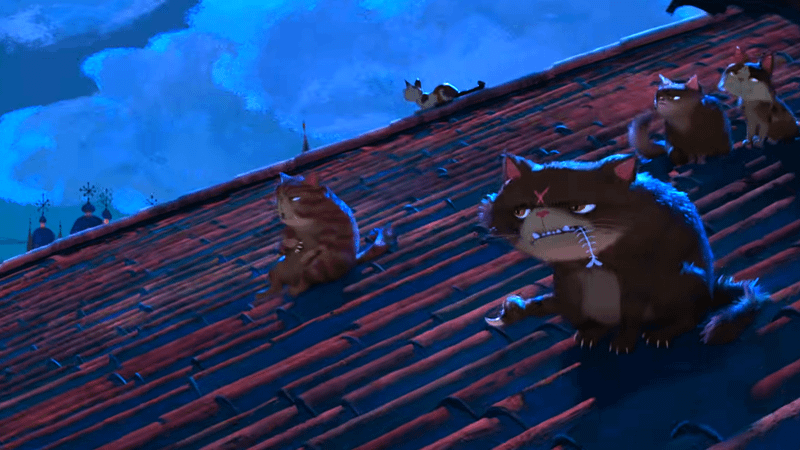
The teaser managed to showcase how different this animation style. The Venice environments look straight out of a painting. The canals, roof, buildings, bridges, and gondolas have visible brushwork, while light and water have an almost watercolor quality.
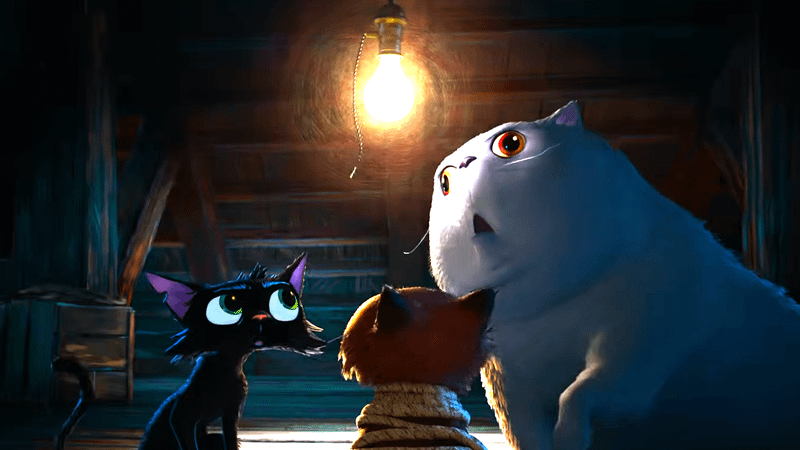
The characters, most notably Nero and the other felines, feature stylized fur with visible hand-painted texture strokes. This approach makes the fur feel alive while embracing Gatto's artistic intent.
The interrogation scene stands out as one of the teaser's highlights. Under a single dangling bulb in a dimly lit room, the high-contrast illumination casts deep, painterly shadows across the characters' faces, creating tension while emphasizing the visible brushstrokes on their fur and in the wooden surroundings.
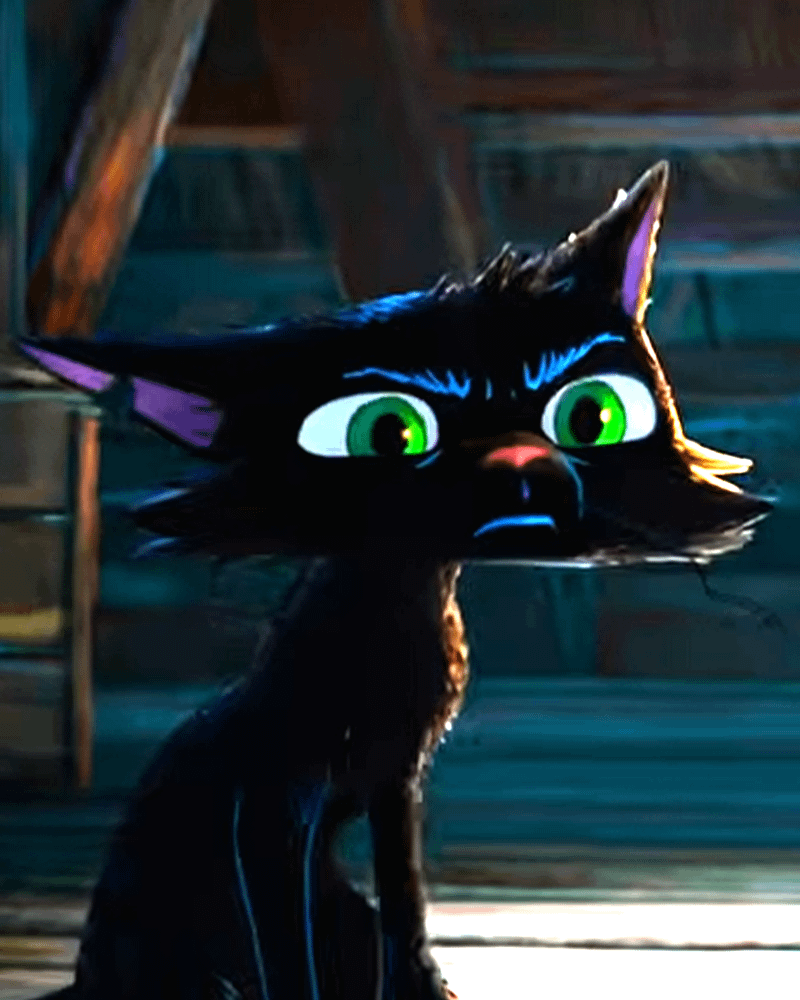
The style doesn't just look fascinating; it actively enhances the mobster-comedy tone while pushing the new animation style to the forefront as a potential selling point for viewers to check out Gatto.
Pixar set designer Gaston Ugarte confirmed that the initial first-look art at Gatto, as first shown at the 2025 Annecy International Animated Film Festival, represented the movie's final visual style. By completely abandoning their beloved 30-year animation style, Pixar marks the start of a brand-new era for their movies.
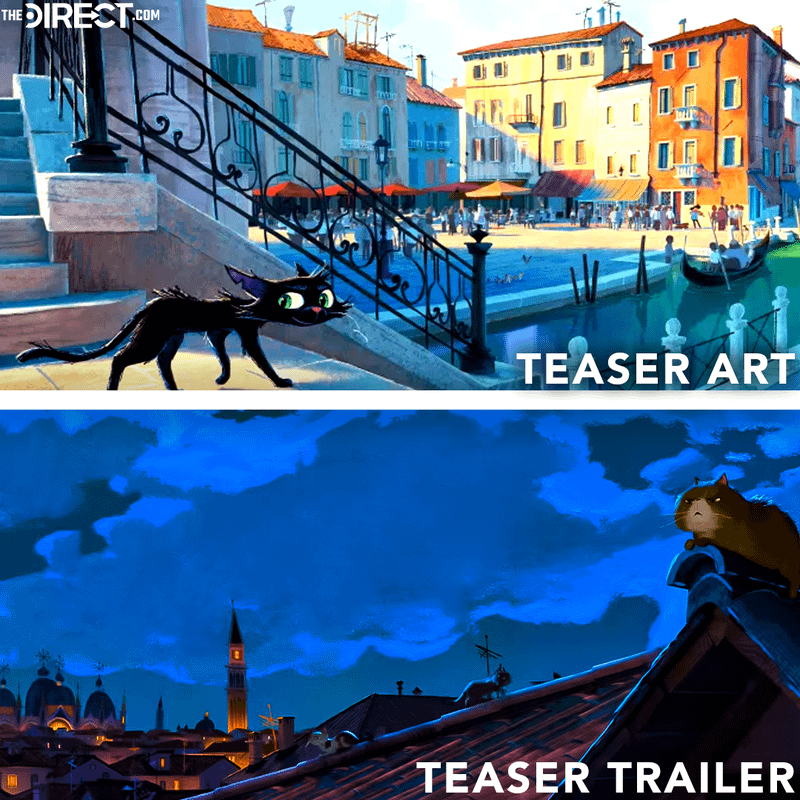
The Gatto teaser directly translates the first-look art into motion, with the brushstroke textures holding up beautifully without feeling like mere overlays. It has more life and vibrant charm than the static reveal.
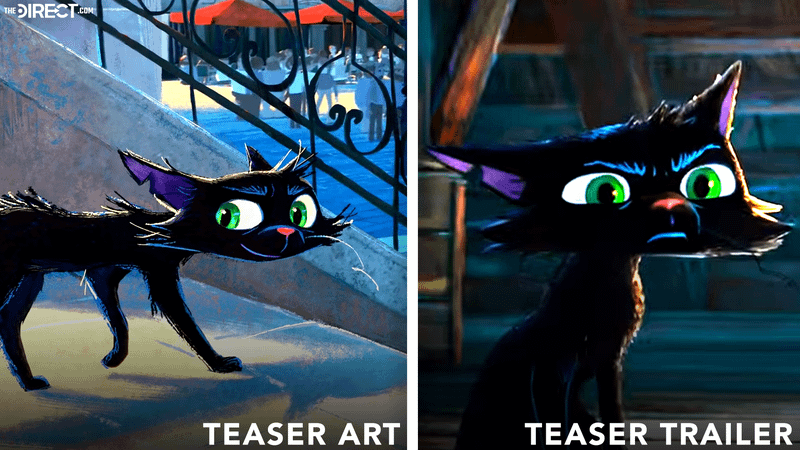
Directed by Enrico Casarosa, Pixar's Gatto follows a black cat named Nero whose life is intertwined with a mob boss named Rocco. The story sees Nero begin to question whether he's lived the right life, leading him to decide he wants to spend the rest of his life finding his purpose.
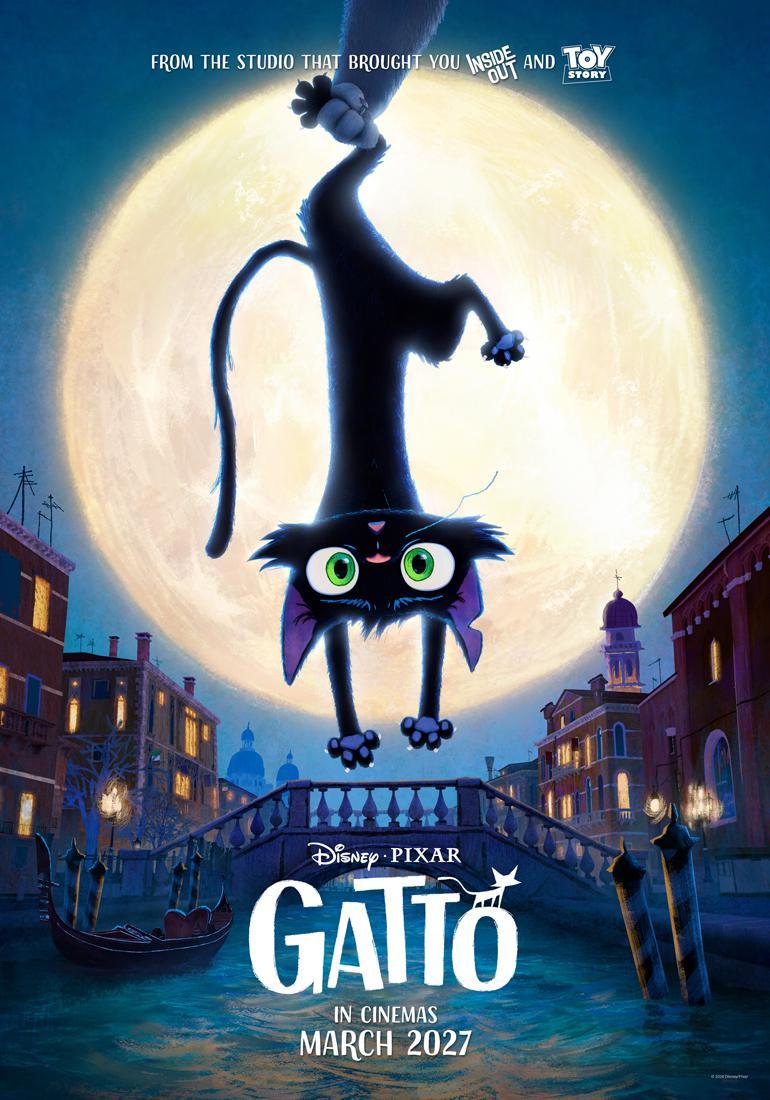
While the full cast of Gatto has yet to be revealed, Pixar confirmed that MCU star Mark Ruffalo will voice Nero, while Laurence Fishburne will bring the mob boss cat Rocco to life. Pixar's Gatto will release in theaters on March 5, 2027.
Pixar's New Animation Style In Gatto Has a Clever Double Meaning
Pixar's living painting style for Gatto has a clever double meaning tied to the film's visuals and main setting.
Aside from the fact that the 2027 movie's animation style brings to life a world that literally looks like a painting, the deeper meaning behind this stylistic choice is tied to Venice as the core location.
Venice is a city full of layered history, vibrant colors, and timeless beauty, and this animation style is deliberately designed to embody the painterly essence of the Italian capital, showcasing the city as more than just a backdrop; instead, it delivers a message that the movie looks exactly how Venice feels.
This approach elevates the "living painting" technique from a cool visual experiment to a thoughtful, immersive love letter to Italian art and culture, turning everything into something more meaningful.
This new animation technique marks a fresh evolution for Pixar, and Gatto represents the start not just of compelling stories, but of an entire new chapter in the studio's visual language.