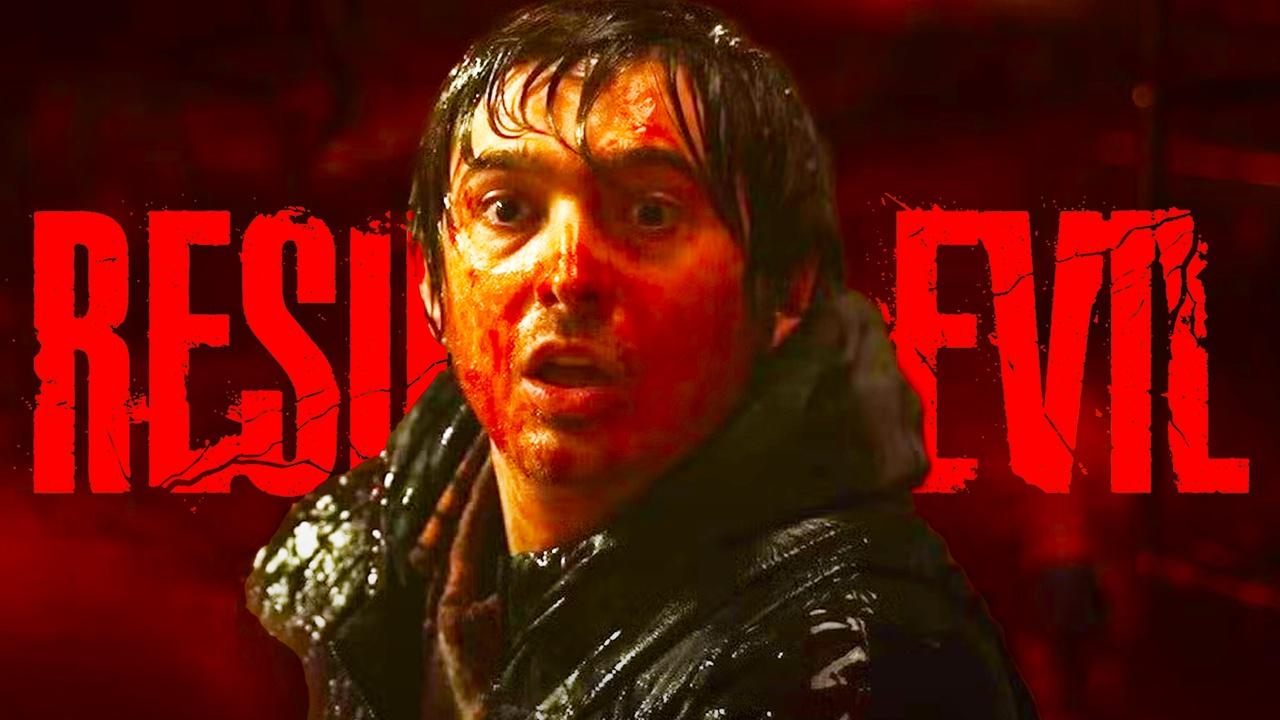
It's Zach Cregger's post-apocalyptic wasteland, and we're just living in it. Following up on 2022's hit Barbarian and 2024's Oscar-winning horror-comedy Weapons, Resident Evil sees Cregger's first (and possibly last) turn helming an established horror IP. The Resident Evil horror game franchise is one of the few series that has had no dearth of cinematic adaptations. There have been a whopping seven Resident Evil films, including Paul W.S. Anderson's first in 2002, and the first six following Milla Jovovich's Alice as she seeks to destroy the undead and the Umbrella Corporation with it.
Sony tried to reboot the franchise with Johannes Roberts' Resident Evil: Welcome to Raccoon City, which centers its adaptation on the first two games. While it was lauded for its faithfulness to the games, it suffered in critical reception and, while profitable, was a far cry from the success story the studio had hoped for. Planned sequels failed to materialize, and it was announced that Cregger was eyed for a re-reboot in 2024 following his Barbarian success.
While Resident Evil eschews the formal chapter separations that have become his horror calling card, he maintains the careful balance between humor and scares that make these prior films stand out. It delivers just about everything: the dog from The Thing, a sewer-Harkonnen, the best music video for "It's Raining Men" ever, and dangerous levels of medical malpractice wrapped up with a nice bow. It's a scary, ick-inducing but often funny horror outing that will have audiences jumping and squirming for one of the year's best theater experiences.
Austin Abrams Is the Perfect Protagonist
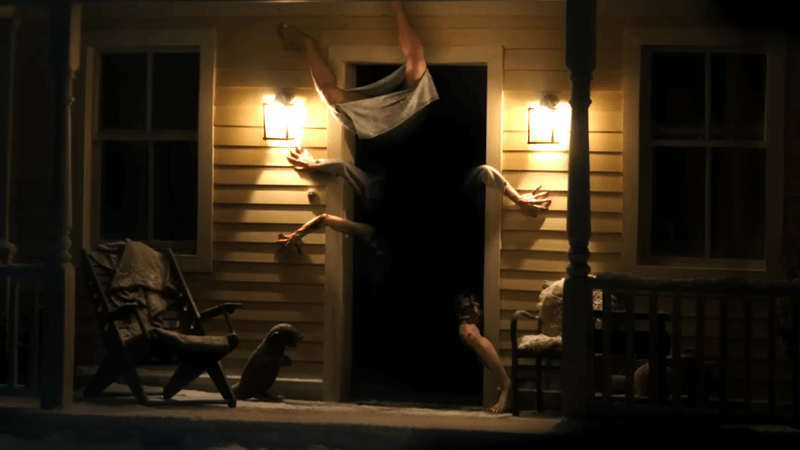
Zach Cregger's Resident Evil takes place alongside the events of Resident Evil 2, following medical courier Bryan (Austin Abrams), a character independent of the game franchise's well-known gallery of heroes. He's given a last-minute medical package to deliver to Raccoon City General through snowy mountains, which goes awry when he hits someone emerging suddenly from the forest. Let's just say she's not what she seems, and his troubles compound.
Abrams has seemingly become Cregger's muse, having been a standout character in the excellent Weapons, and his Resident Evil performance makes it clear why. Abrams plays a good-natured yet unreliable protagonist, with loads of cynical, relatable charm that draws the audience into a swiftly surreal world. His relatability and flawless comedic delivery anchor the tale well.
While Byran anchors every scene of the film (much like any survival horror protagonist), everyone nails their supporting roles. Kali Reis is formidable as the no-nonsense Umbrella soldier, while Paul Walter Hauser's a riot as the scientist in her charge (desperately attempting to give off 'agent' vibes). When Zach Cherry arrives on-screen, he brings a Severance-esque energy that brings the finale home.
Zach Cregger Replicates the Video Game Experience Well
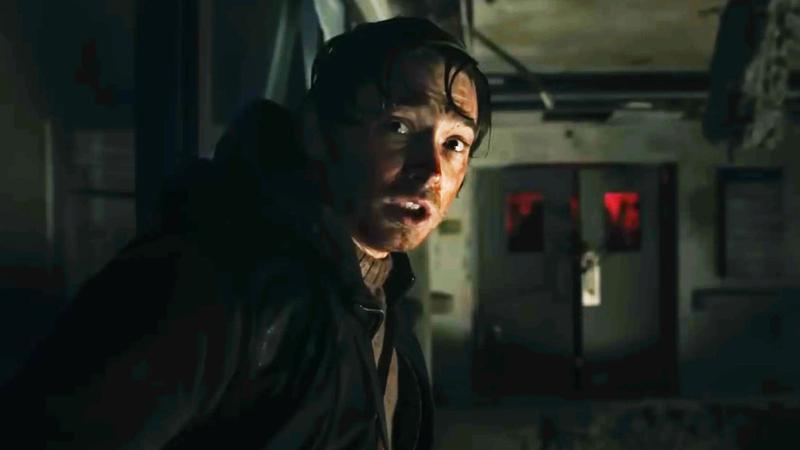
While some Resident Evil fans have taken issue with Cregger's choice to back away from traditional franchise protagonists, it's a smart decision. It allows him to play with tone, balancing a carefully calibrated amount of humor and adding realism through the authenticity Abrams brings to his reactions. Bryan, being a neophyte to guns and combat, also amplifies careful protagonist development — he gradually learns what he's doing in this world, just as a player does when picking up the controller for a new game. It works.
The tale is also structured like a video game; the fish-out-of-water protagonist organically acquires new weapons as his enemies and challenges grow in difficulty. Films with explicit video-game-like structures don't always work; for every brilliant Scott Pilgrim vs. the World, there's a lazy American Sniper. But Cregger's careful pacing meets Abrams' relatability, effectively selling the feeling of a survival-horror game. Combined with solid body horror execution and clear inspiration from icons of the genre (The Thing, anyone?), it's an inspired execution.
The script does have slight problems. Some developed character issues and plot threads are left completely hanging or otherwise unfinished. A few interesting set-ups (like the Maternity Ward) are passed through too quickly, and the ending comes altogether too abruptly. That said, Cregger clearly internalized the classic Hollywood adage to get into a scene late and leave early, and it makes for a journey that breezes by overall.
The new Resident Evil drops the pretense of a direct game adaptation to more flexibly translate the video game experience to the big screen, and the gambit succeeds. A light amount of comedic levity, expertly introduced by Abrams, doesn't distract as much as it helps create a relatable protagonist. The scares are scary, and the creature designs are horrific and memorable. It's a winner without hesitation.
Final Rating: 8/10
Resident Evil invades theaters September 18, 2026.